




_400x400.webp "Gehölztrends 2025: Kaiser-Linde, Vogelkirsche, Hainbuche und mehr")




 Contact
Fruit trees are trendy!

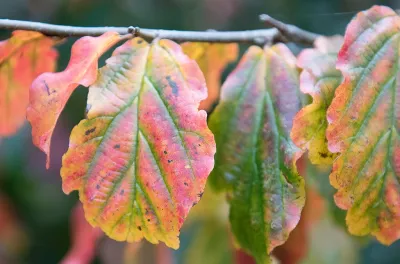
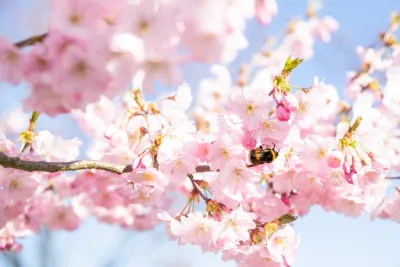
“Fruit trees are multifunctional: They not only give delicious fruits, but also decorate the garden with their sometimes bizarre growth, their colourful bloom, and bright colours of autumn.”
Kerstin Abicht, Digital Marketing, Lorenz von Ehren Nursery
What will we harvest today?
This is exactly the question – or maybe it isn’t. Because if you plan smartly, you can harvest fresh fruit over a long time. The fruit tree season begins with cherries in July followed by walnuts (Juglans regia) and pears, and ends with storable apples to be harvested in November.
Fruit to eat right off the tree, or for baking trays, pots and juicers, or what else is needed to process the fruits.
Small is still quite big!
And please note: As a rule, summer-green trees do not grow very large – up to a maximum of 9 to 15 meters, and in a skilful gardener’s hands, even 50-year-old trees can be kept at a height of three to four meters.
Good to know for the owners of small gardens: low height does not necessarily mean less yield. Fruit is also easier to harvest at lower heights. And if there is ever fallen fruit, then simply consider collecting it as part of fitness in the countryside. With this we have so returned to the health effects of fruit trees >.
A few suggestions from the nursery
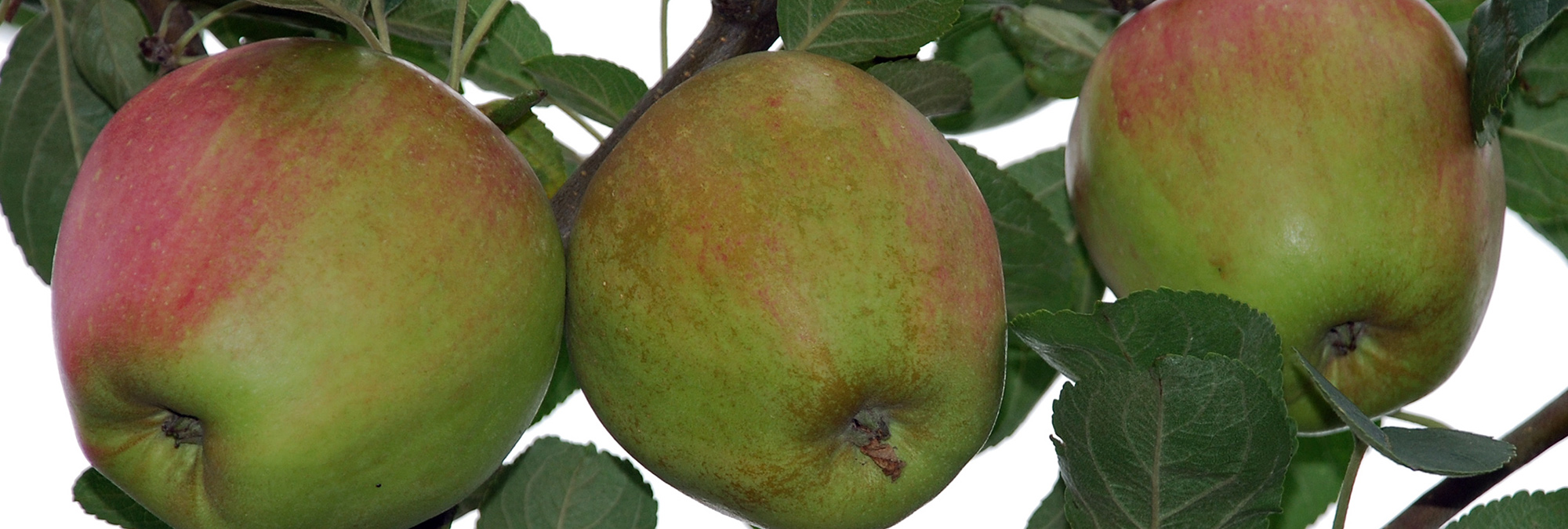
Apple - Malus domestica 'Alkmene'
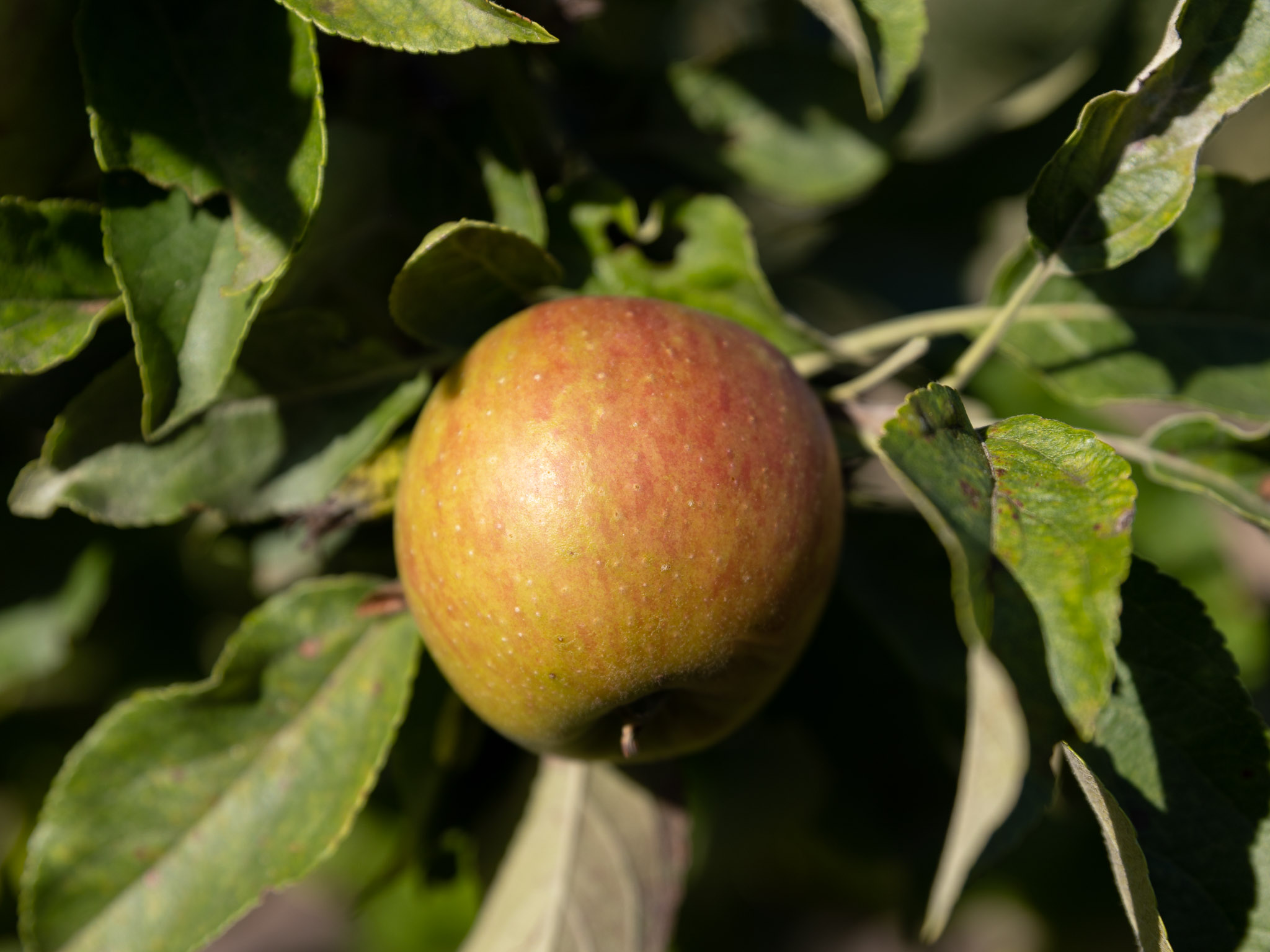
Apple - Malus domestica 'Elstar'
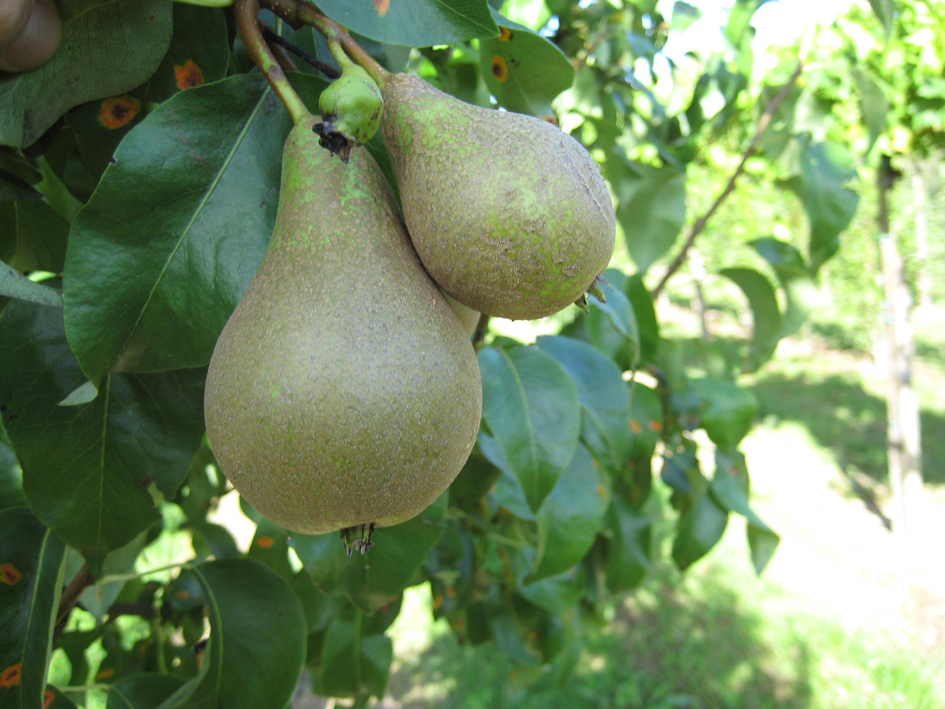
Pear - Pyrus communis 'Conference'
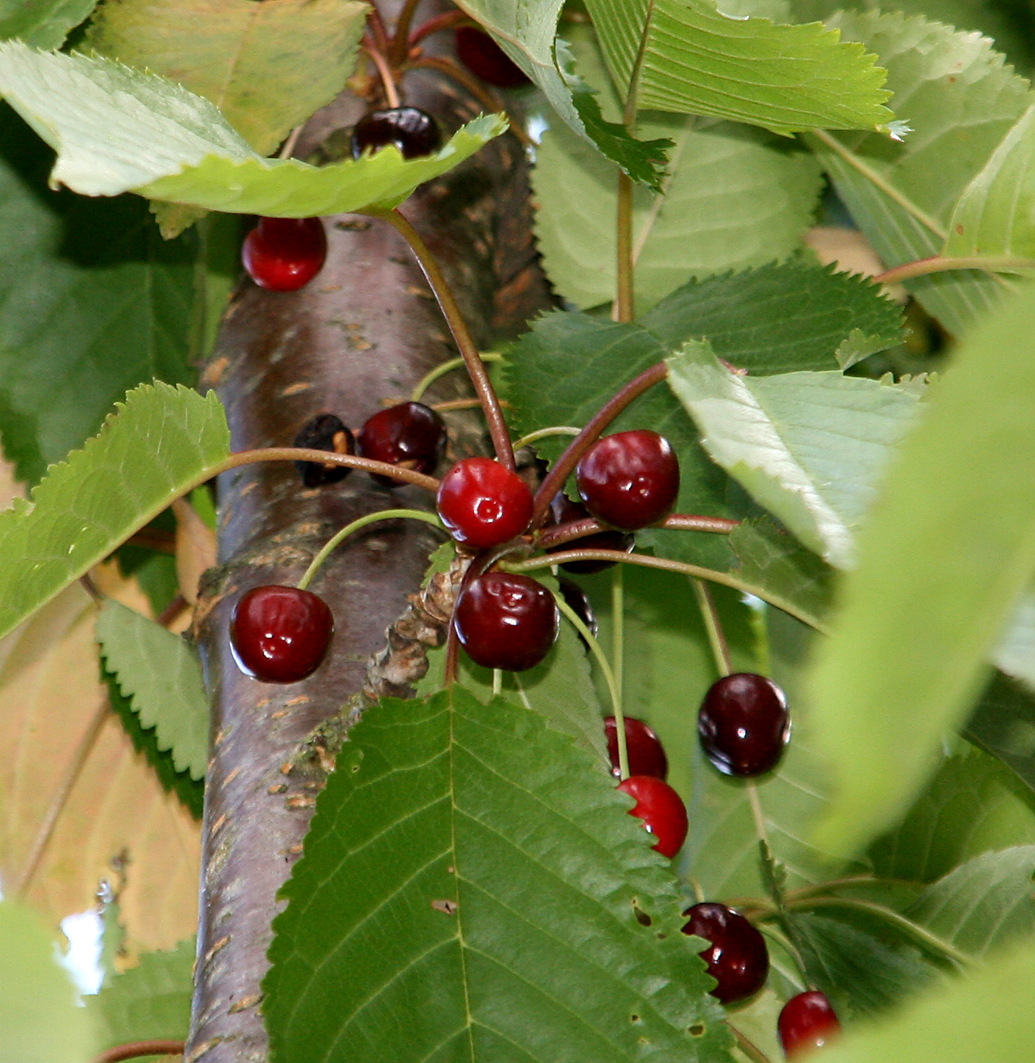
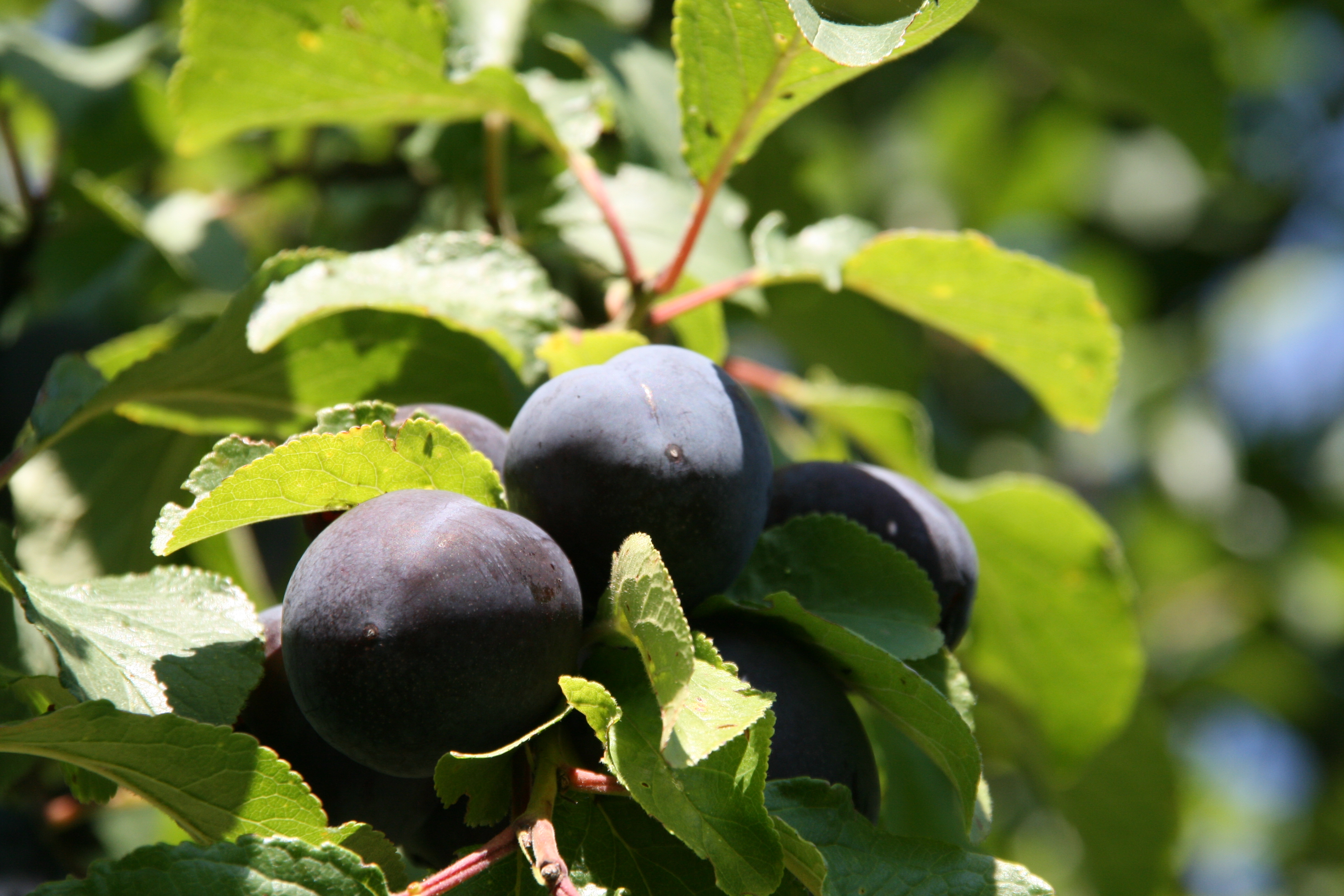
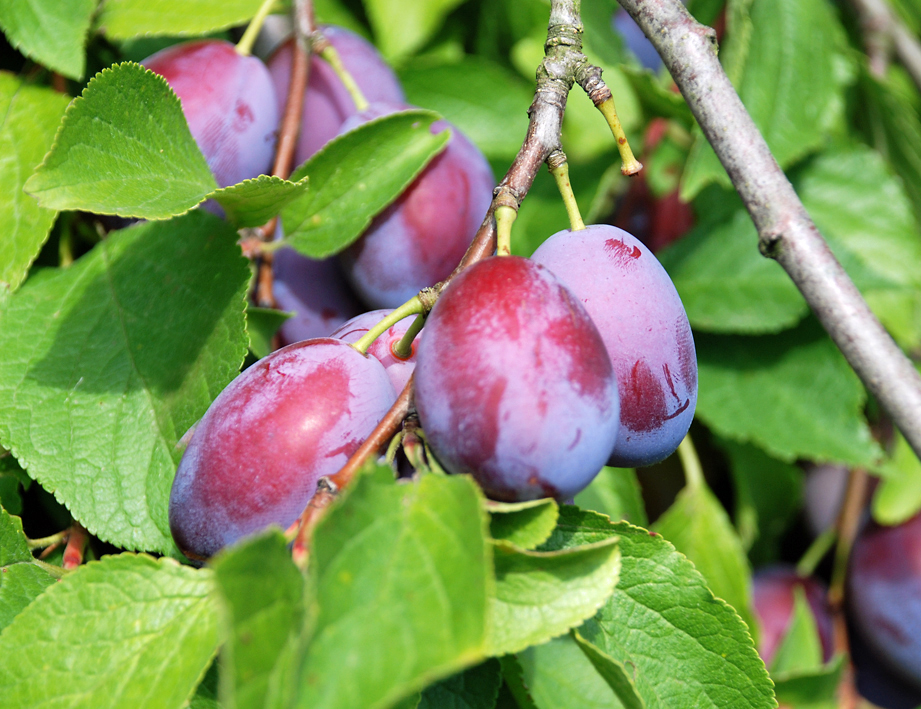
FAQ - Frequently asked questions
When is the best time to prune fruit trees?
It depends on what you want to achieve.
Winter pruning (January to March): Encourages growth. If you have a young tree that you want to grow vigorously, it is best to prune it in late winter.
Summer pruning (June to August): Slows growth and encourages fruit set. This is ideal for older trees that have become too dense. Stone fruit (cherries and plums) in particular are best pruned immediately after the summer harvest, as the wounds heal more quickly then. Translated with DeepL.com (free version)
Why is my fruit tree flowering but not bearing fruit?
There are usually three main reasons:
1. Late frost: The blossoms were there, but frosty nights can kill them. The blossoms often still look fine, but are dead inside.
2. Lack of pollinators: If there are no bees or bumblebees flying about, the blossoms will not be pollinated.
3. Alternate bearing: Some varieties (particularly apple trees) are prone to alternate bearing. They produce a bountiful crop one year and take a break the following year to regenerate.
Which fruits are harvested from the trees in which season?
Summer (June–August): stone fruits, such as cherries, apricots, peaches and the first plums and damsons.
Autumn (September–November): pome fruits, such as apples and pears. Also late-season stone fruits, such as damsons and mirabelle plums.