






_400x400.webp "Gehölztrends 2025: Kaiser-Linde, Vogelkirsche, Hainbuche und mehr")




 Contact
Specimen
A valuable professional investment
Immediate visual impact and an ‘instant garden’: solitary shrubs deliver instant results. Architectural structure: they serve as eye-catchers, mark entrances or divide spaces in parks.
Privacy screening from day one: In private gardens or commercial outdoor spaces, immediate privacy is often a decisive selling point for the end customer.
Cost-effectiveness and efficiency: Even if the purchase price is higher, the use of specimen offers economic advantages: Fewer plants required: Where dozens of small shrubs would otherwise need to be planted, a single, distinctive solitary shrub is often sufficient.
Reduced maintenance: Specimen are more established and robust. With proper root balling, the critical phase of early growth care is often less problematic than with delicate young plants.
Readiness for handover: Projects can be finalised more quickly and handed over to the client without any ‘gaps’.
Tip for professionals: Specimen are the ‘investment piece’ of garden design. They transform a mere green space into a designed space and, thanks to their presence and the time they save, often justify the higher budget.
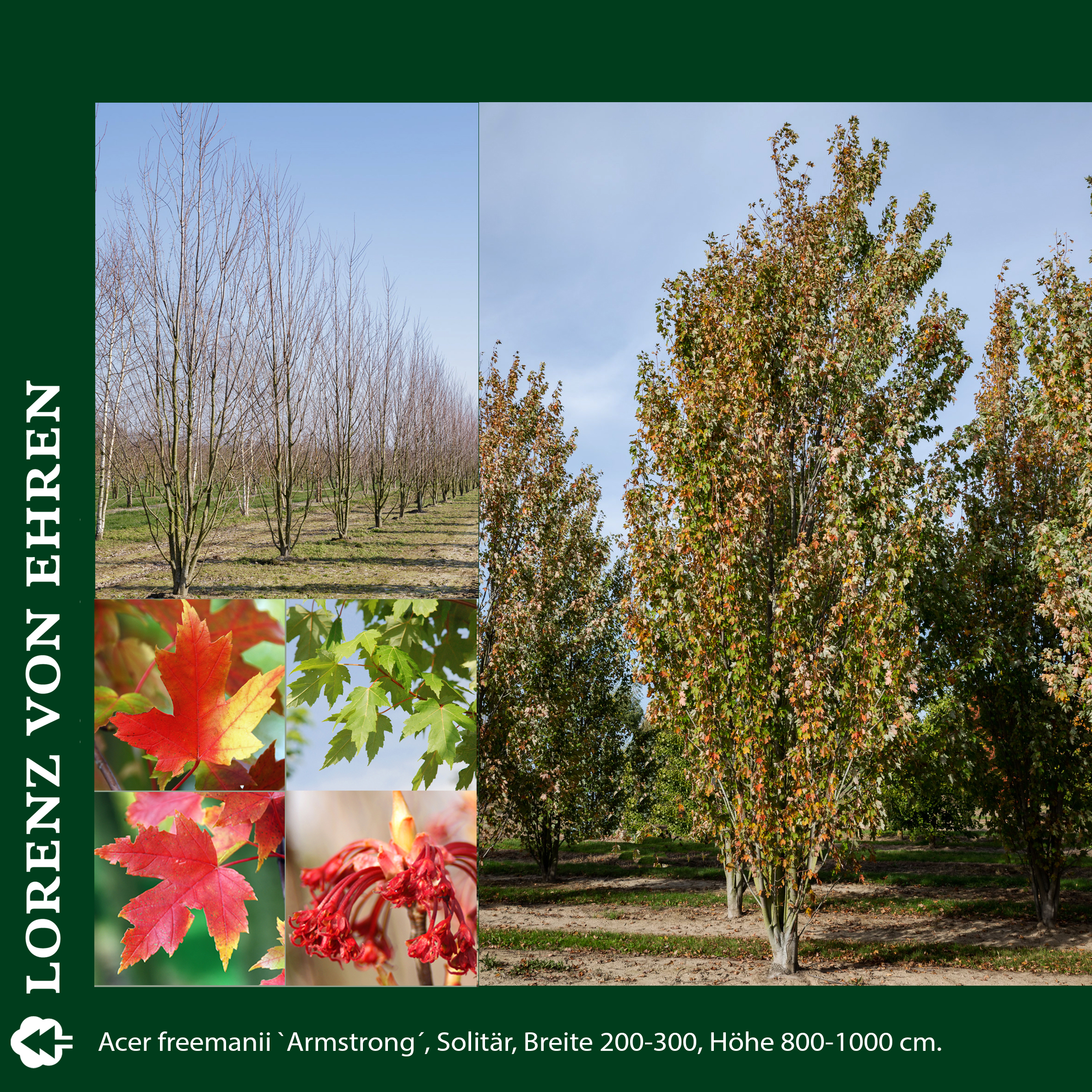
Acer freemanii 'Armstrong' Width 200-300 Heigh 800-1000
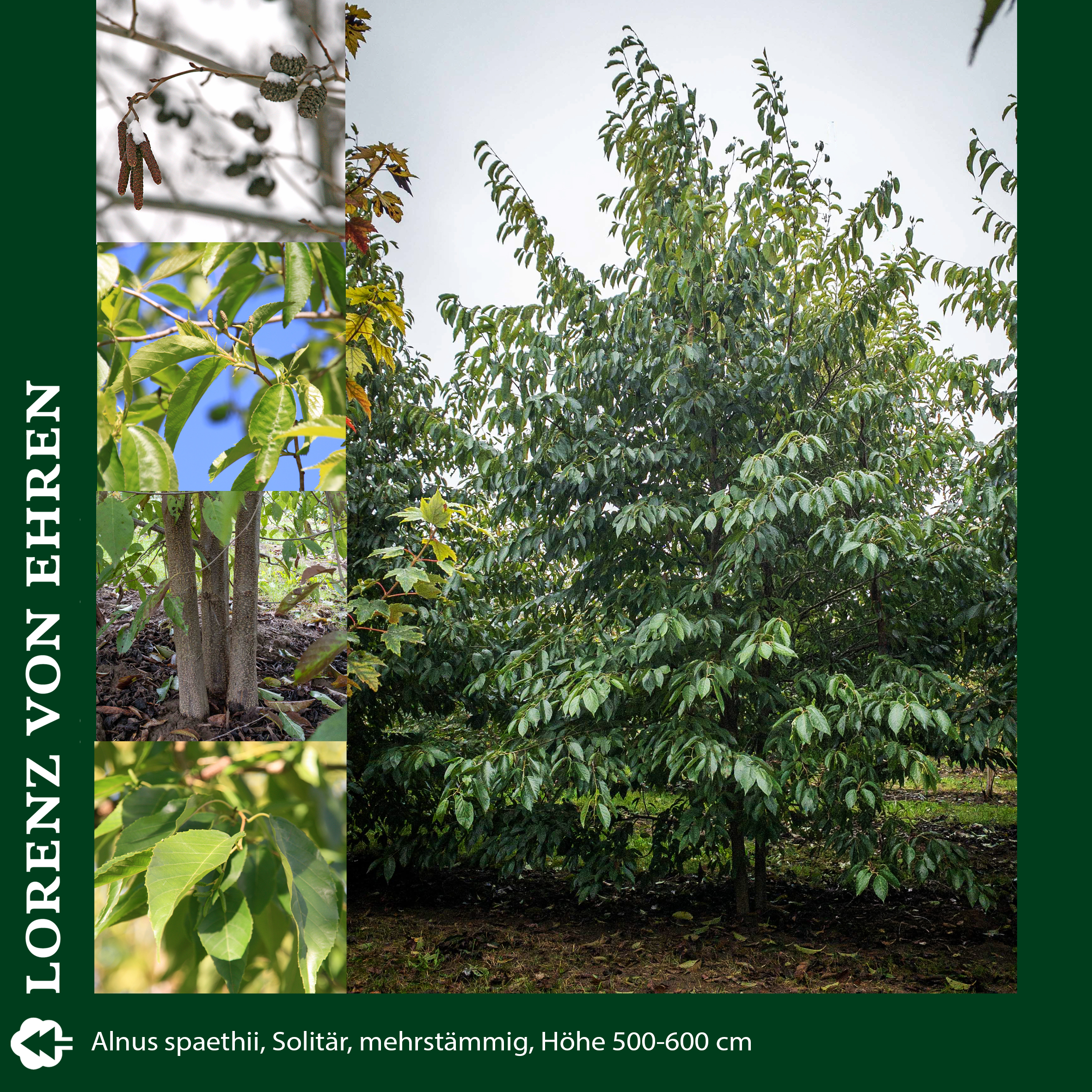
Alnus spaethii multi-stemmed Heigh 500-600
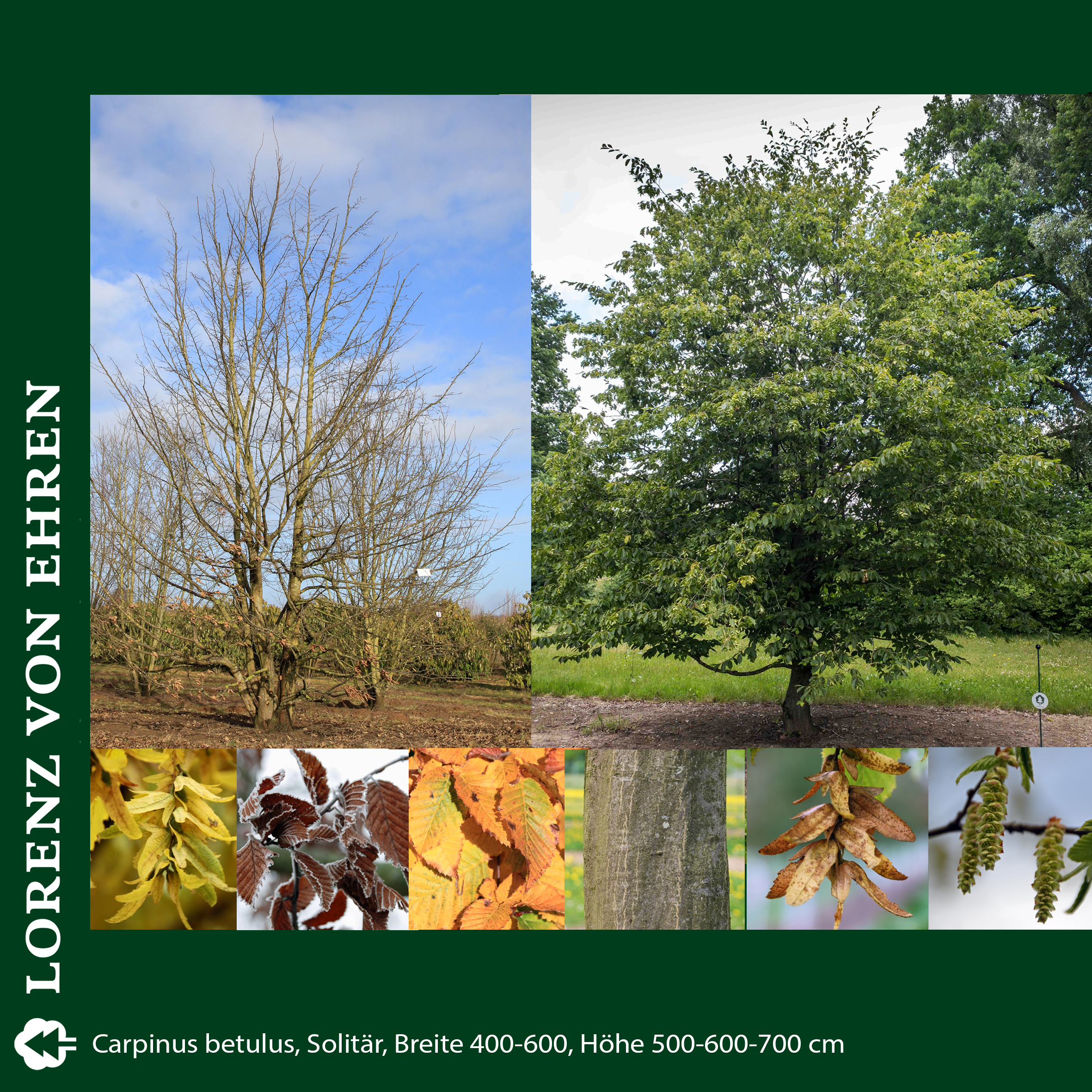
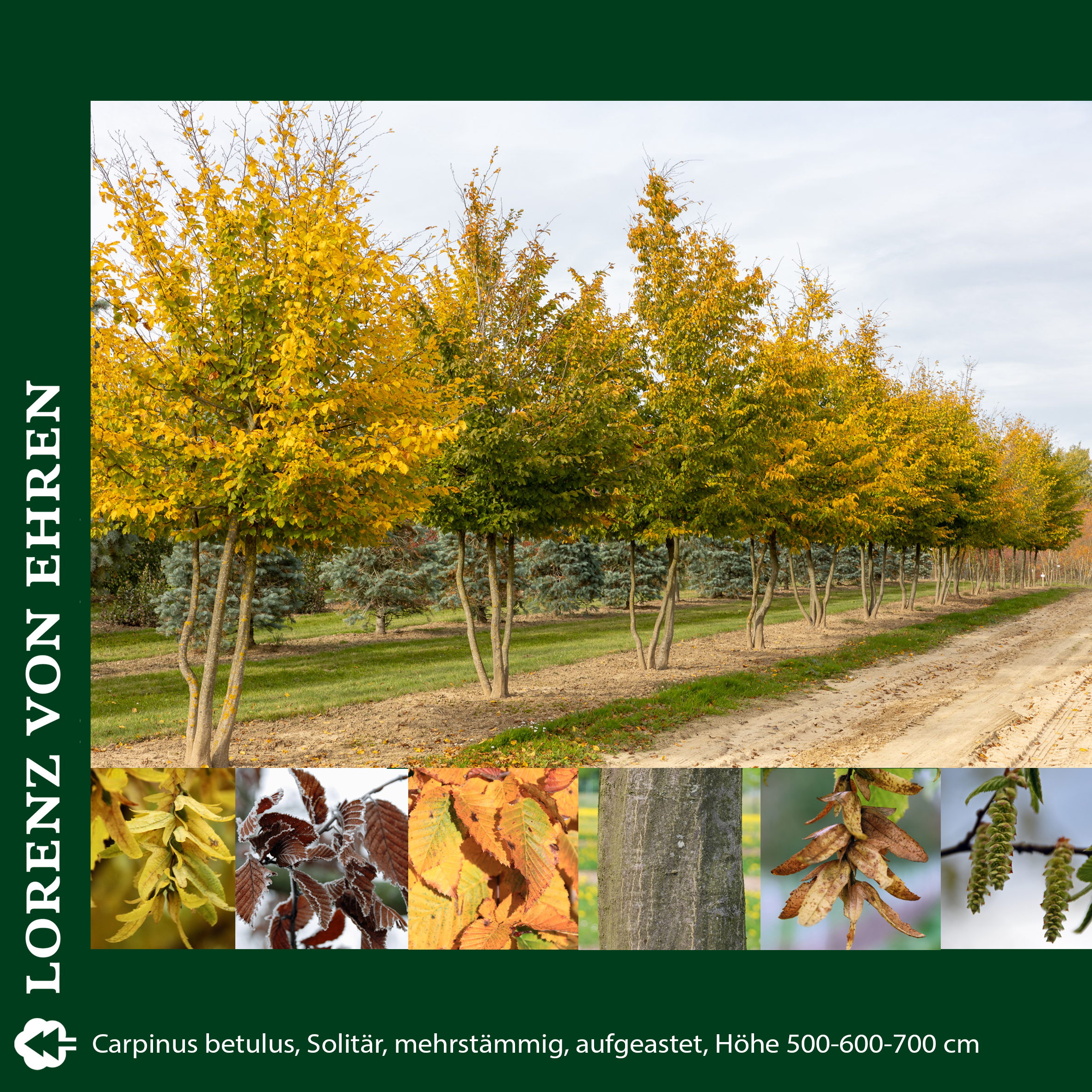
Carpinus betulus Width 400-600 Heigh 500-600-700
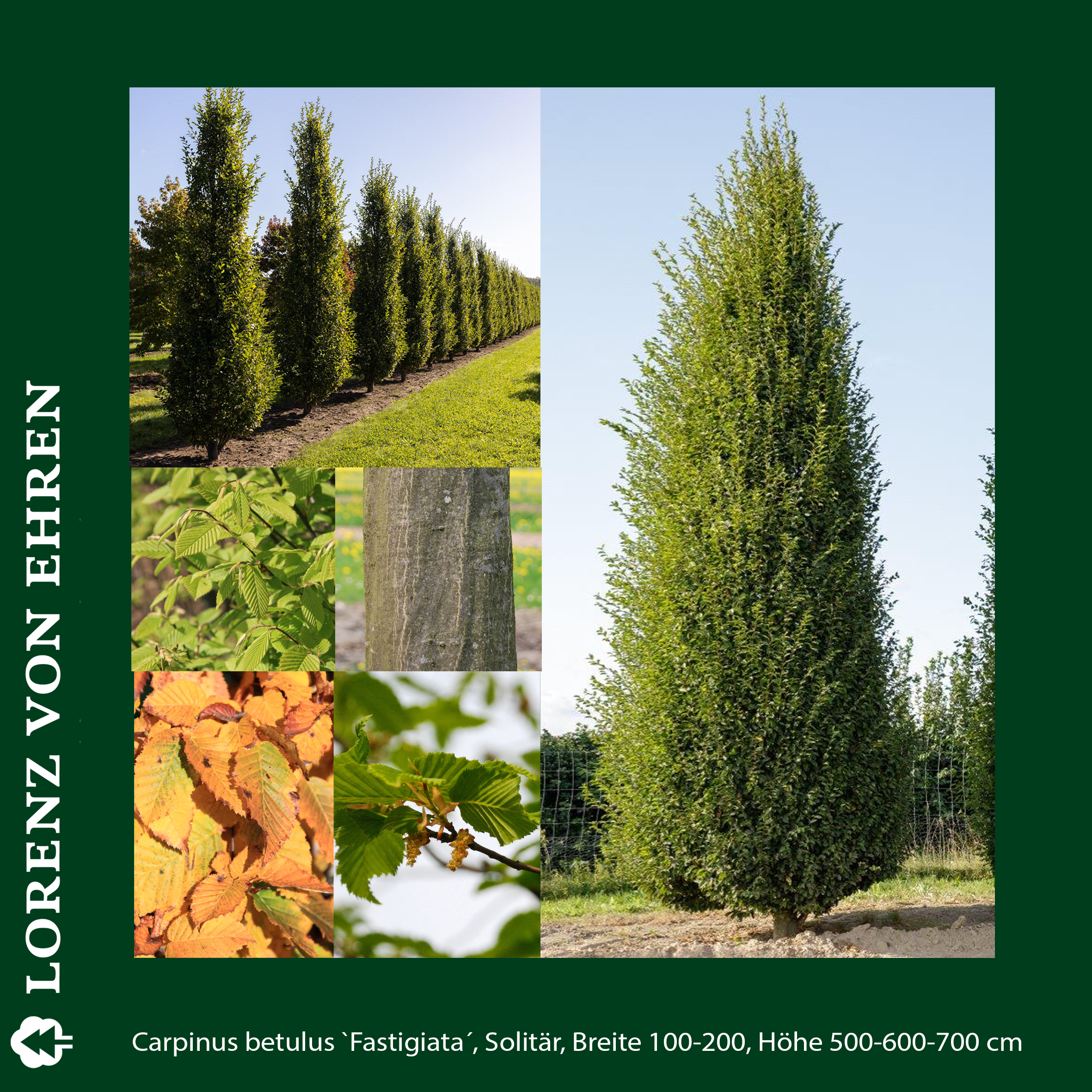
Carpinus betulus 'Fastigiata' Width 60-200 Heigh 400-600-700
Carpinus betulus multi-stemmed aufgeastet 500-600
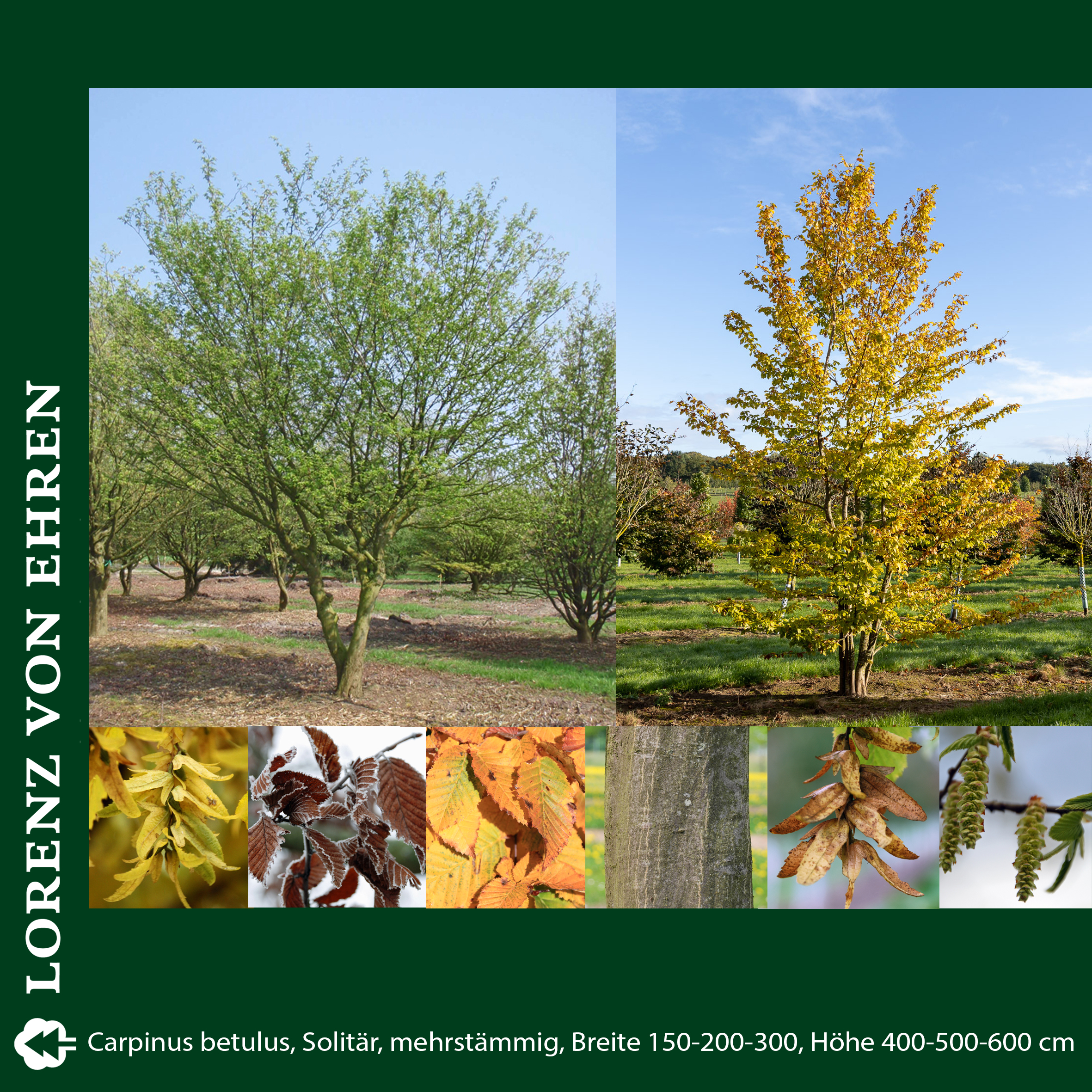
Carpinus betulus multi-stemmed Width 150-200-300 Heigh 400-500-600
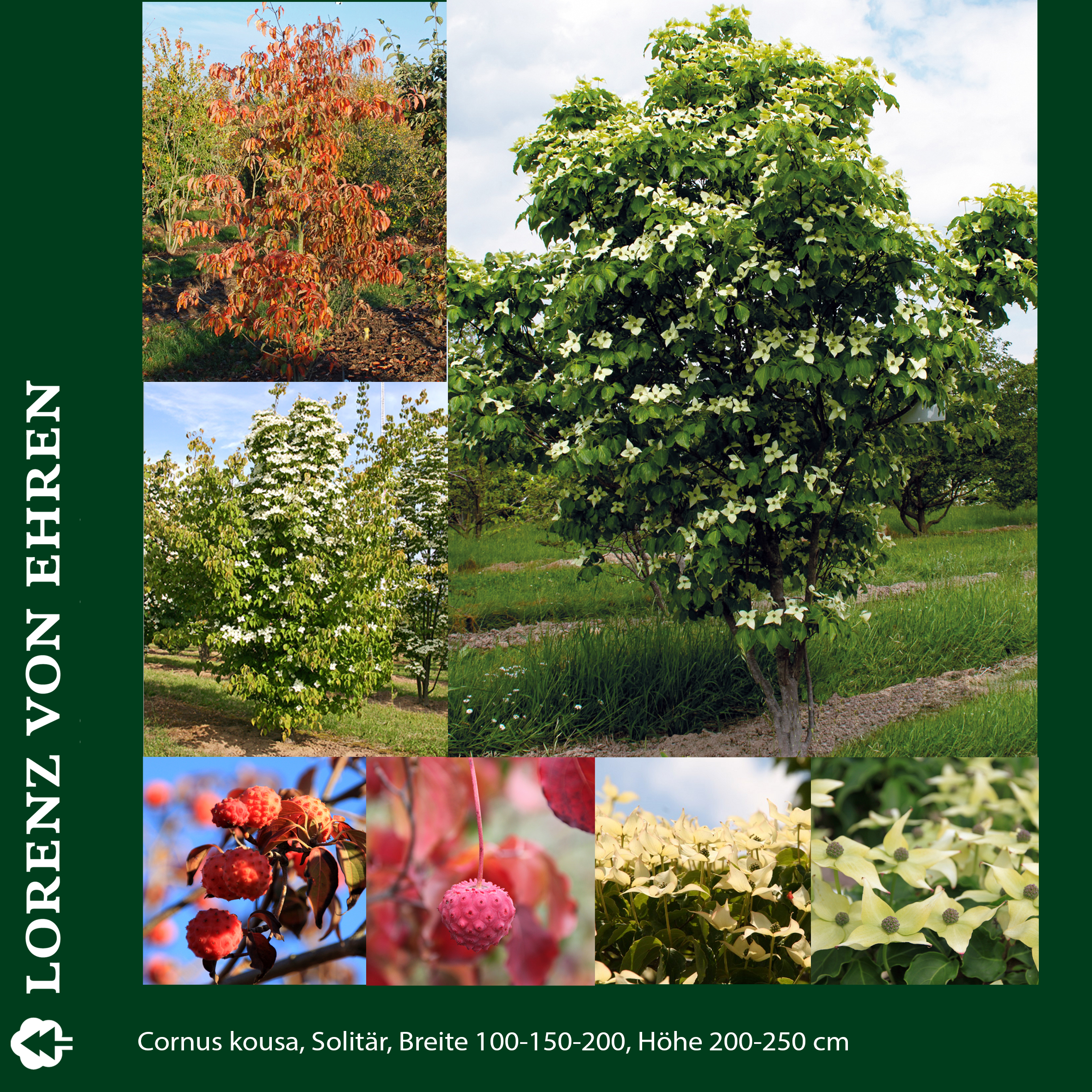
Cornus kousa Width 100-200 Heigh 200-250
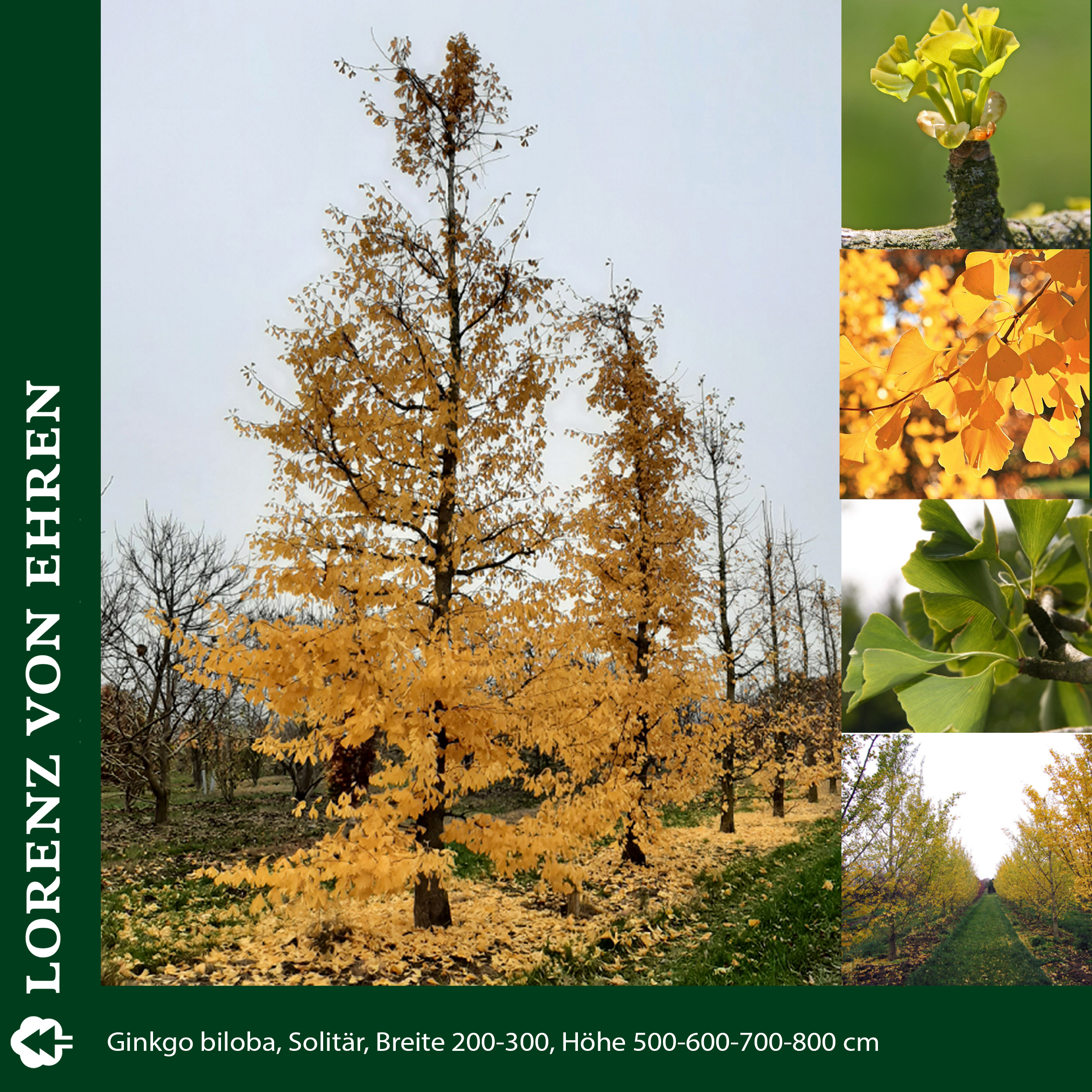
Ginkgo biloba Width 200-300 Heigh 500-800
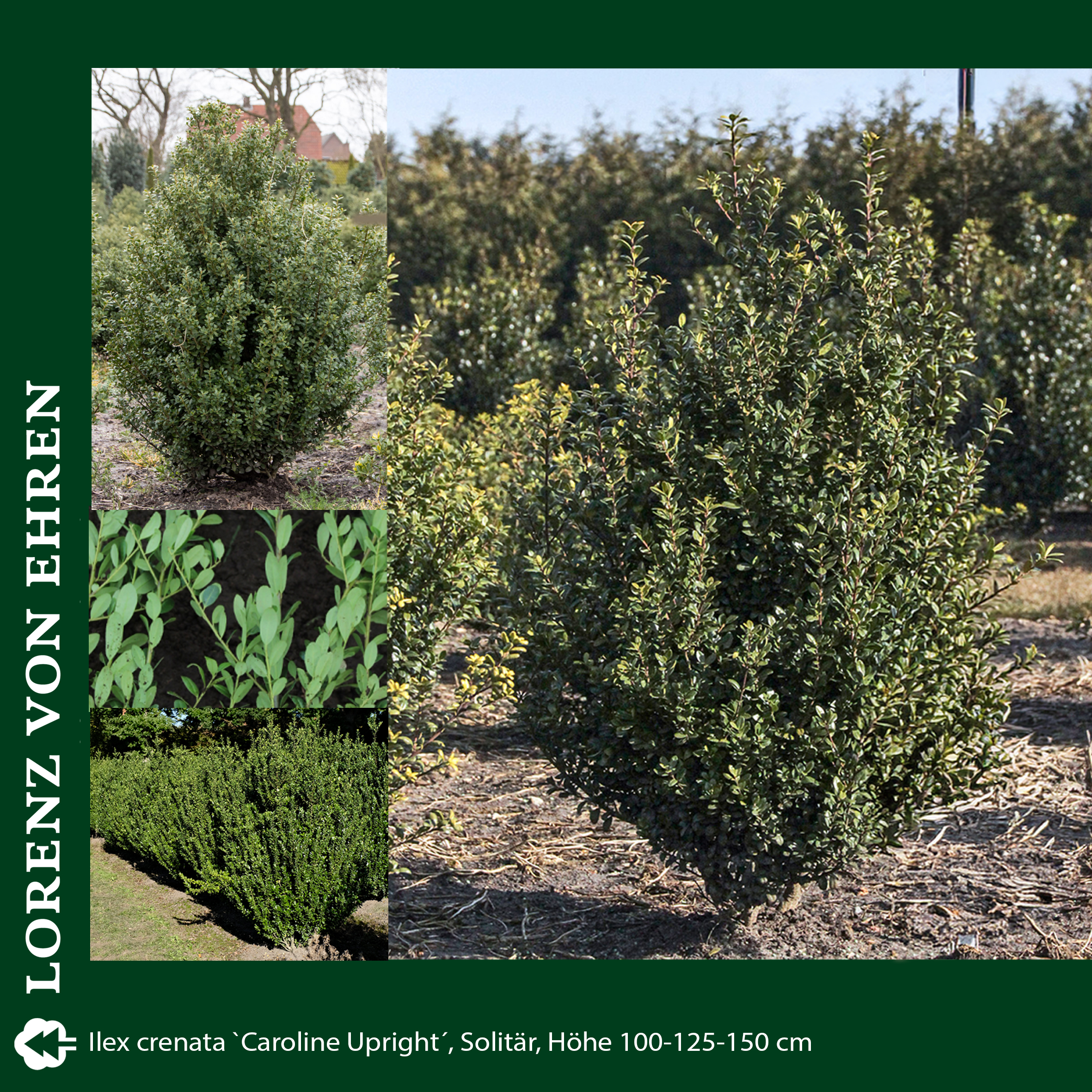
Ilex crenata 'Caroline Upright' Heigh 100-150
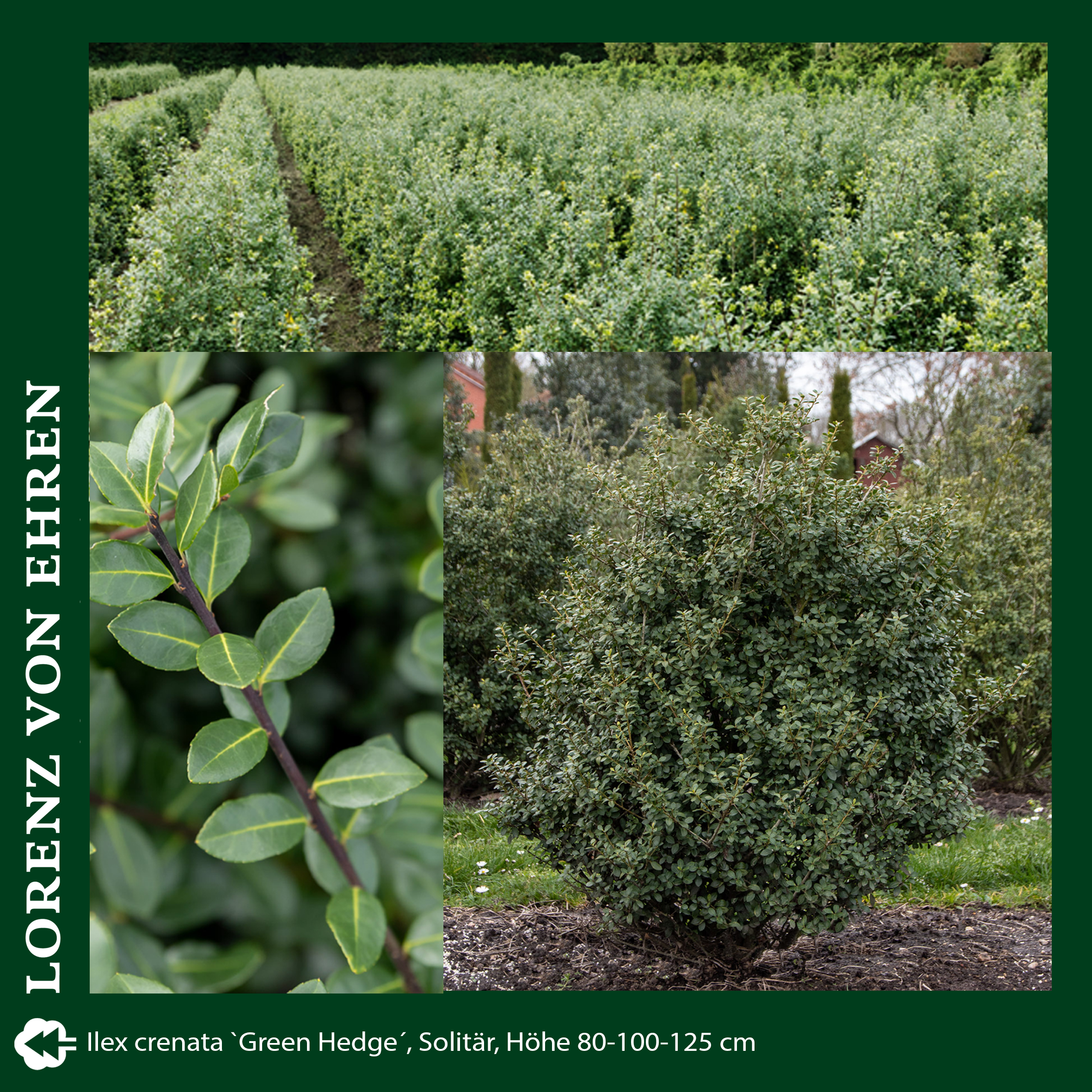
Ilex crenata 'Green Hedge' Heigh 80-100-125
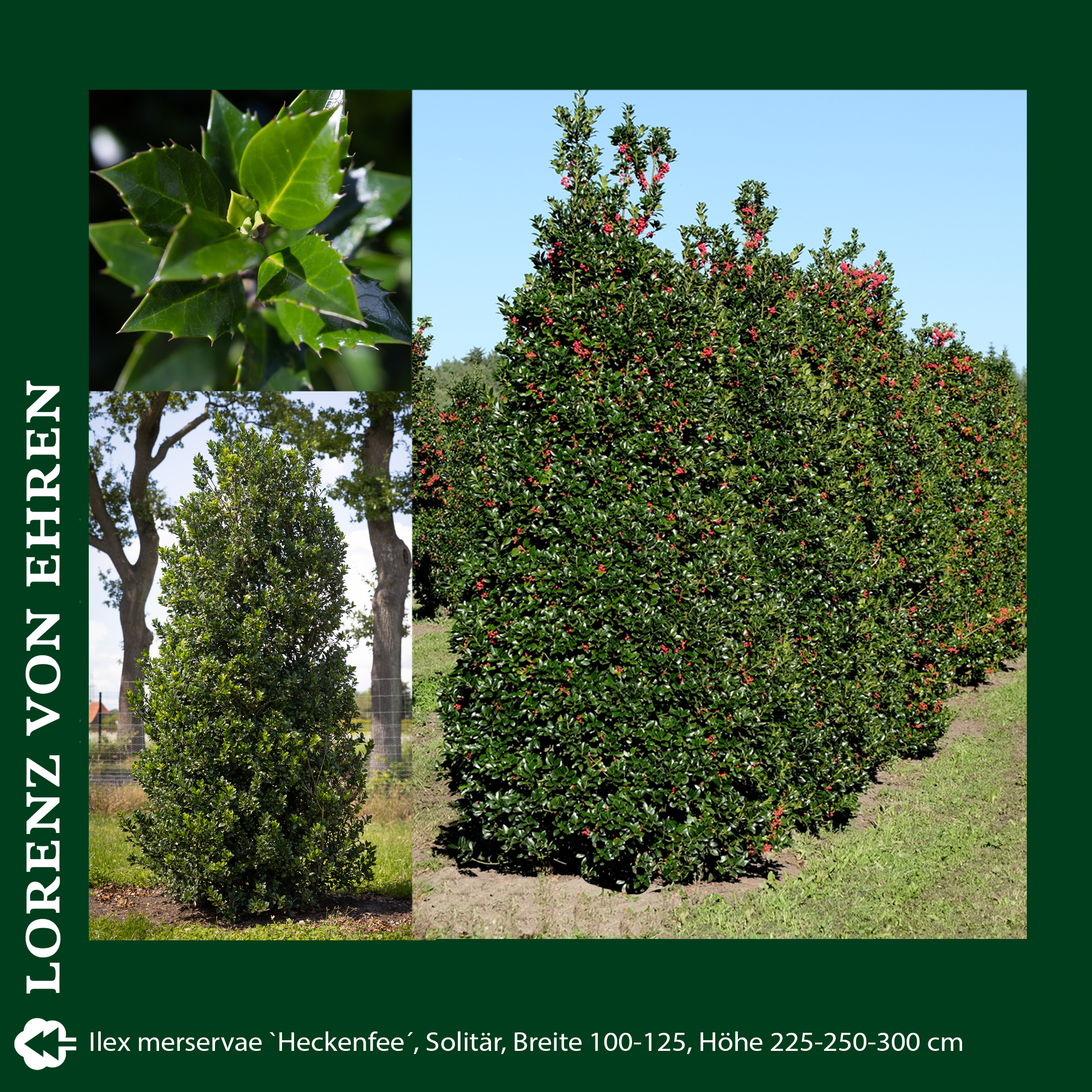
Ilex crenata 'Heckenfee' Width 100-125 Heigh 225-300
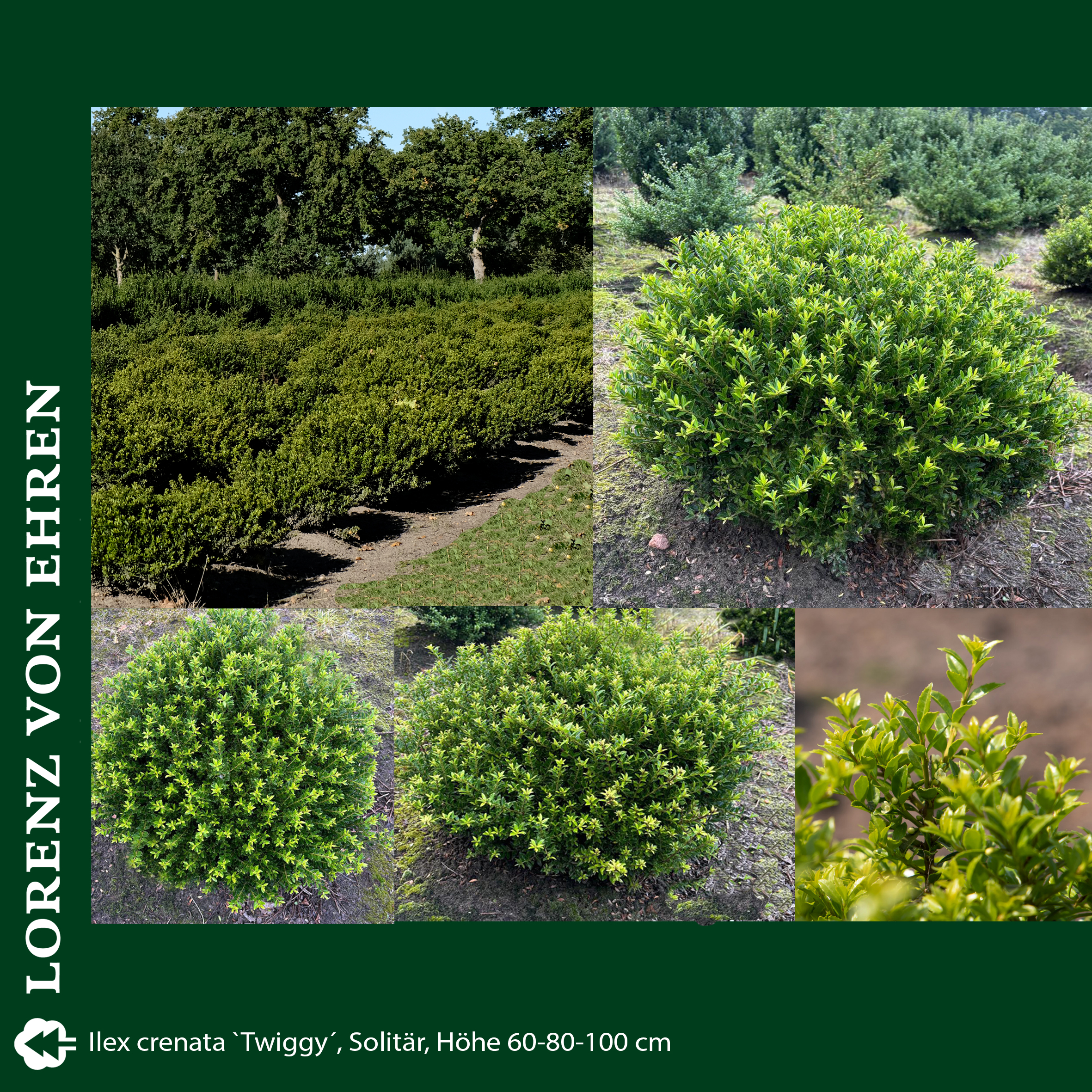
Ilex crenata 'Twiggy' Heigh 60-80-100
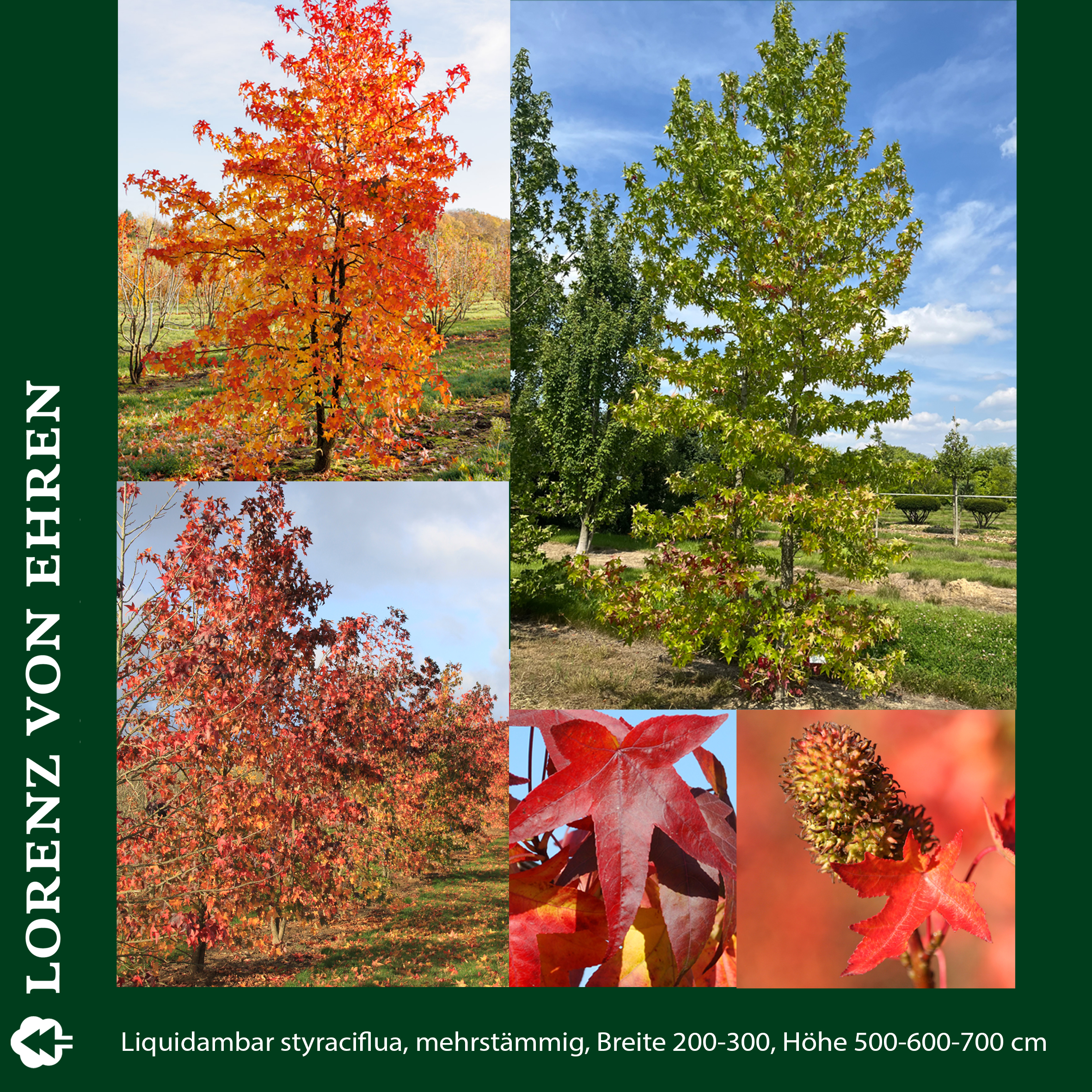
Liquidambar styracilufa multi-stemmed Width 200-300 Heigh 500-600-700
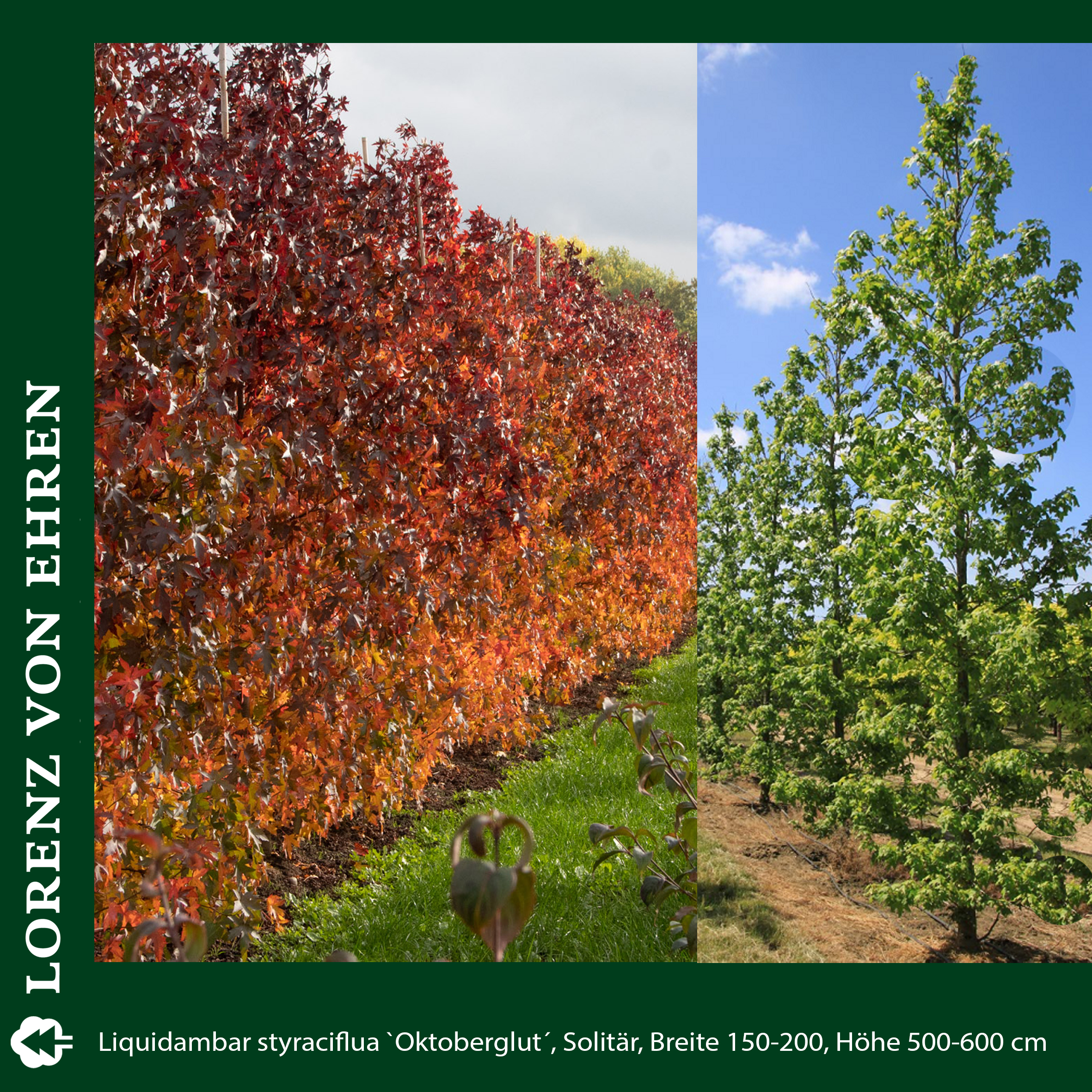
Liquidambar styracilufa 'Oktoberglut' Width 150-200 Heigh 500-600
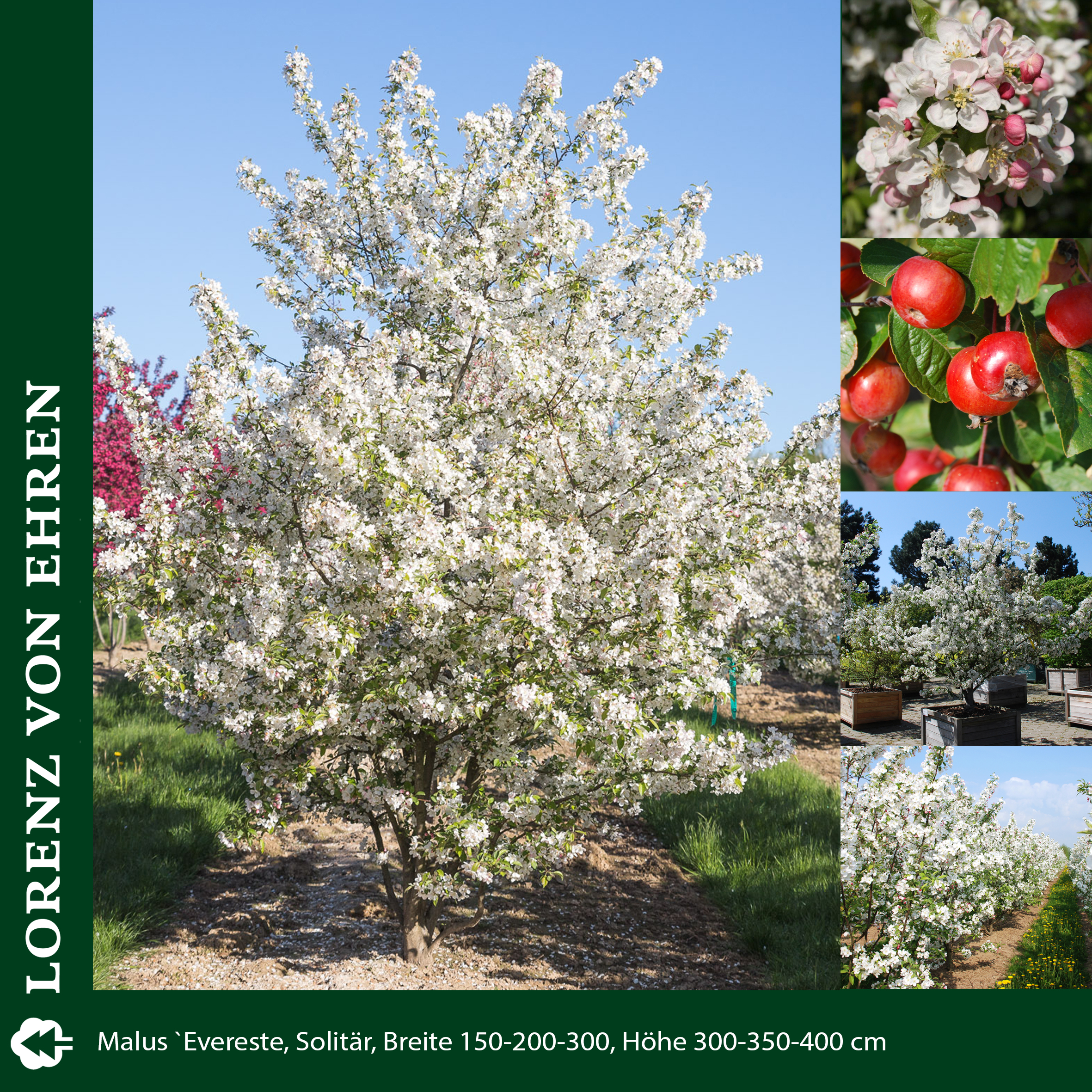
Malus 'Evereste' Solitär Width 150-200-300 Heigh 300-350-400
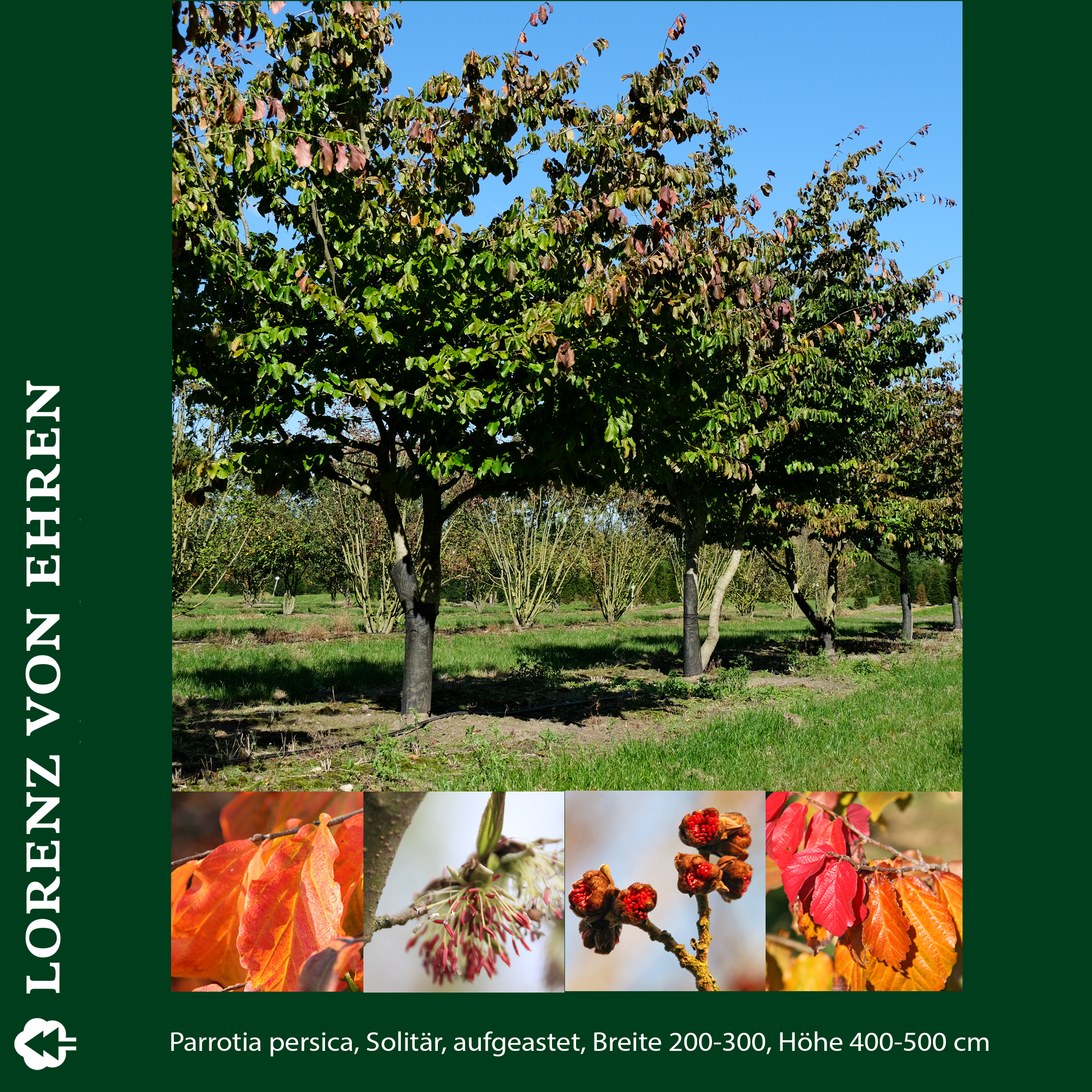
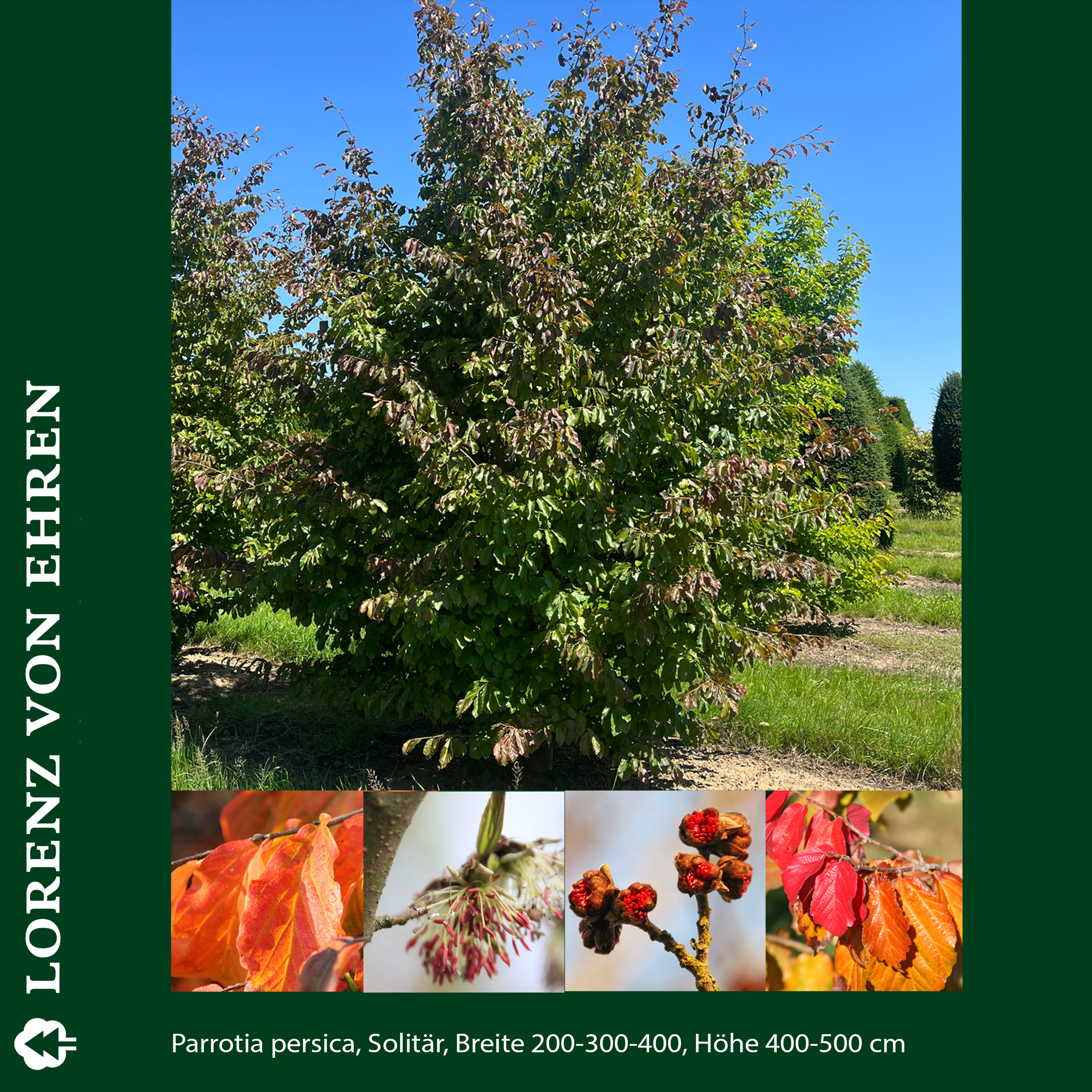
Parrotia persica aufgeastet Width 200-300-400 Heigh 400-500
Parrotia persica Width 200-300-400 Heigh 400-500
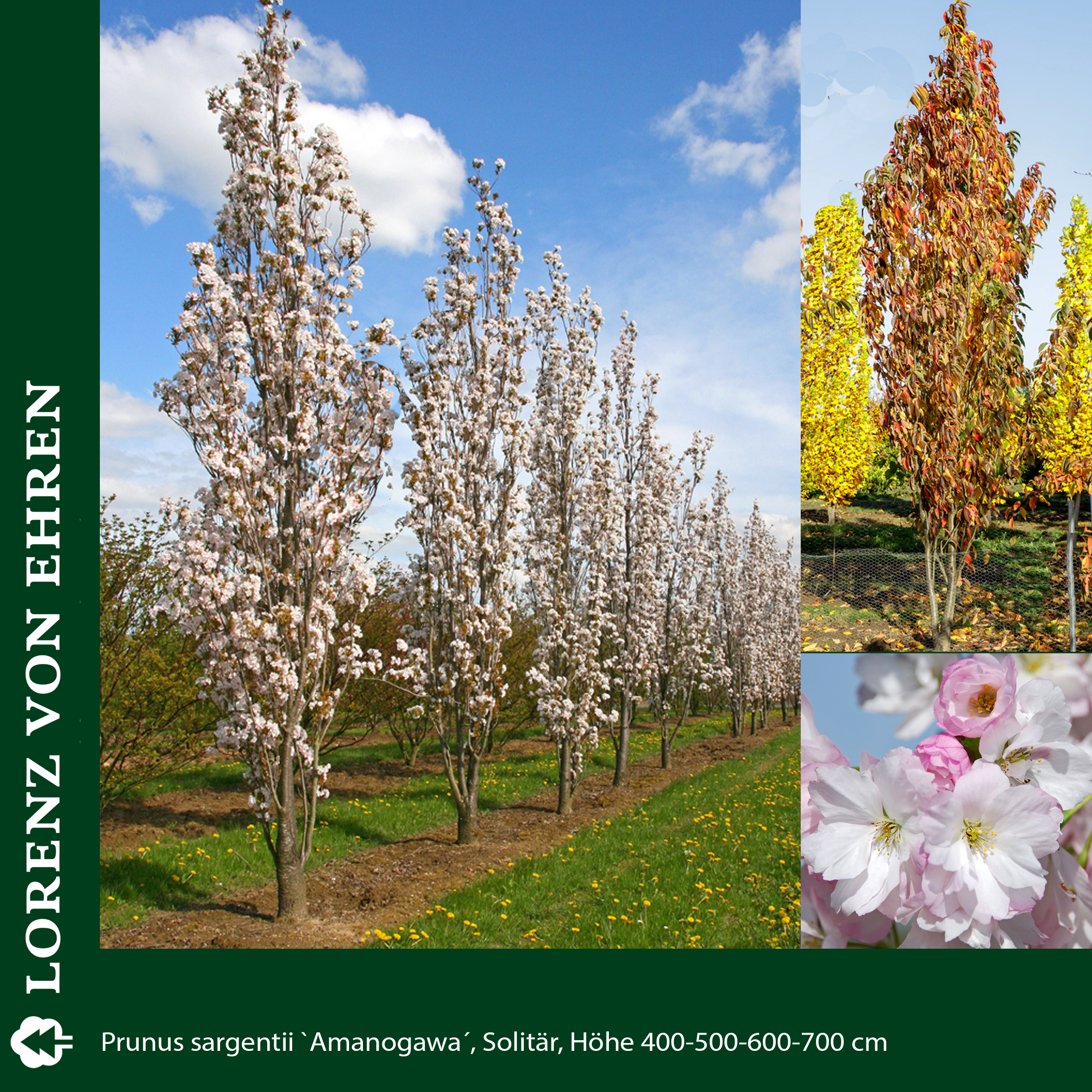
Prunus sargentii 'Amanogawa', Solitär, Heigh 400-500-600-700 cm
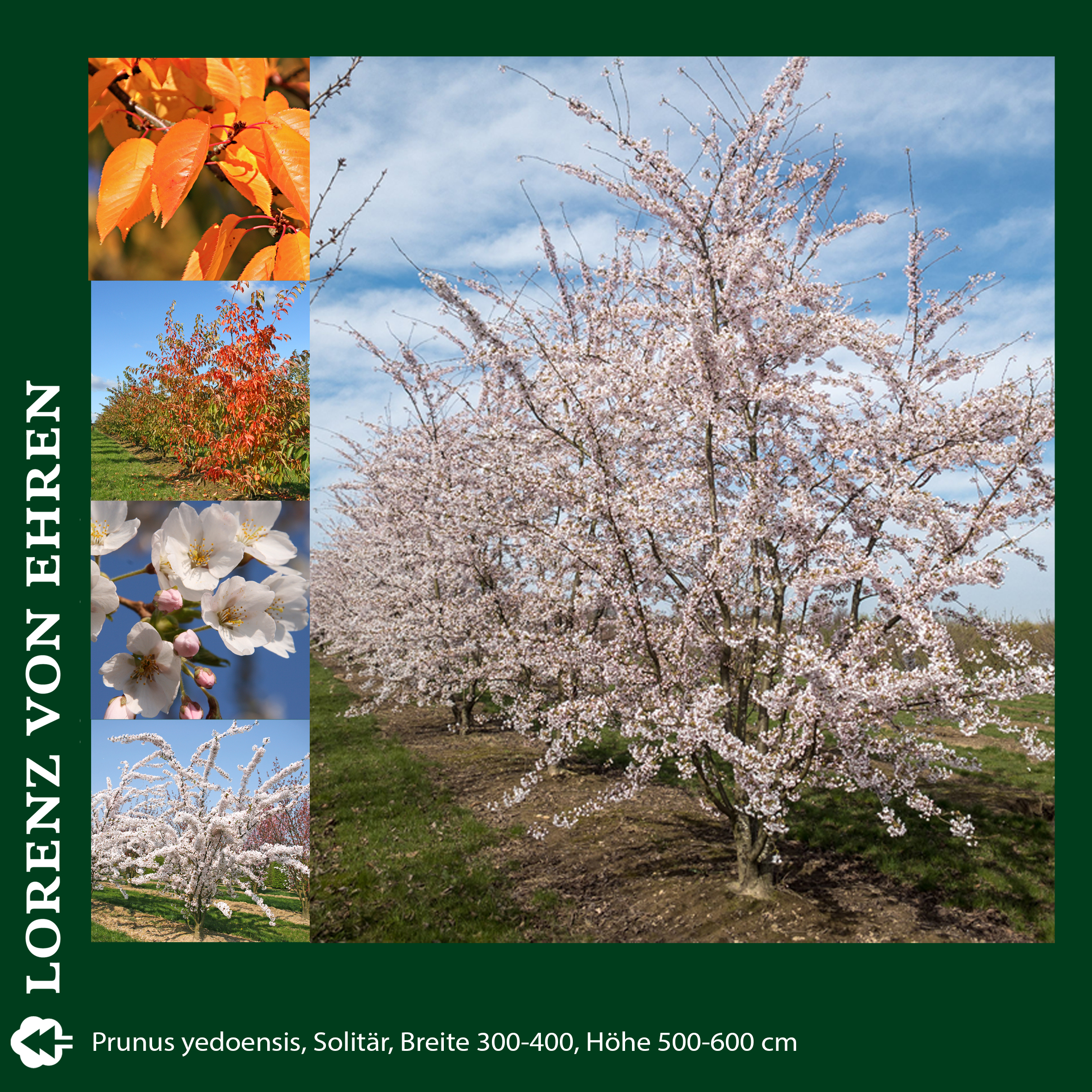
Prunus yedoensis, Solitär, Width 300-400 Heigh 500-600 cm
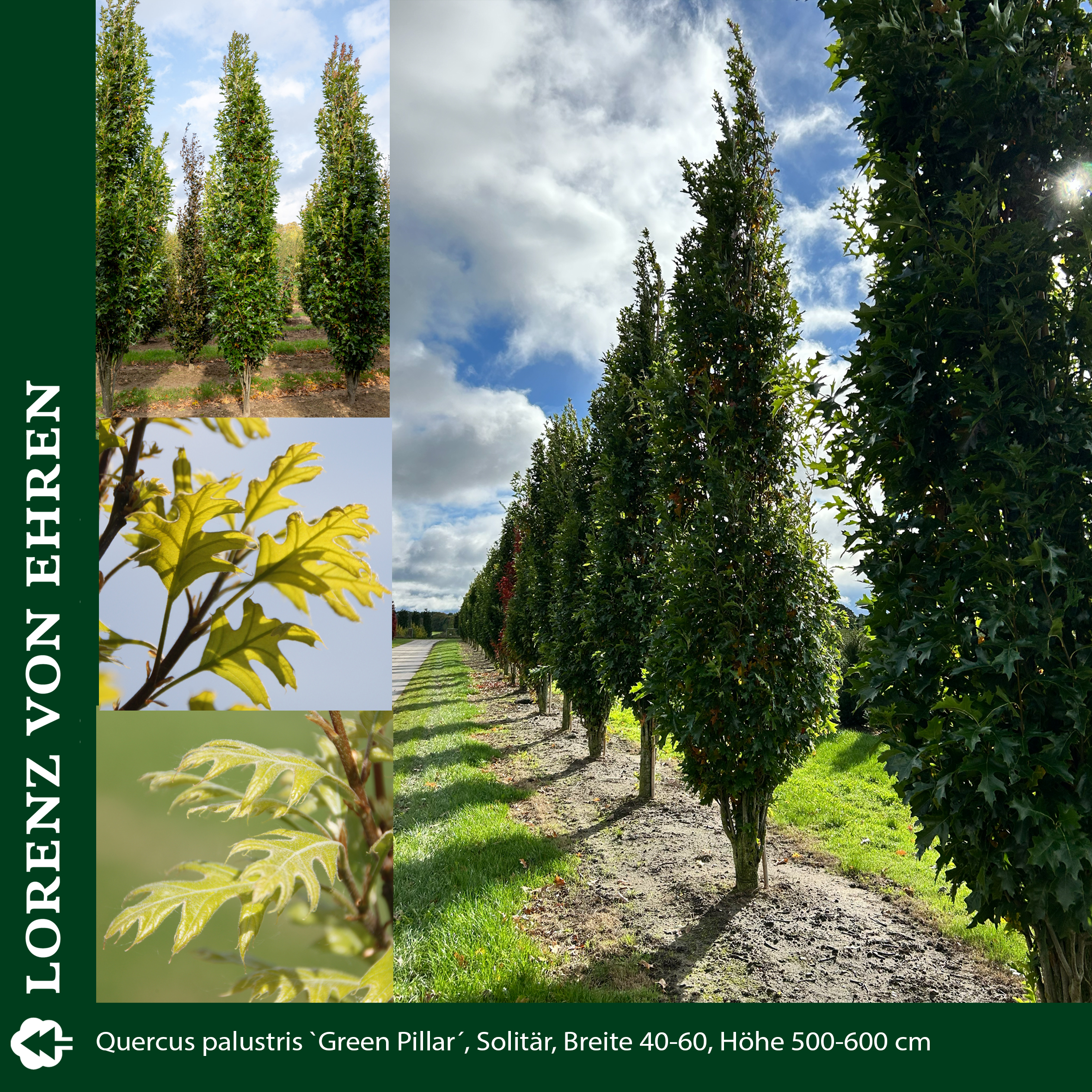
Quercus palustris 'Green Pillar', Solitär, Width 40-60, Heigh 500-600 cm
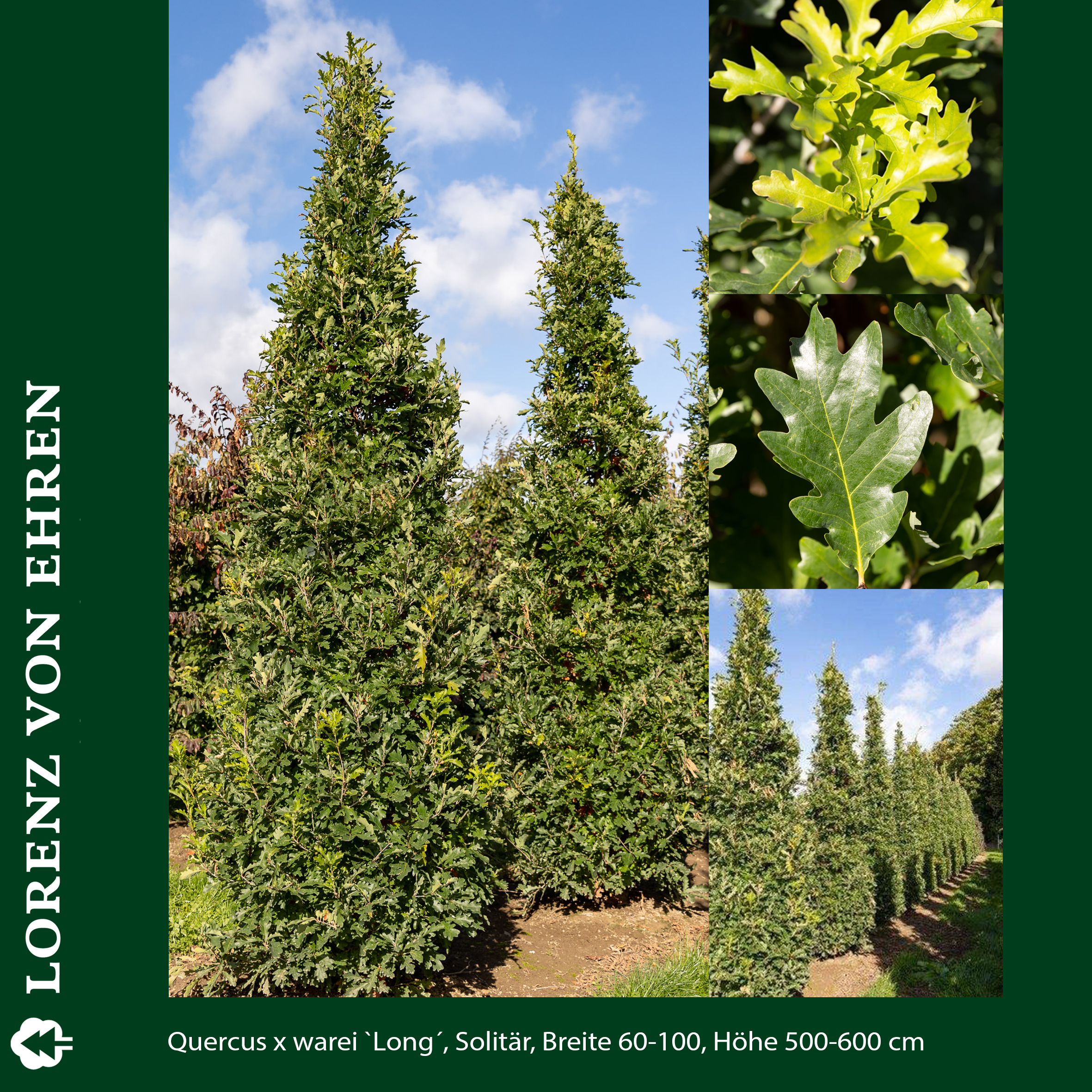
Quercus x warei 'Long', Solitär, Width 60-100, Heigh 500-600 cm
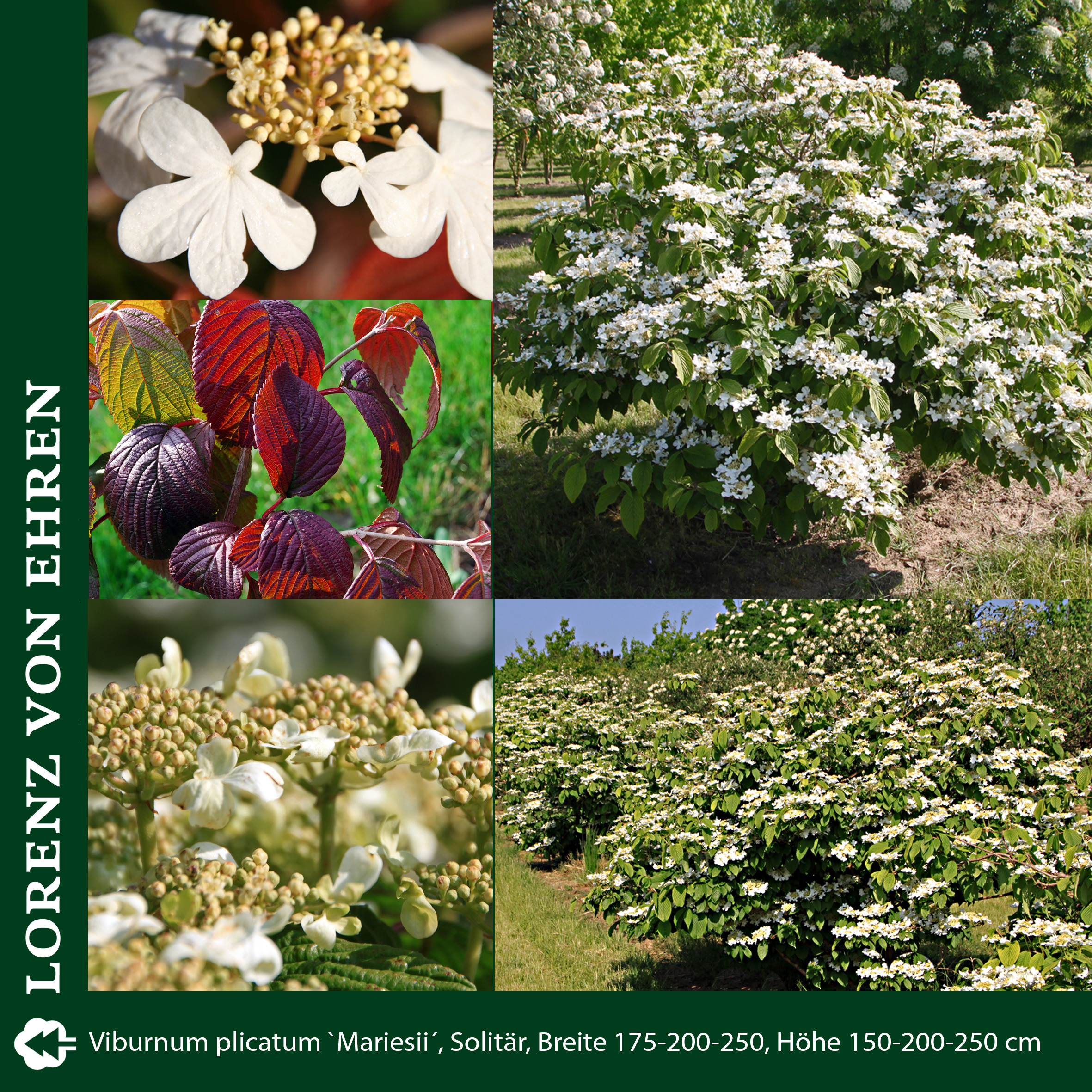
Viburnum plicatum 'Mariesii', Solitär, Width 175-200-250, Heigh 150-200-250

“A garden without a specimen is like a sentence without an exclamation mark: it lacks focus. Go for character – a single, perfectly placed specimen tells a story all on its own.”
Kerstin Abicht, Landscape architect, Lorenz von Ehren Nursery
Our uniques
Among our unique items, you will find beautiful one-off pieces from our tree range.
Pro tip
A specimen needs light from all sides to prevent it from becoming bare on one side. Mathematically, the space required can often be estimated as follows: Space required = maximum crown width + 1m buffer.
FAQ - Frequently asked questions
What exactly distinguishes a solitary shrub from ordinary shrubs?
The key difference is its solitary position. Whilst group shrubs are often planted close together to fill an area, a solitary shrub is given enough space to develop its genetically determined growth habit to perfection. It is not crowded out by neighbouring plants and does not need to be forced ‘into shape’.
What are the design benefits of a specimen in the garden?
It acts as a focal point. In architecture and garden design, it is used to direct the eye or to bring calm to busy areas of the garden. A specimen adds depth to the garden and serves as a vertical element that breaks up the flat structure of lawns or beds.
Can I use any shrub as a solitary plant?
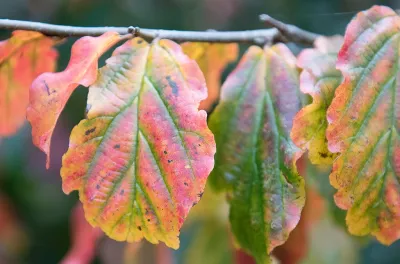
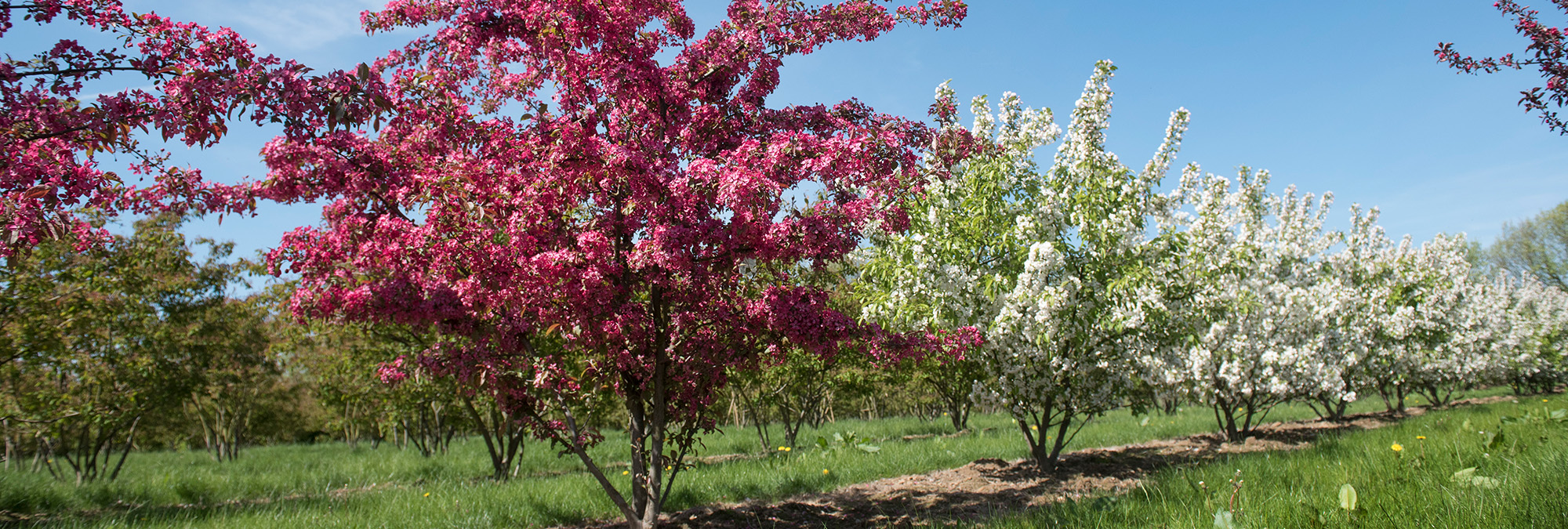
Theoretically yes, practically no. A good specimen needs that ‘certain something’. This could be exceptional autumn colour (e.g. ironwood tree), a geometric growth habit (e.g. columnar hornbeam ‘Fastigiata’) or magnificent flowers (e.g. crabapple). Plants that naturally grow rather sparsely or are misshapen are less suitable.
Does a solitary shrub need to be pruned regularly?
The rule here is: less is more. As the specimen shrub was chosen precisely because of its natural growth habit, radical pruning is usually counterproductive. As a rule, one should limit oneself to what is known as ‘maintenance pruning’. This involves removing only dead wood or branches that are rubbing against one another. The aim is to support the plant’s individual character rather than forcing it into a geometric shape.
Contact
Kerstin Abicht
Fon: +49 (0) 40 7681 -0
email: LvE(at)LvE.de