









_400x400.webp "Gehölztrends 2025: Kaiser-Linde, Vogelkirsche, Hainbuche und mehr")




 Contact
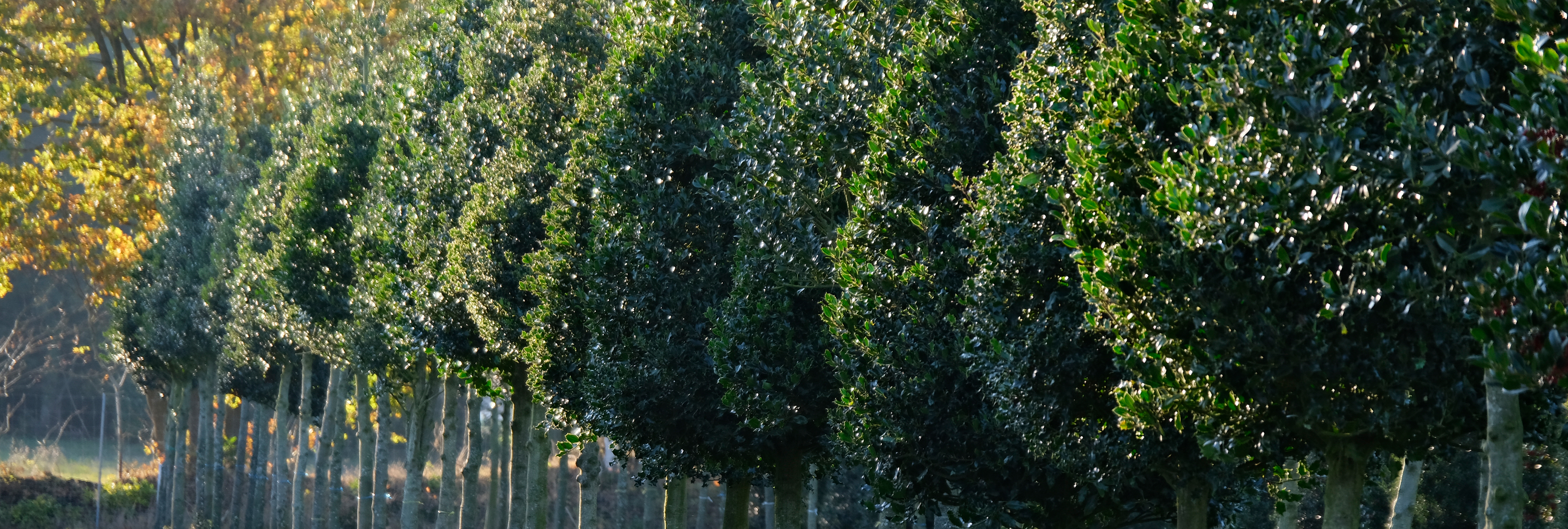
Add a touch of colour all year round with evergreens!
Evergreen trees symbolise low-maintenance continuity and year-round privacy. These are probably the main reasons for their popularity among private garden owners. Unfortunately, there is an increasing number of poorly executed examples of evergreen planting. All over the country, not just in new housing developments, one encounters monotonous clusters of cherry laurel and thuja hedges, topped off by arrangements of small conifers, garnished with a little gravel. As a result, evergreens have now developed a somewhat dull and stuffy image – which is a pity, as they have so much more to offer.
There was a time when evergreen plants were sought-after collector’s items. Newly discovered conifers and plants with beautiful foliage were traded at high prices and nurtured in specially created arboretums. Nurseries recognised the trend and bred frost-hardy evergreens with striking flowers and variegated leaves.
Expert tip: Evergreen plants retain their leaves even in winter and therefore have a constant metabolic rate. The best time to plant them is therefore early spring or early autumn. This gives the roots enough time to establish themselves before either the intense heat or deep ground frost sets in.
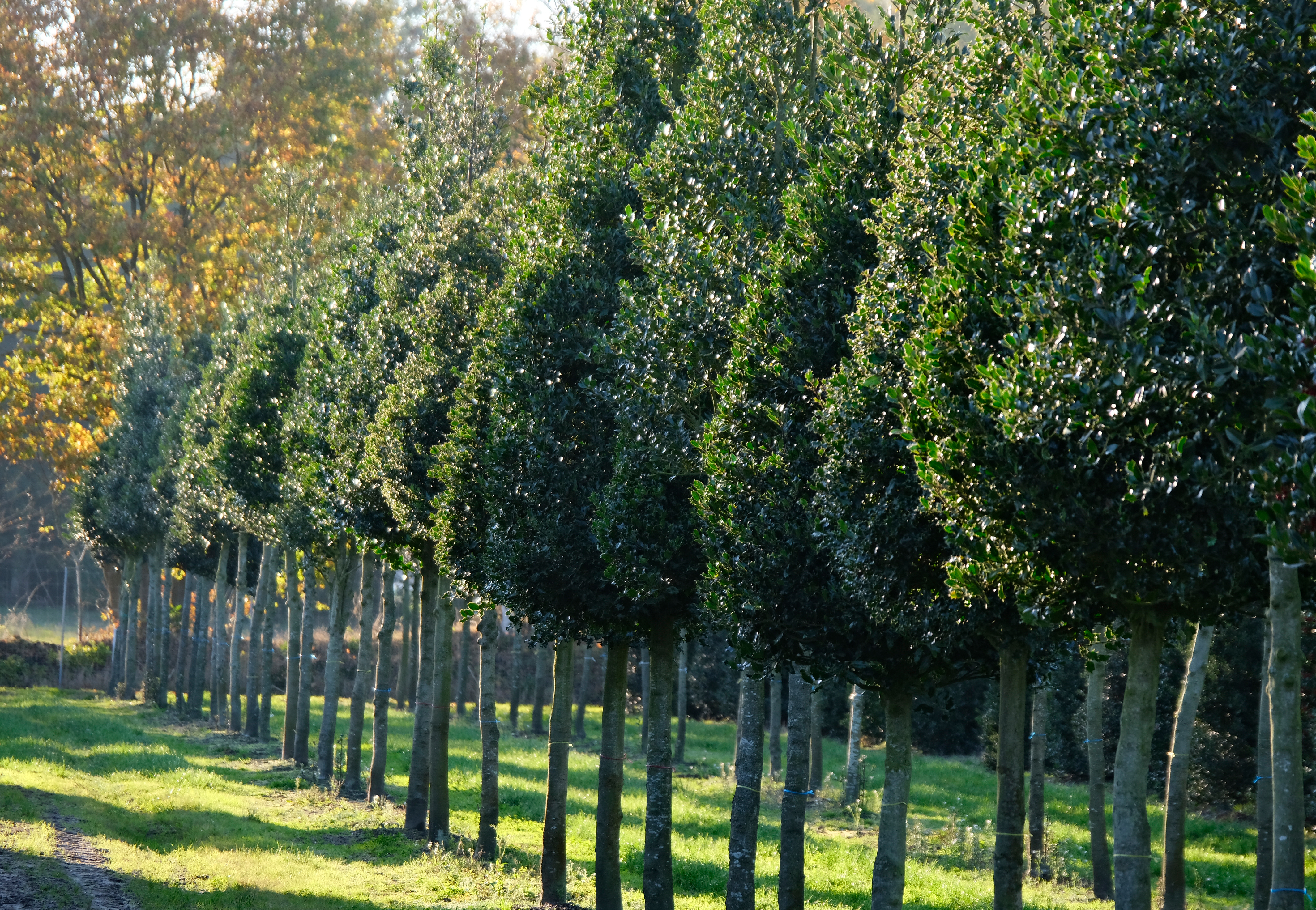
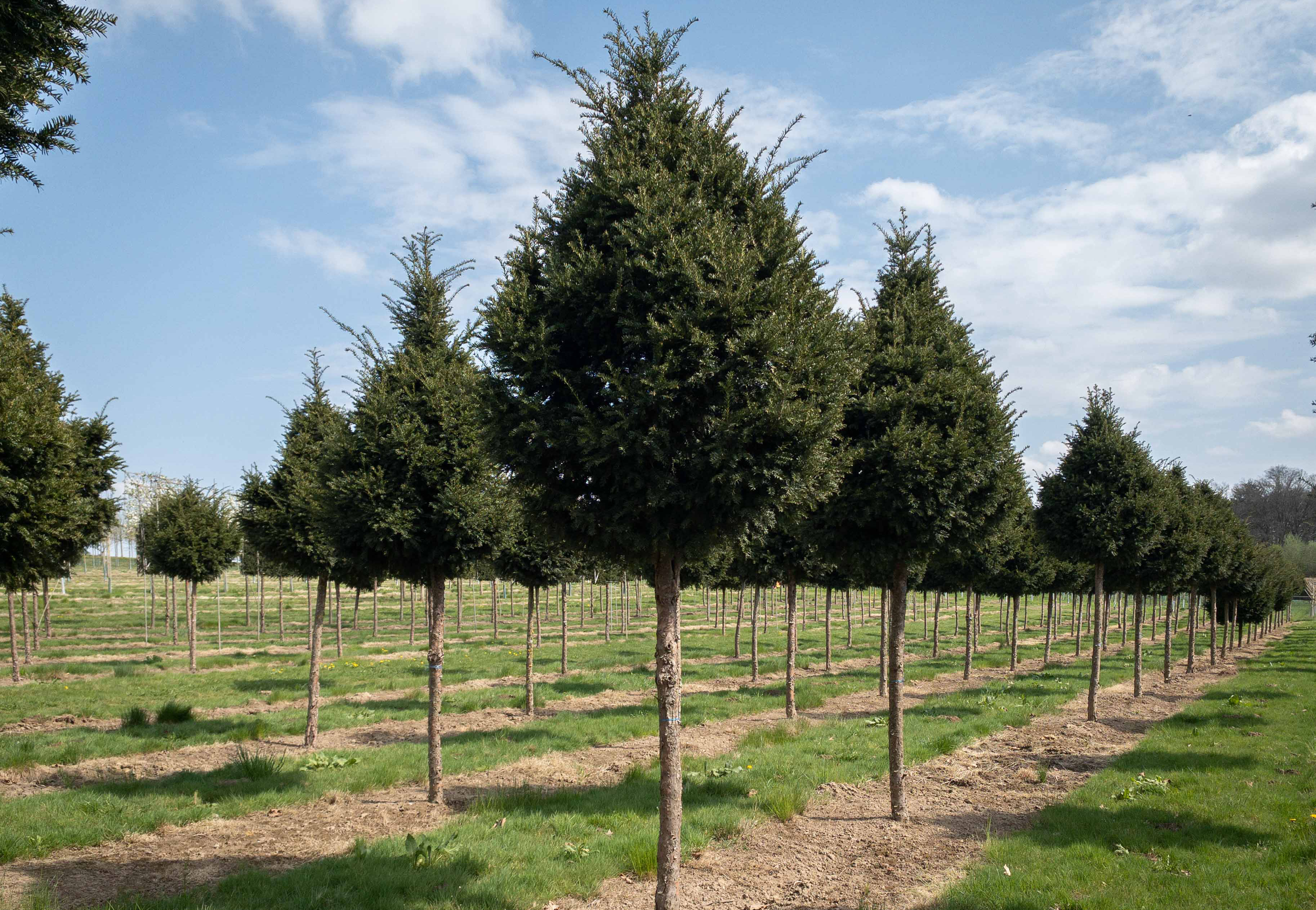
From 25-30cm Girth
From 50-60cm Girth
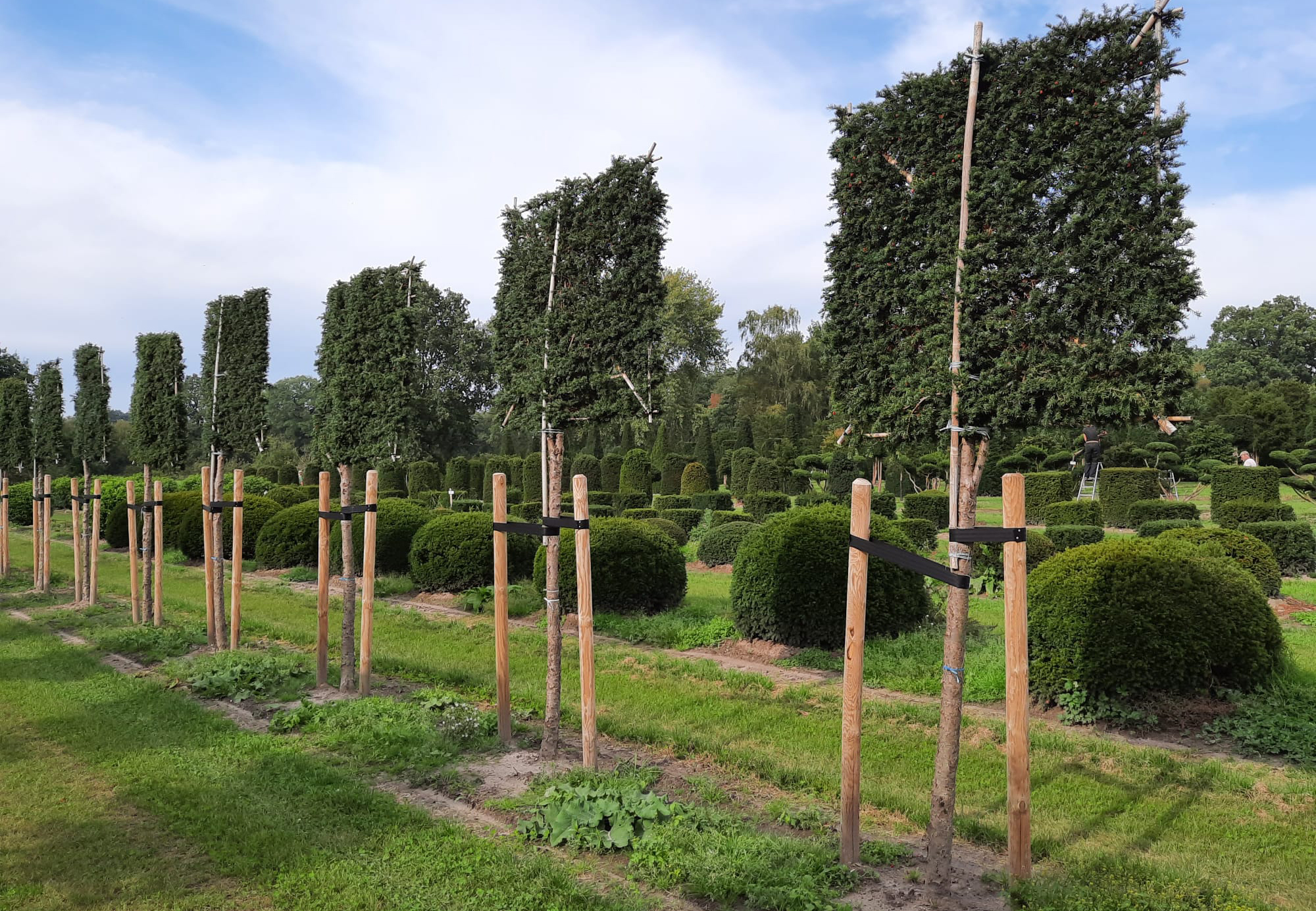
Taxus baccata 'Höpken´s Gigant' - Espalier
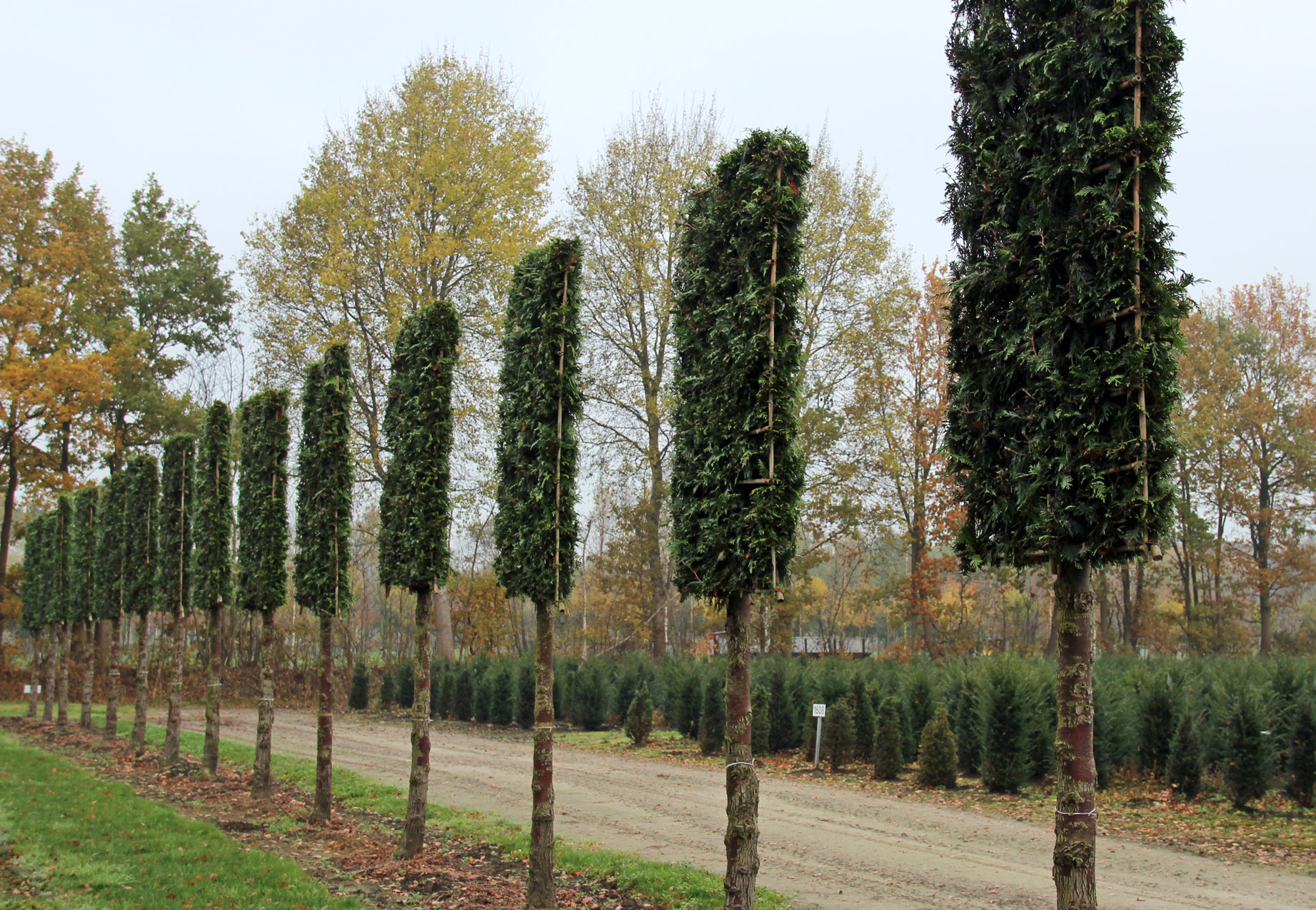
Thuja plicata 'Excelsa' - Espalier
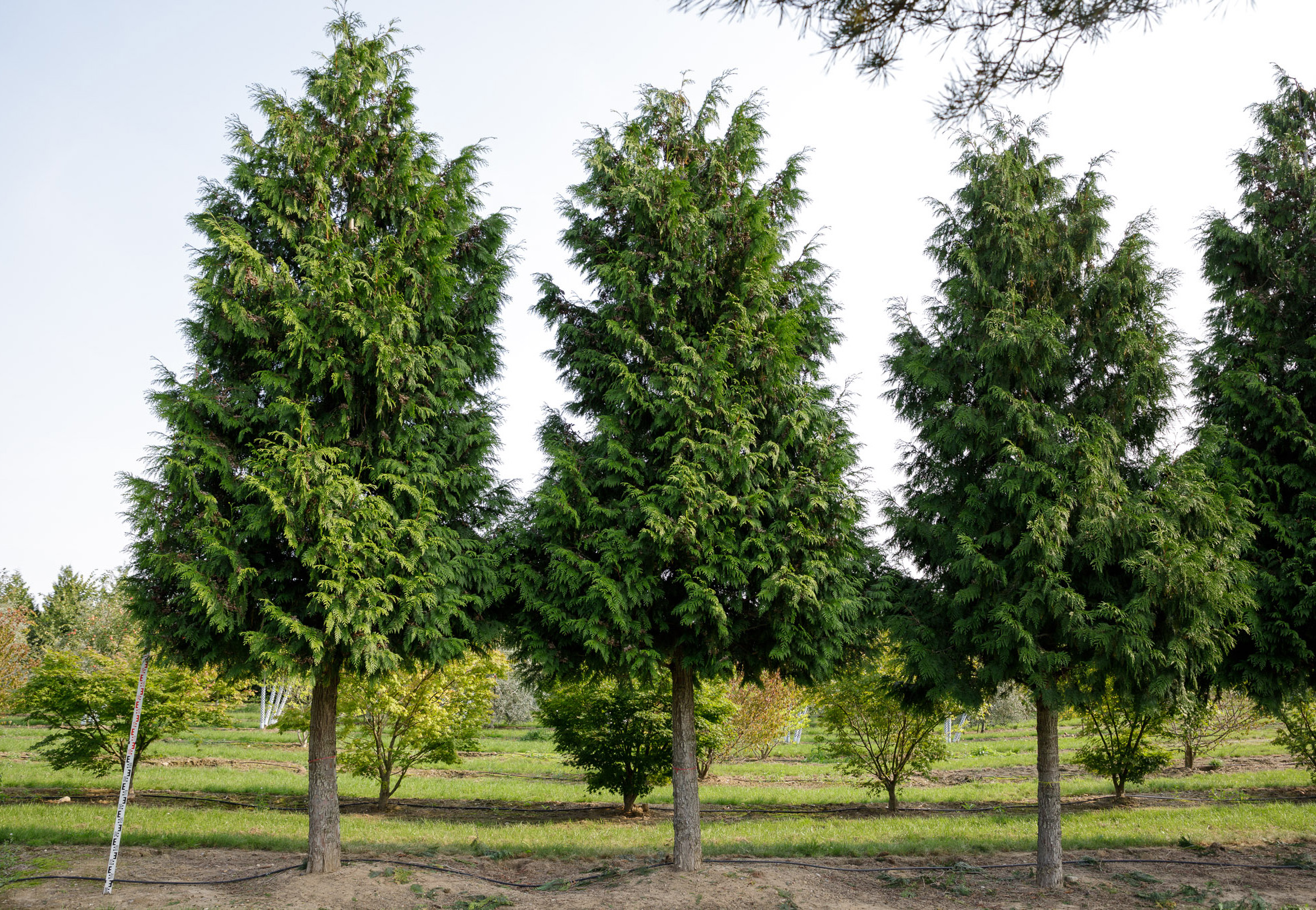
From 30-35cm Girth
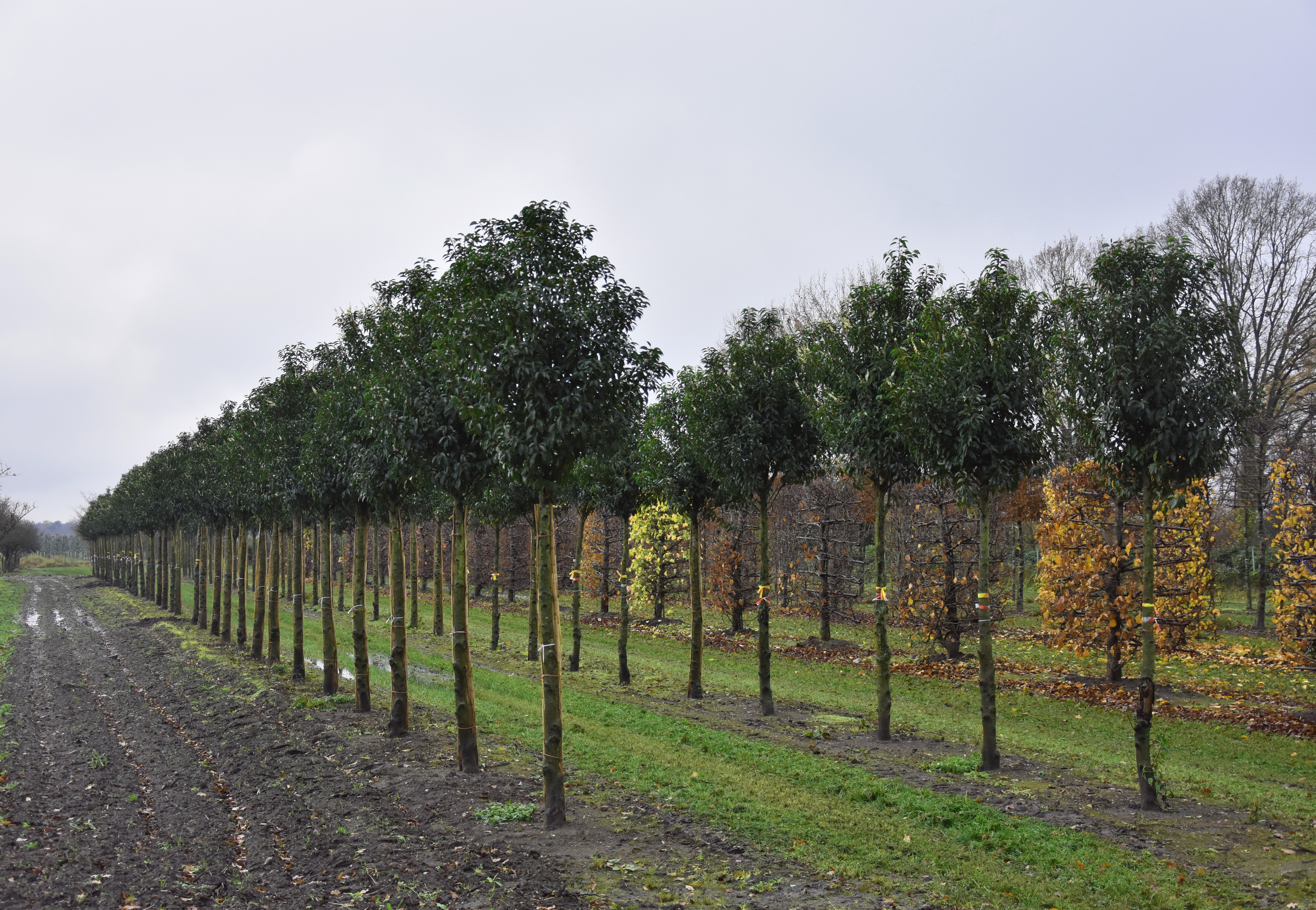
Prunus lusitanica 'Angustifolia'
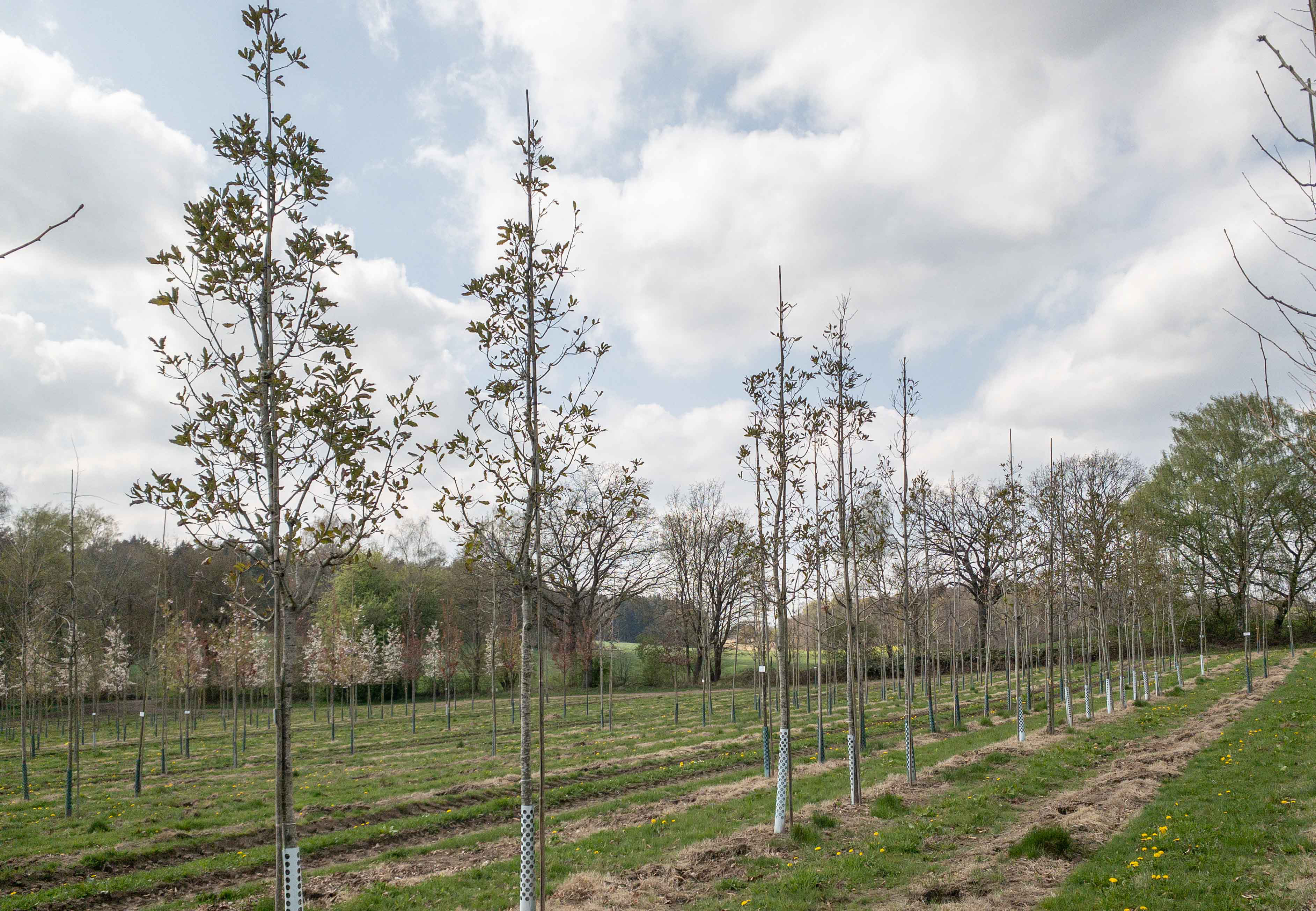
From 35-40cm Girth
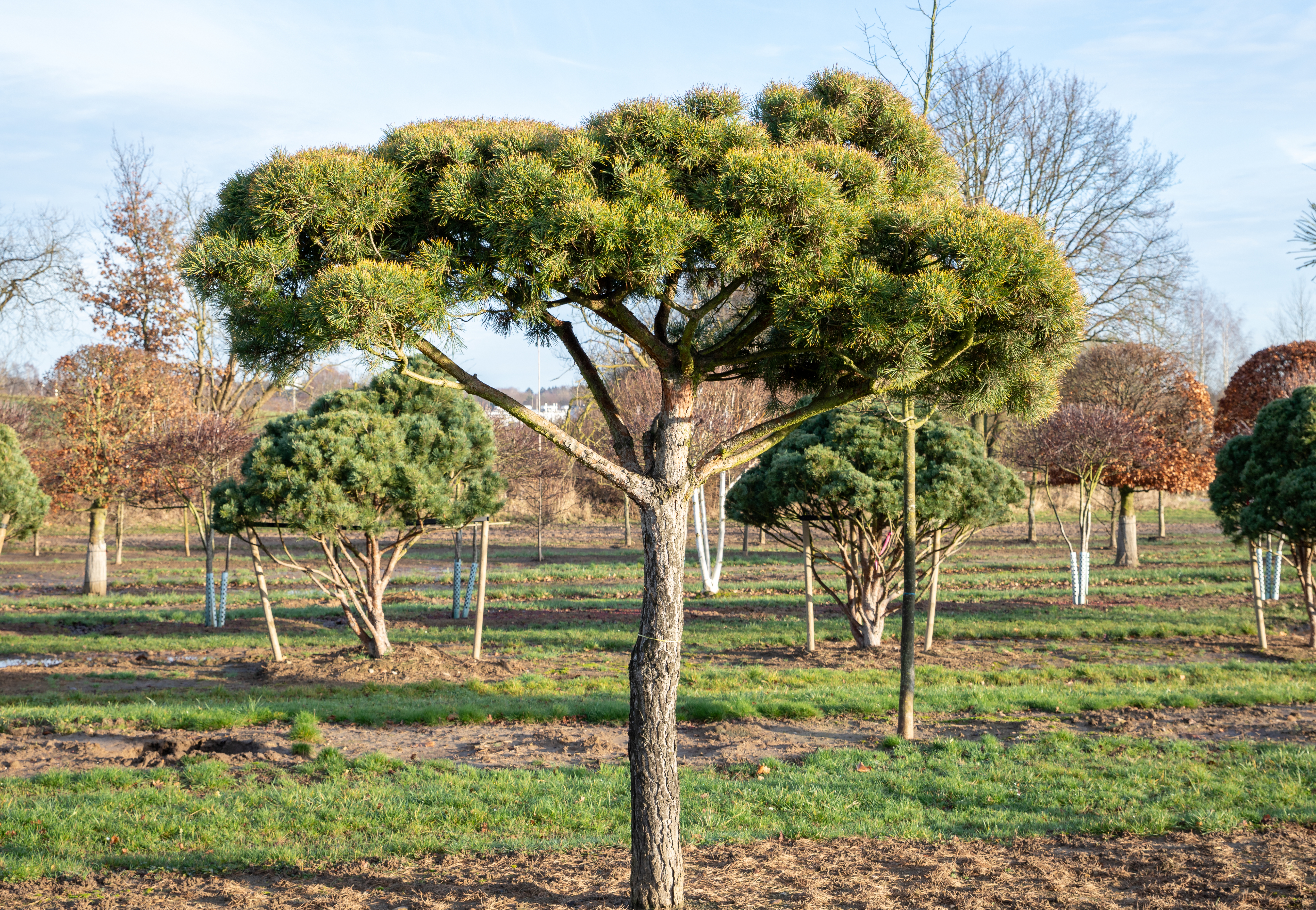
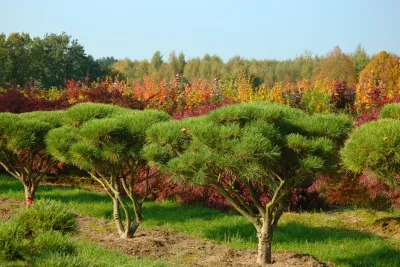
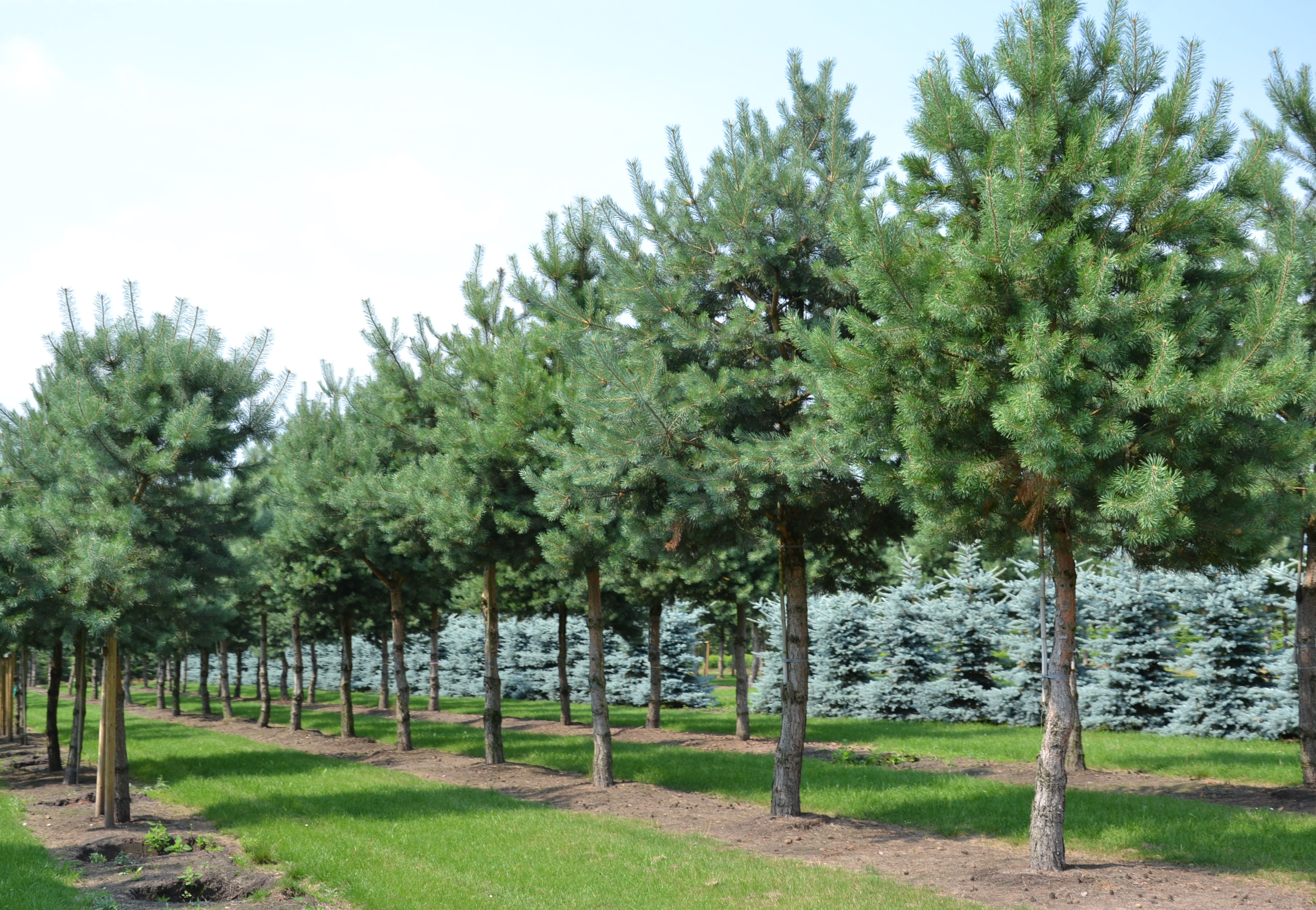
Pinus sylvestris - Pine form
From 50-60cm Girth
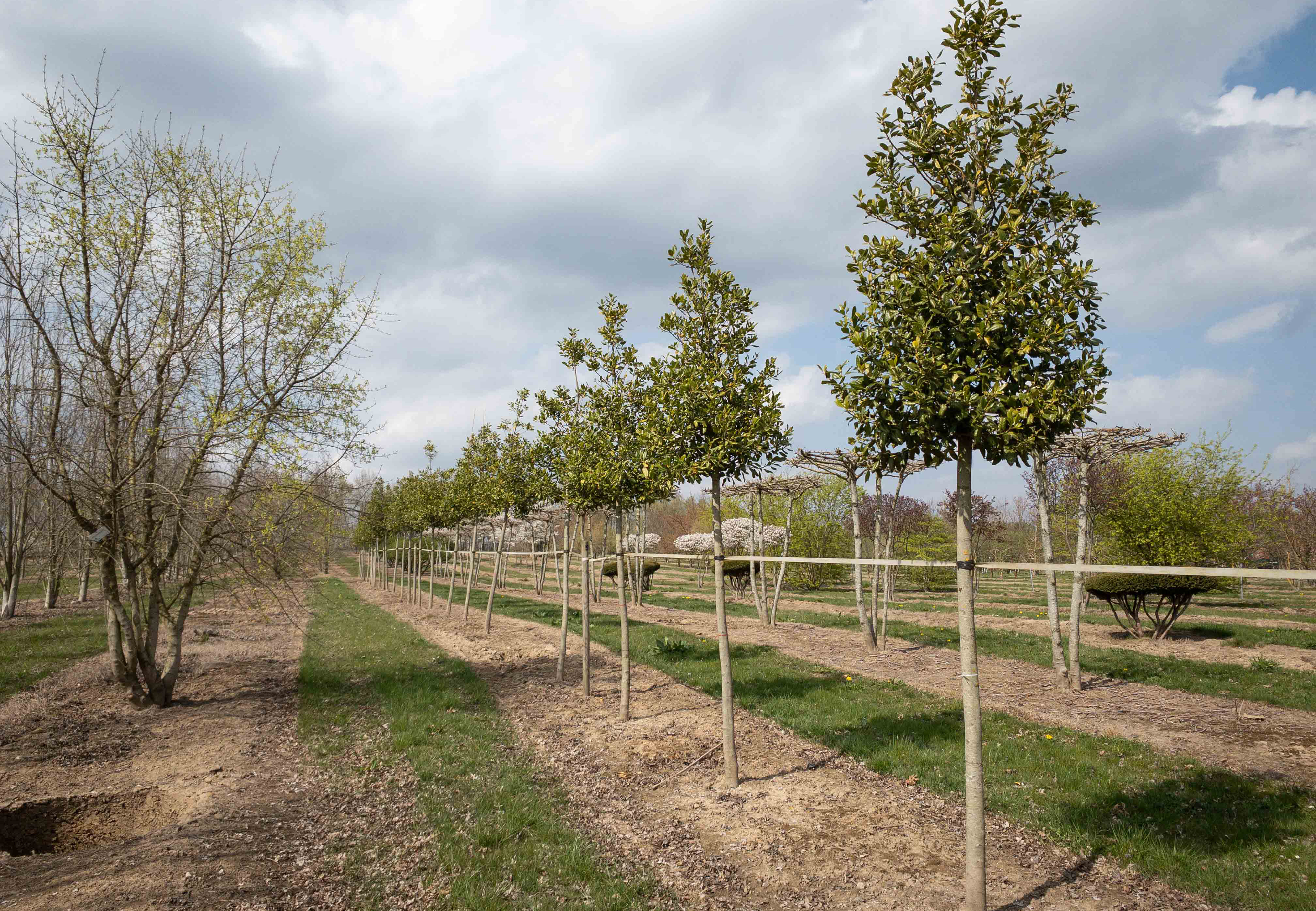
From 20-25cm Girth

„Evergreen shrubs are ideal as privacy screens. So that these plantings do not appear monotonous, they can be complemented with flowering shrubs and perennials. As is so often the case in life, it's all about the right mix."
Kerstin Abicht, Landscape architect, Lorenz von Ehren Nursery
Did you already know?
These shrubs are visually appealing, but also provide green focal points in gardens and parks in winter.
FAQ - Frequently asked questions
What needs to be considered when choosing a location? ?
In an urban environment, a site-specific selection is crucial in order to minimise care requirements. Regular watering during dry periods, root protection with mulch and occasional topiary are key measures. Controlled fertilisation in spring promotes vitality and stress resistance.
What role do evergreens play in the city?
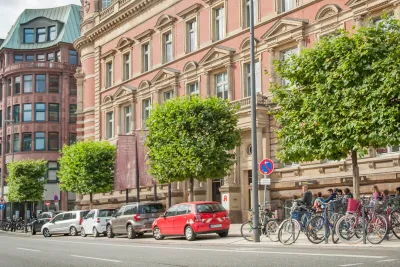
Thanks to their year-round foliage, they also provide protection against evaporation in winter and help to reduce heat islands. They are particularly suitable for locations with limited space and can contribute to rainwater infiltration in combination with permeable surfaces.
What should I bear in mind when planting and caring for my plants?
A layer of mulch helps to retain soil moisture, protects the roots and reduces the amount of care required by minimising weed growth. Compacted soil should be loosened or structurally improved. Regular checks for waterlogging or nutrient deficiencies are recommended. Ideally, structuring pruning should be carried out once a year in late winter or early spring. Depending on the species and location, a second pruning may be necessary in late summer. Pruning promotes vitality, maintains the compact shape and improves traffic safety in public spaces.
Is there any damage?
Stress caused by heat, drought or road salt can lead to brown needles/leaves or growth disorders. Fungal diseases or pest infestations occur rarely, but depend on the location. Regular visual inspection, especially after extreme weather, is important.
Contact
Kerstin Abicht
Landscape architect
phone: +49 (0) 40 7681 -0
mail: LvE(at)LvE.de