





_400x400.webp "Gehölztrends 2025: Kaiser-Linde, Vogelkirsche, Hainbuche und mehr")



 Contact
Exclusive garden gems
Special trees and shrubs for your dream garden!
Are you looking for that special something for your green building projects? Beyond the standard, there is a world full of botanical treasures that delight with spectacular flowers, unusual bark or bright autumn colours. In this article, we present eight hand-picked solitary trees – from the ‘bee tree’ to the ‘cinnamon maple’ – that will transform your garden into something truly unique.
Brief description
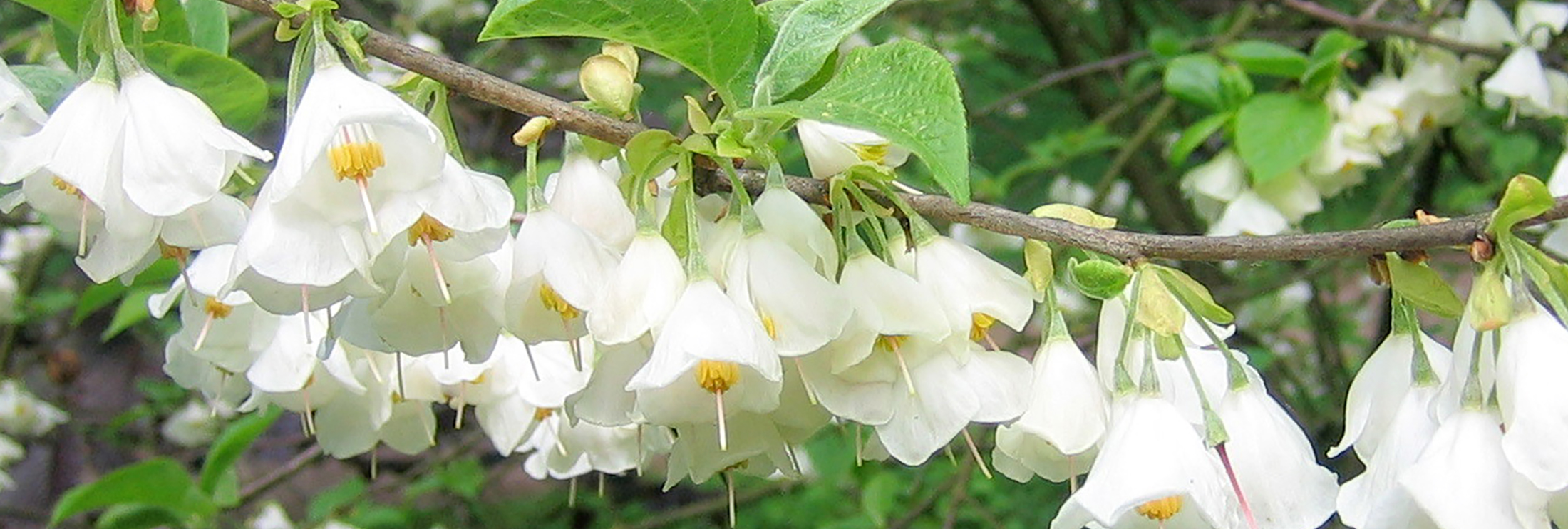
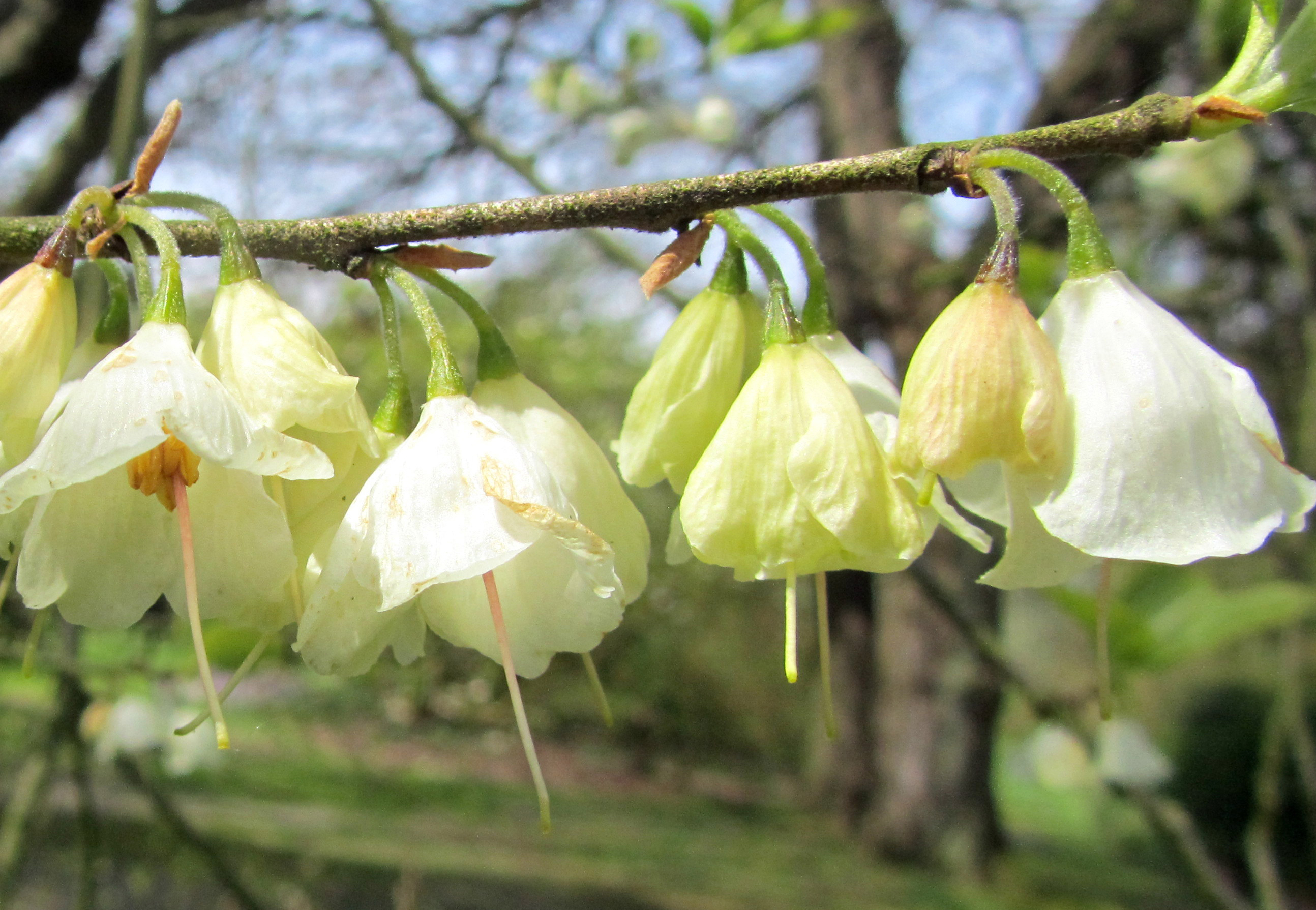
1. Halesia carolina – The snowdrop tree
A true romantic among ornamental shrubs. The lily of the valley bush lives up to its name in May, when countless white bell-shaped flowers hang from its branches.
• Highlight: The delicate flowers look like floating snowdrops.
• Location: Protected, partial shade, humus-rich soil.
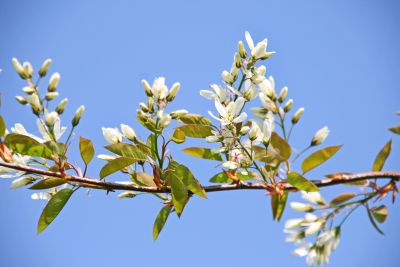
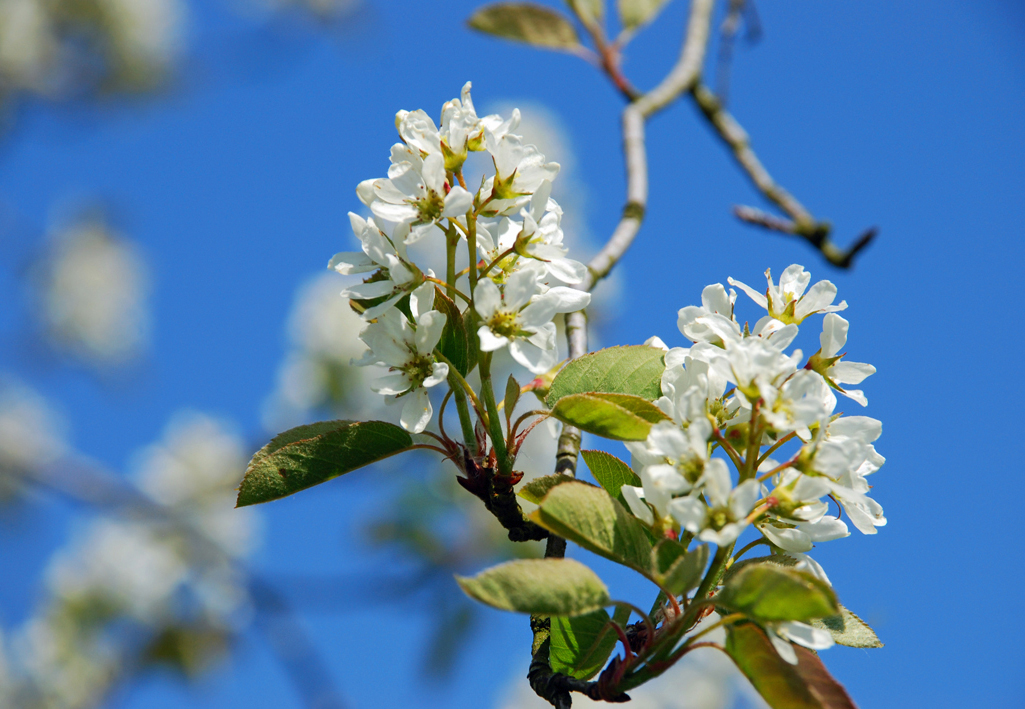
2. Amelanchier 'Ballerina' – The elegant rock pear tree
The “Ballerina” variety impresses with its particularly large flowers and picturesque growth habit.
• Highlight: The “Ballerina” variety impresses with its particularly large flowers and picturesque growth habit.
• Location: Sunny to partial shade, very easy to care for.
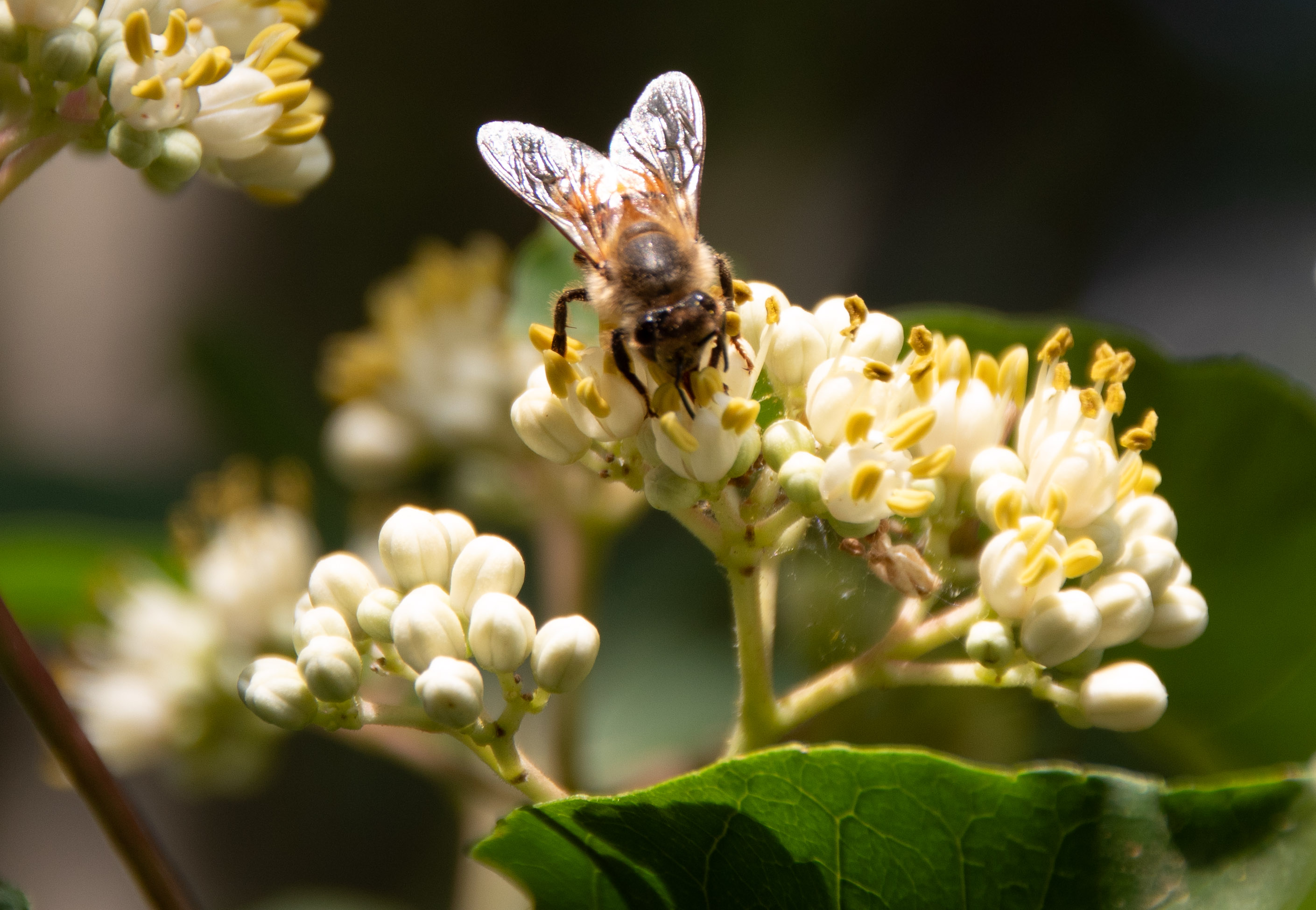
3. Tetradium daniellii hupehensis – The bee tree
Formerly often referred to as Euodia hupehensis, this tree is a must-see for nature lovers.
• Highlight: When it blooms in late summer, there is hardly any other shrub that is more beneficial to insects. The scent is intoxicating!
• Location: Sunny, nutrient-rich.
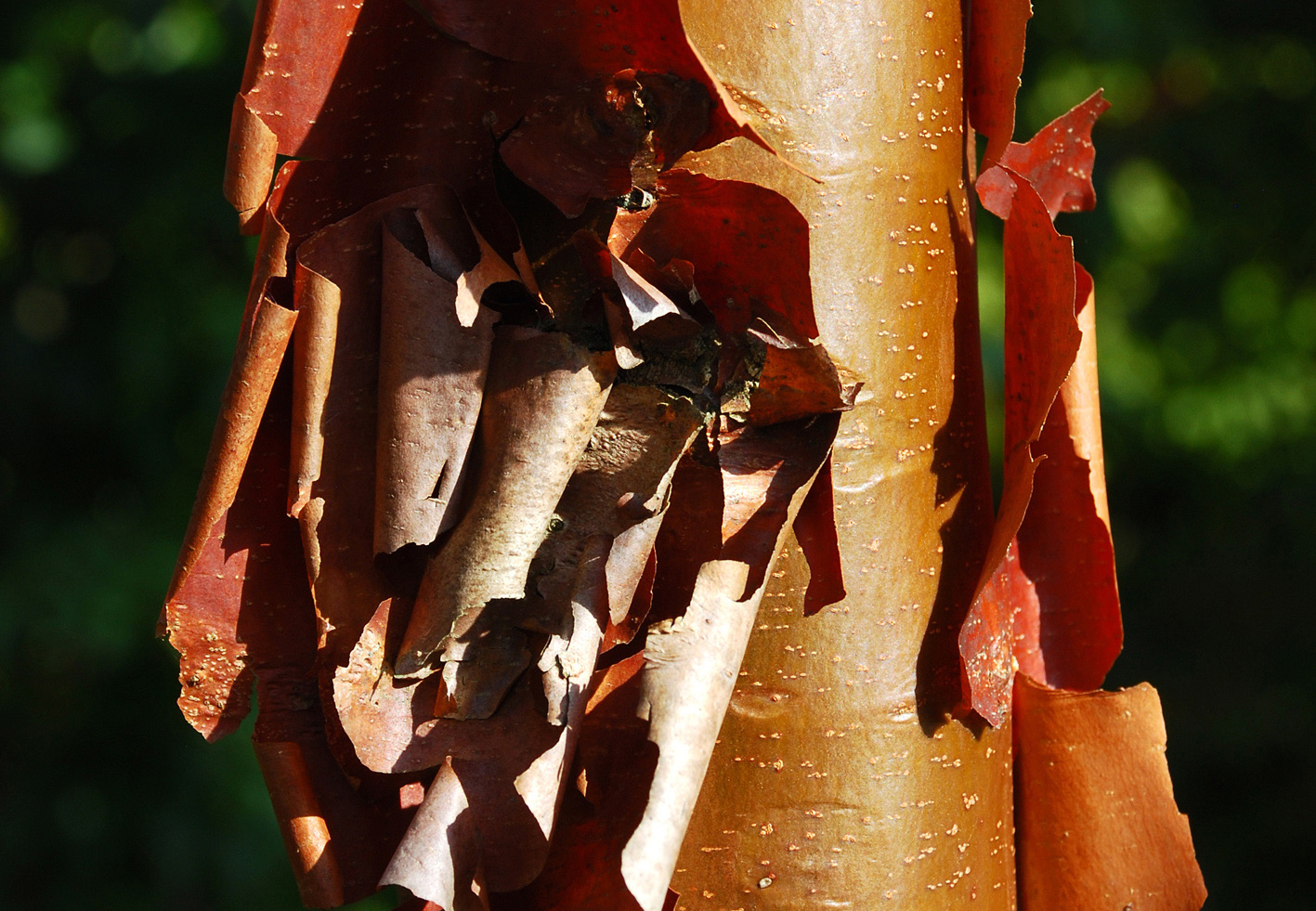
4. Acer griseum – The cinnamon maple
One of the most beautiful small-growing maples ever. Why? Because of its bark!
• Highlight: The cinnamon-brown bark peels off like paper – a spectacular sight, especially in winter.
• Location: Standalone position to show off the bark.
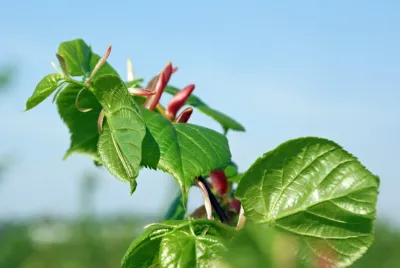
5. Euonymus yedoensis – The large-fruited spindle tree
Forget the common spindle tree. The yedoensis variety goes one better.
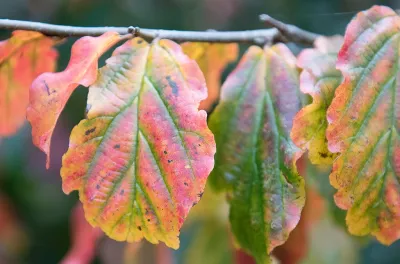
• Highlight: Huge, pinkish-red capsule fruits and autumn colours that glow almost unrealistically.
• Location: Undemanding, works best when planted alone.
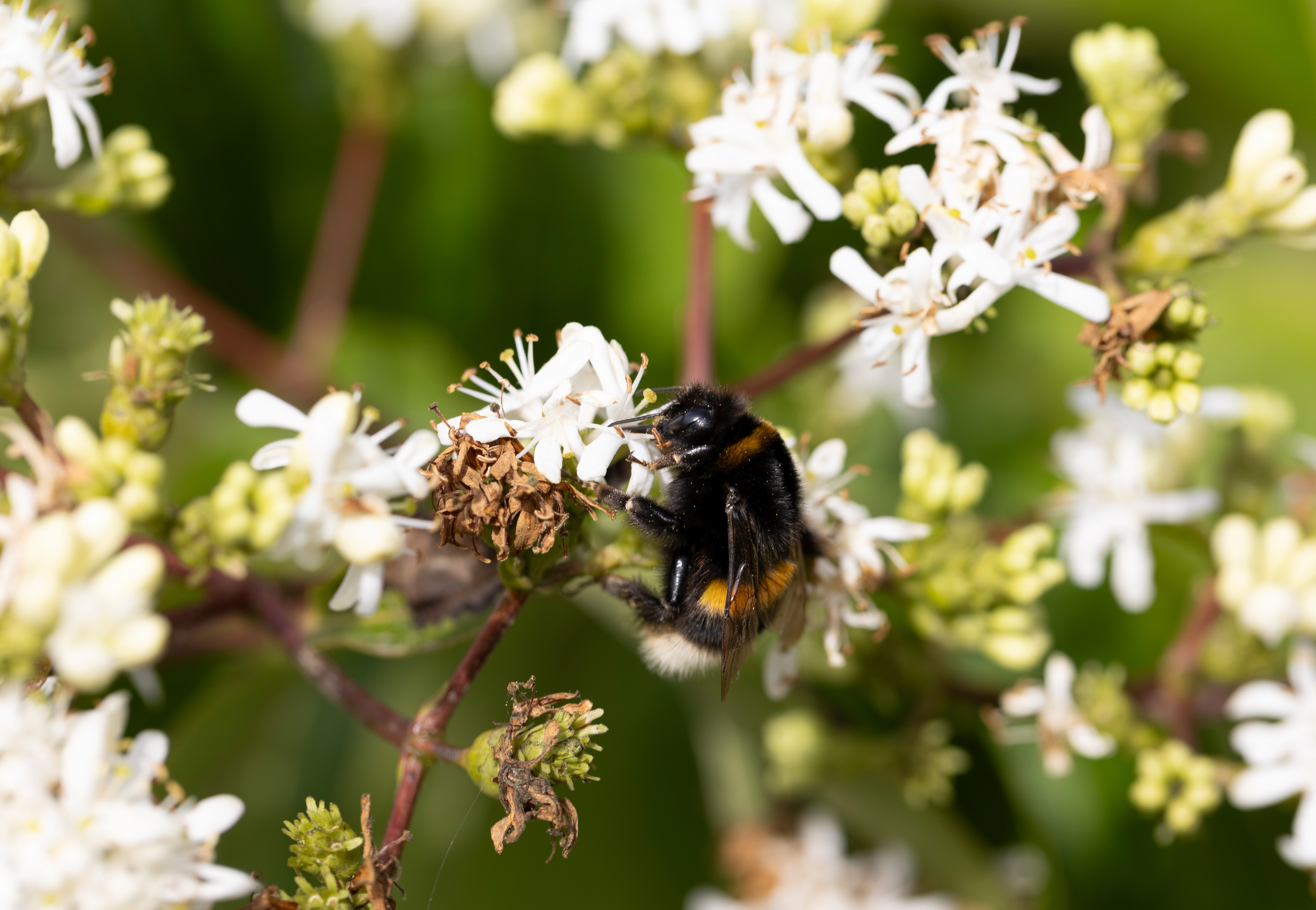
6. Heptacodium miconioides – The Seven Sons of Heaven Shrub
An insider tip for the late summer garden. It blooms when almost everything else has already faded.
• Highlight: First white flowers appear, then the sepals turn purple-red – a second ‘flowering effect’!
• Location: Sunny, tolerates dry conditions quite well.
7. Quercus x warei 'Long' – The columnar oak 'Regal Prince'
This cross combines the robustness of the two-tone oak with the slender shape of the columnar oak.
• Highlight: Resistant to mildew and with a beautiful, narrow silhouette, perfect for smaller gardens or driveways.
• Location: Sunny, very tolerant of different locations.
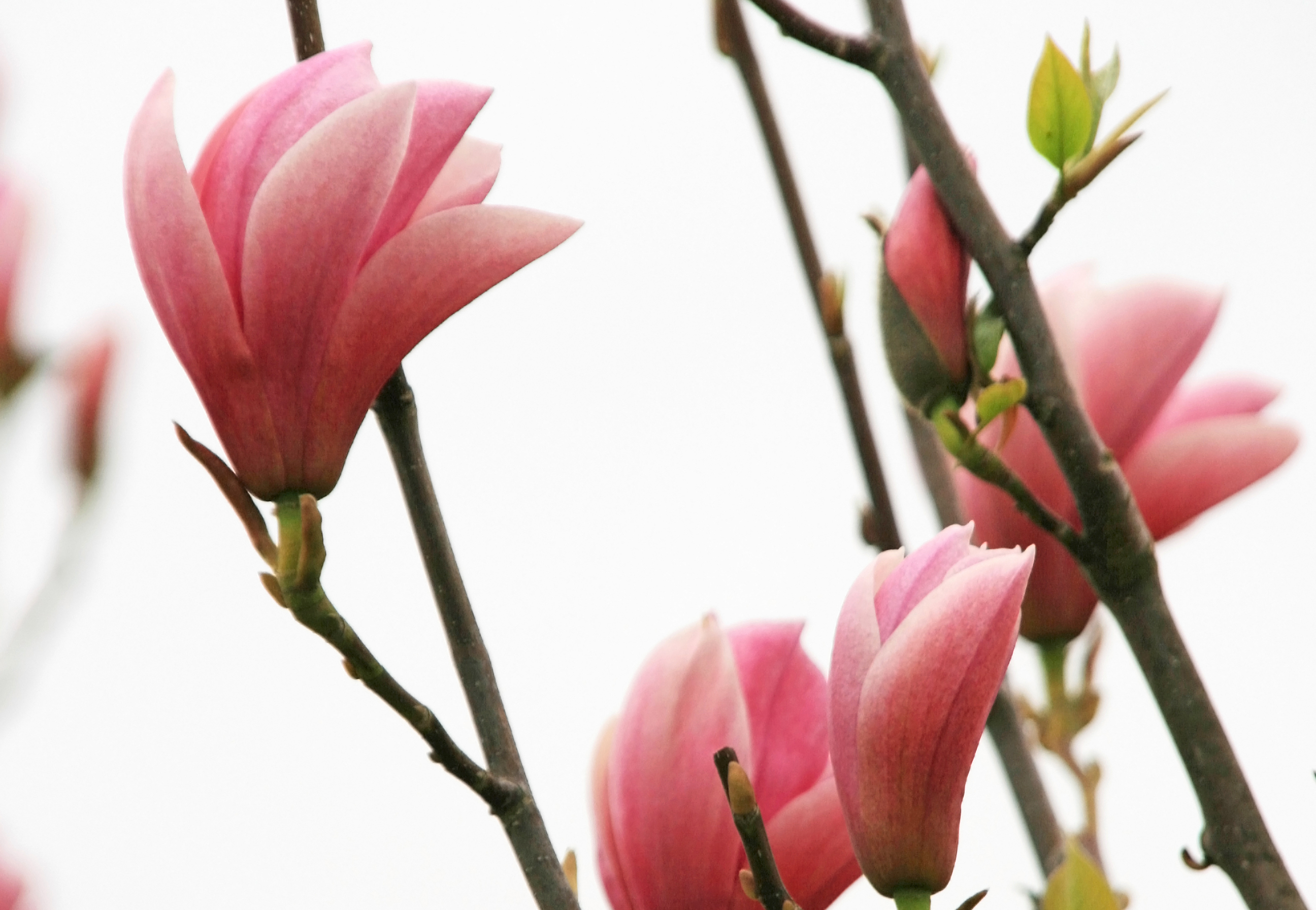
8. Magnolia 'Heaven Scent' – The fragrant magnolia
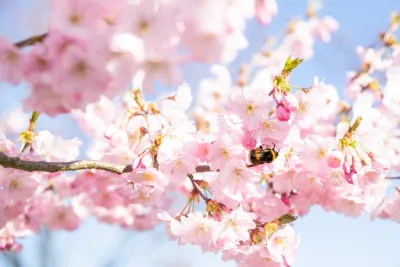
The name says it all: “Heavenly Fragrance”. This magnolia captivates with its large, cup-shaped flowers in delicate pink.
• Highlight: Unlike many other varieties, the flowers of this magnolia have an intense and sweet fragrance.
• Location: Sunny, slightly acidic soil, sheltered from the wind.

,,Those who choose trees and shrubs such as cinnamon maple or bee tree are investing in longevity and ecological value. These plants are not only visually appealing, but also often provide food for native wildlife."
Simone von Ehren, Sales, Lorenz von Ehren Nursery
Our uniques
Among our unique items, you will find beautiful one-off pieces from our tree range.
Pro tip for lily of the valley bushes
In spring, use a thick layer of bark humus (instead of coarse bark mulch). This keeps the soil in the critical ‘fresh’ range, slightly acidifies it and prevents the nutrient-rich topsoil from crusting over in hot weather.
FAQ - Frequently asked questions
Which of these trees is best suited for small gardens?
The cinnamon maple (Acer griseum) and the seven sons of heaven shrub (Heptacodium miconioides) are particularly ideal. Both grow slowly and remain compact. While the cinnamon maple captivates with its rolling bark, the Heptacodium offers late flowering in August/September, when most other woody plants have already finished flowering.
.
Which species are particularly valuable for bees and insects?
The bee tree (Tetradium daniellii hupehensis) is the absolute frontrunner here. It produces an extremely large amount of nectar at a time (late summer) when food supplies for bees are becoming scarce. The rock pear “Ballerina” (Amelanchier) is also an important first source of food for pollinators in spring.
What kind of soil does the snowdrop tree (Halesia carolina) need?
Halesia carolina prefers humus-rich, nutrient-rich and rather acidic to neutral soils. It is important to maintain even moisture levels (‘fresh’), but waterlogging must be avoided at all costs. A semi-shaded, wind-protected location is ideal for ensuring that the delicate bell-shaped flowers remain intact for a long time.
What is so special about the “Ballerina” rock pear?
Compared to the wild variety, the “Ballerina” variety offers particularly large, snow-white clouds of blossoms and exceptionally tasty, sweet fruits that can be eaten straight from the tree. It is also known for its spectacular purple-red autumn colouring.
When does the “Heaven Scent” magnolia bloom, and is it sensitive to frost?
'Heaven Scent' blooms in April/May with large, cup-shaped flowers that are pink on the outside and almost white on the inside. As the name suggests, they have a wonderful fragrance. Like all magnolias, it prefers a sheltered spot, but is fully frost-hardy. Only late night frosts can cause the flowers that have already opened to turn brown.
Contact
Simone von Ehren
Sales
Fon: +49 (0) 40 7681 -0
email: LvE(at)LvE.de