






_400x400.webp "Gehölztrends 2025: Kaiser-Linde, Vogelkirsche, Hainbuche und mehr")



 Contact
Malus hybrids - Crab apples
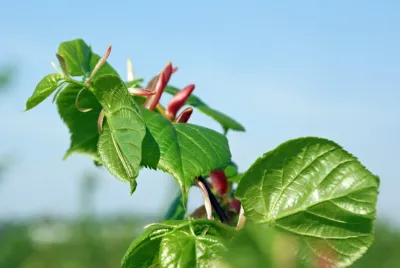
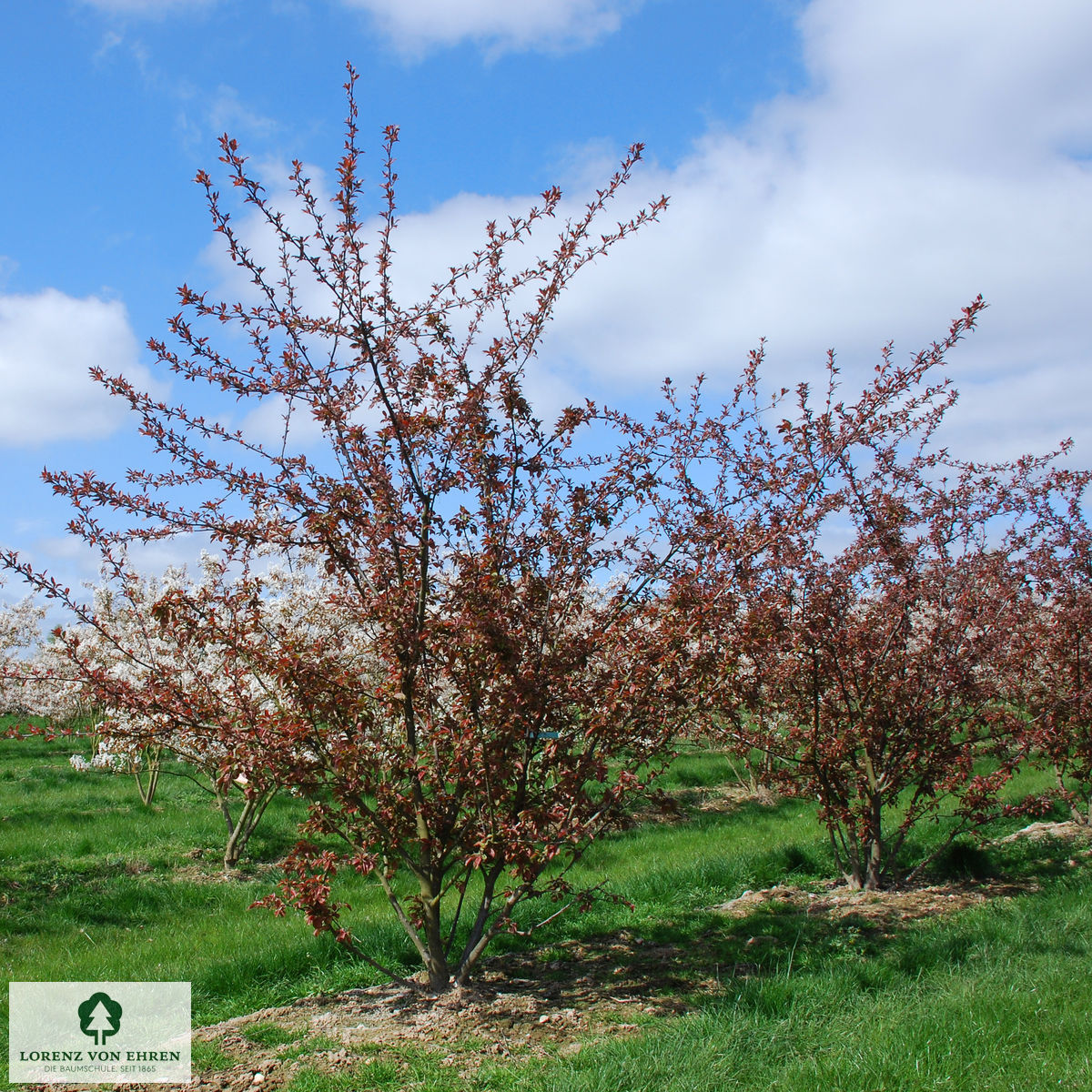
The genus Malus, which is native to the northern hemisphere, comprises 30 species. This has resulted in the immense abundance of fruit varieties and ornamental forms. Only a few wild species are available, as they have a rather modest appearance compared to the ornamental apples. What the plant lover encounters in woods and field hedges as supposedly natural forms are mostly feral seedlings of fruit varieties
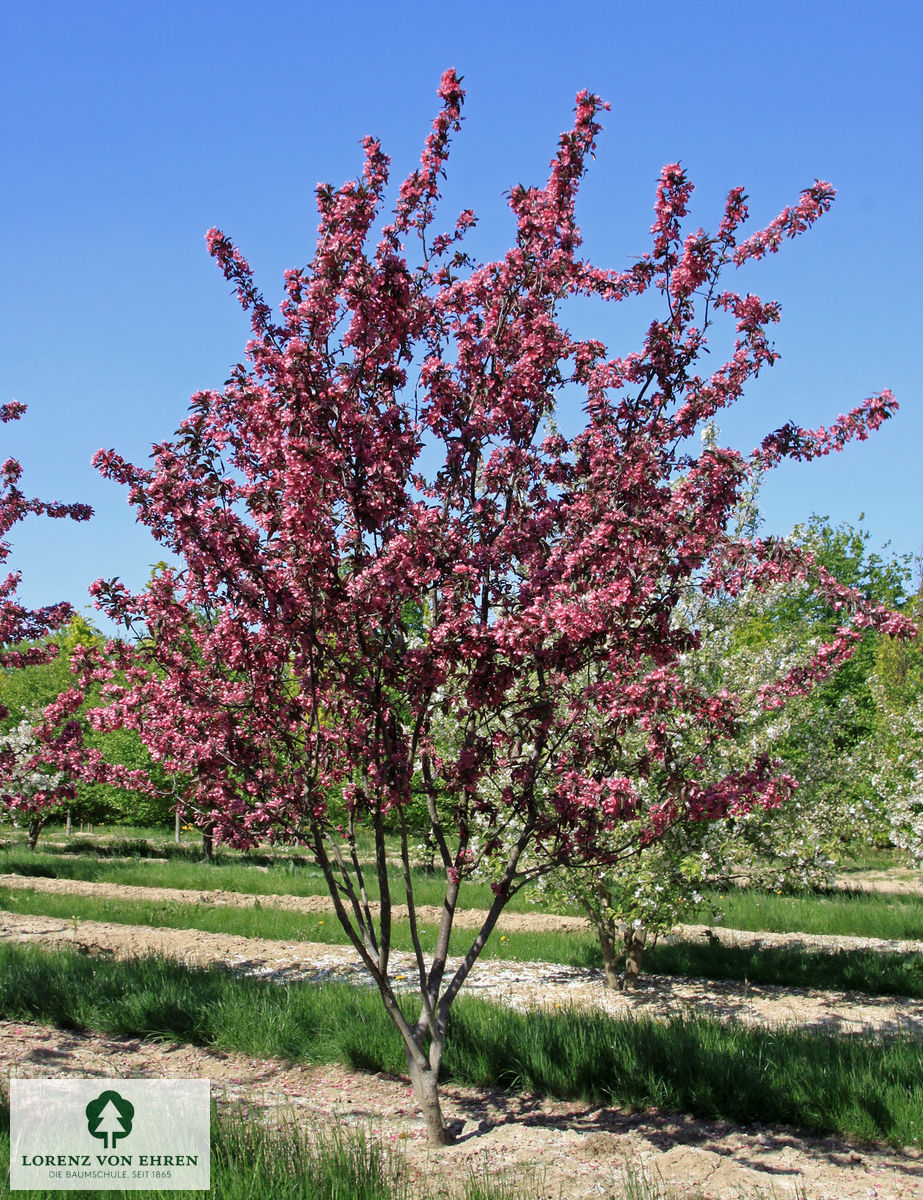
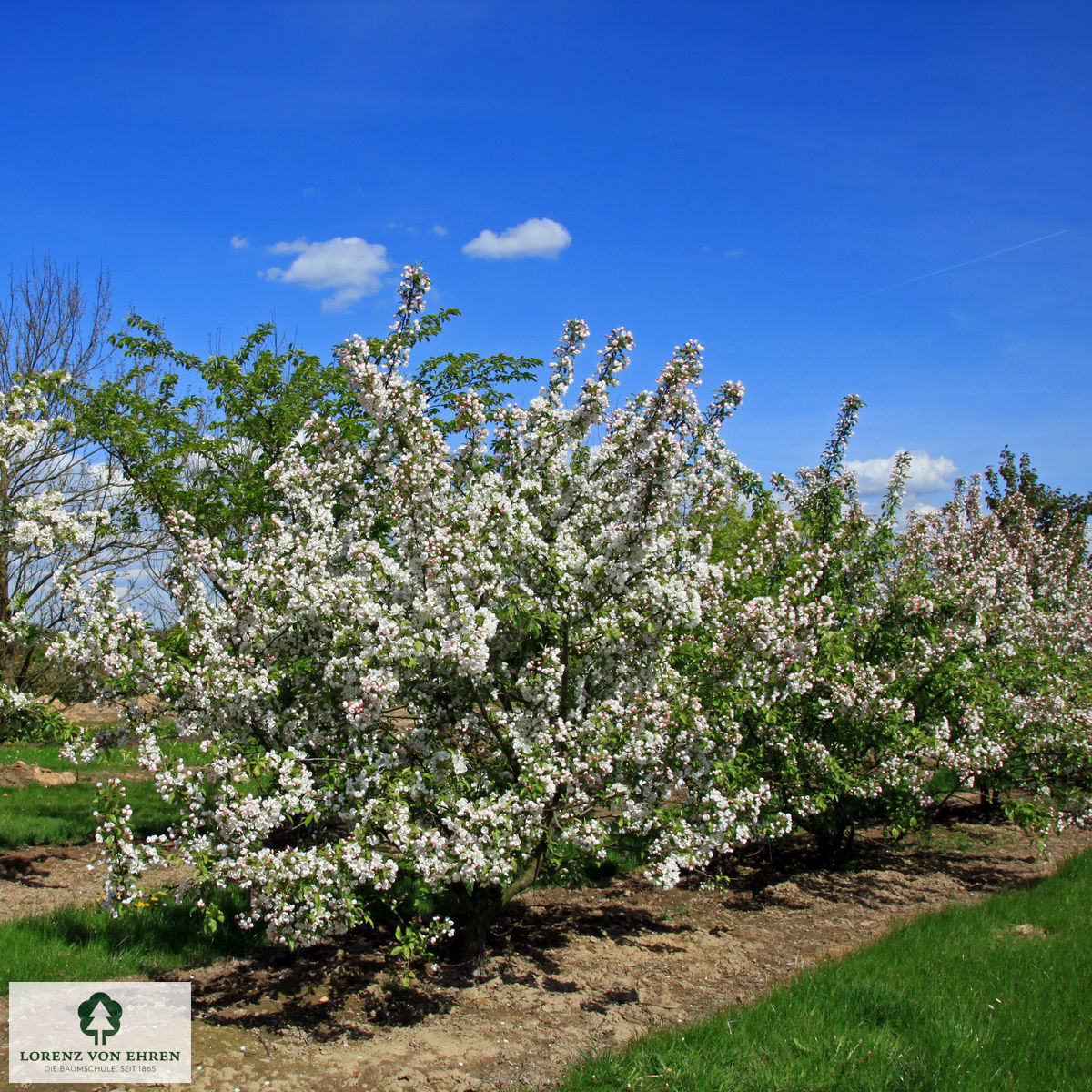
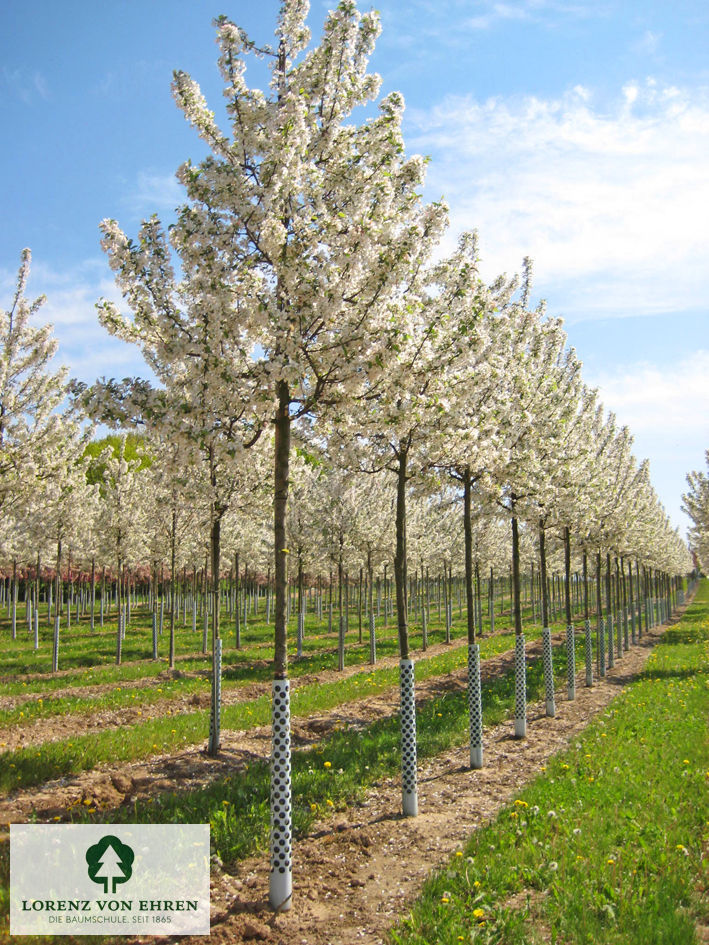
The exact number of hybrids cannot be stated, but estimates range from 700-800. Cultivators in the USA have been especially concerned with improving the assortment. Their profuse flowers, pleasantly sweet fragrance, various habits, and colourful autumn fruit are impressive.
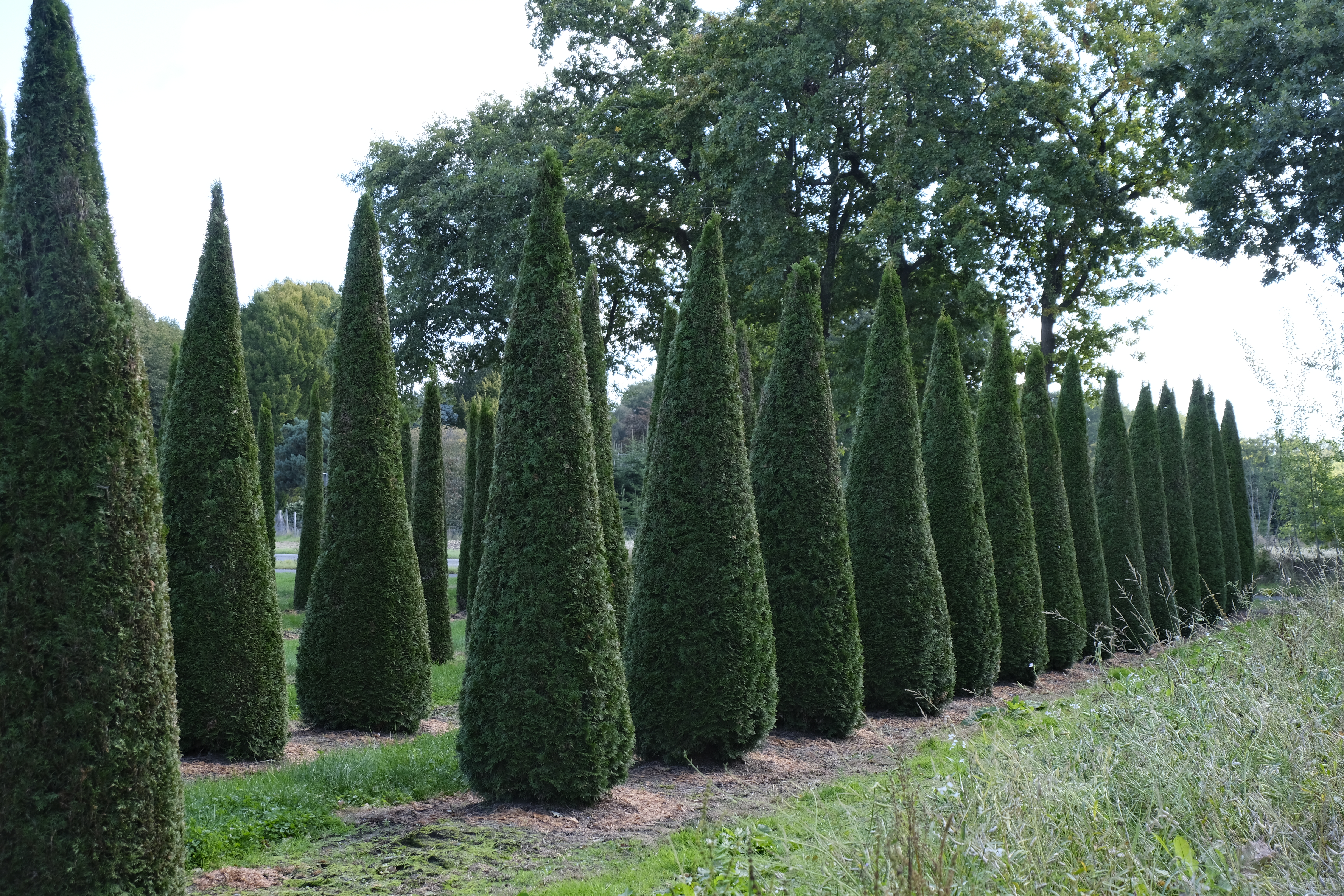
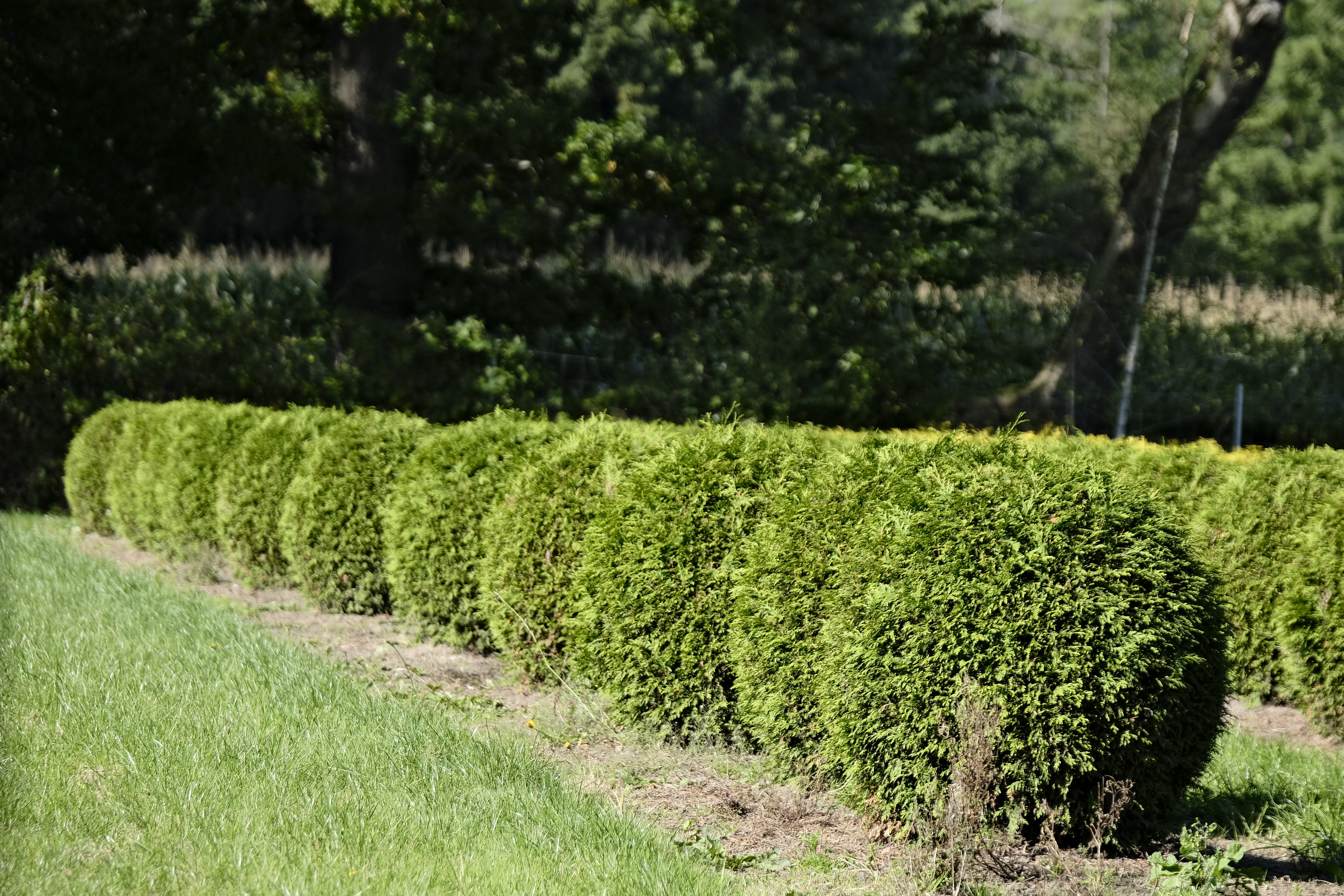
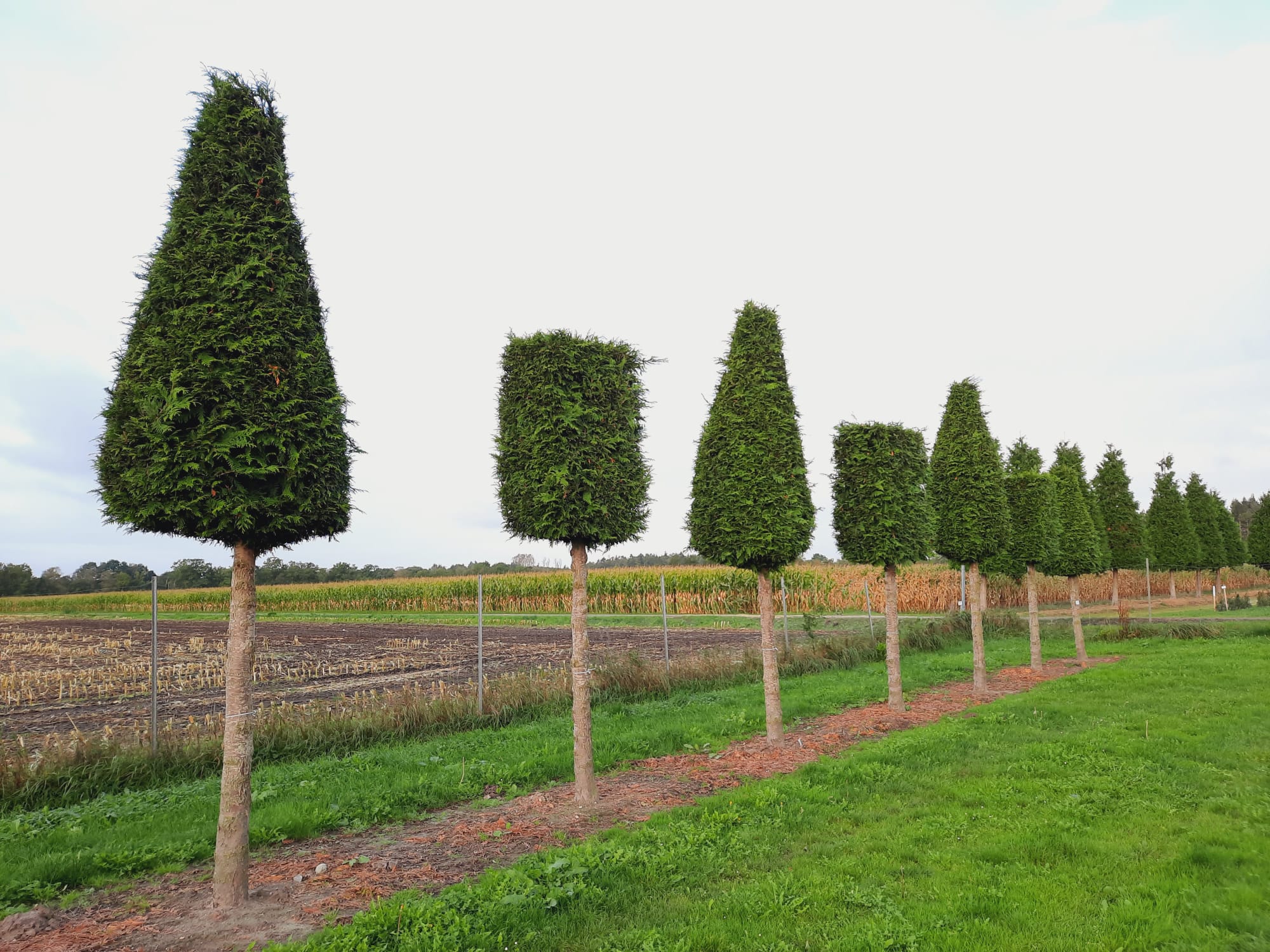
Sortenübersicht
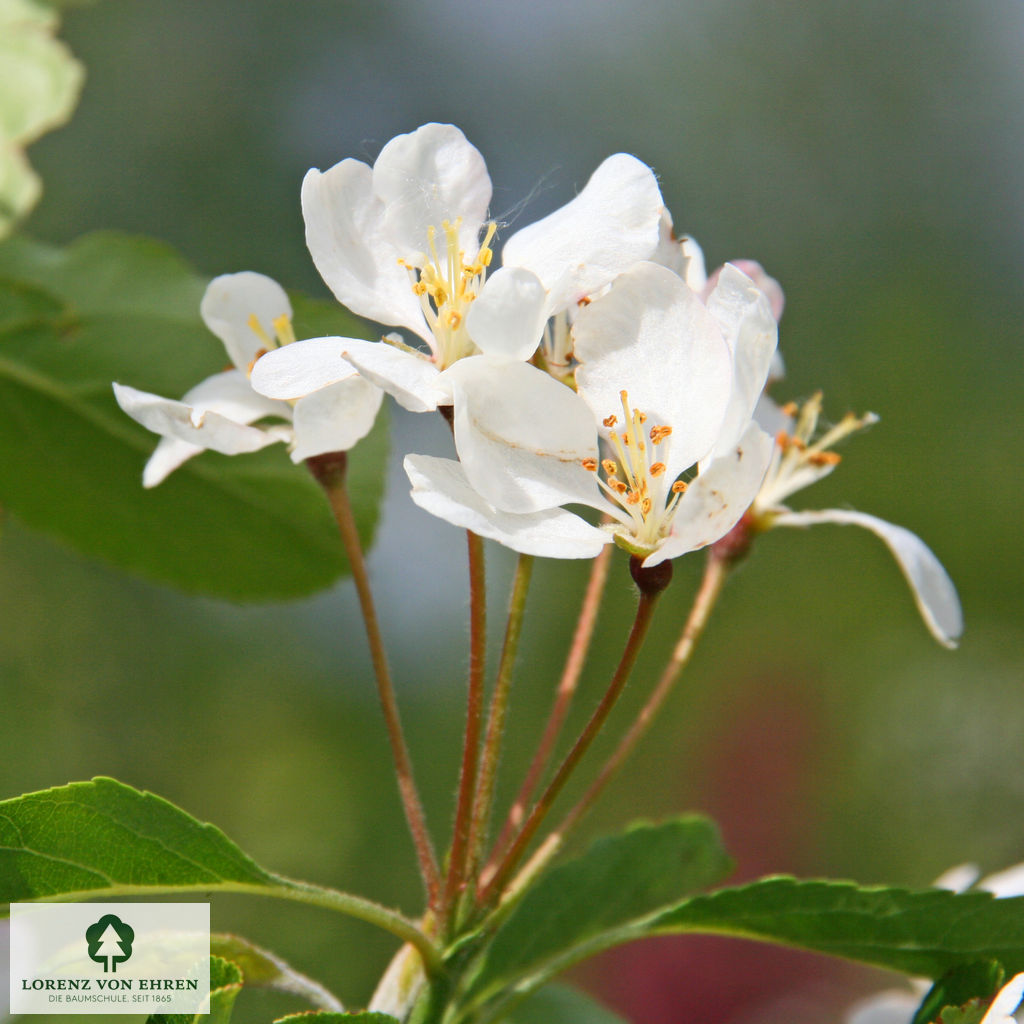
Malus hybrids, white - flowering
| Sorte | Wuchsklasse | Wuchsform | Benadelung |
| Occidentalis | Mittelgroßer Baum | Kegelform | Dunkelgrün |
| Occidentalis 'Brabant' | Mittelgroßer Baum | Kegelform | Dunkelgrün |
| Occidentalis 'Columna' | Kleinbaum | Säulenform | Dunkelgrün |
| Occidentalis 'Danica' | Klein- und Zwergstrauch | Kegelform/Kugelform | Hell- oder frischgrün |
| Occidentalis 'Europe Gold' | Groß- und Normalstrauch | Kegelform | Goldgelb oder gelbgrün |
| Occidentalis 'Holmstrup' | Groß- und Normalstrauch | Kegelform/Säulenform | Hell- oder Frischgrün |
| Occidentalis 'Smaragd' | Groß- und Normalstrauch | Kegelform | Hell- oder Frischgrün |
| Occidentalis 'Sunkist' | Groß- und Normalstrauch | Kegelform | Goldgelb oder gelbgrün |
| Occidentalis 'Tiny Tim' | Klein- und Zwergstrauch | Kegelform/Kugelform | Hell- oder Frischgrün |
| Occidentalis 'Woodwardii' | Klein- und Zwergstrauch | Kugelform | Sattgrün |
| Orientalis 'Pyramidalis Aurea' | Groß- und Normalstrauch | Kegelform/Säulenform | Goldgelb oder gelbgrün |
| Plicata 'Atrovirens' | Mittelgroßer Baum | Kegelform | Dunkelgrün |
| Plicata 'Aurescens' | Kleinbaum | Kegelform | Goldgelb oder gelbgrün |
| Plicata 'Excelsa' | Mittelgroßer Baum | Kegelform | Hell- oder Frischgrün |
| Standishii | Kleinbaum | Kegelform | Mattgrün |
Our Malus hybrids


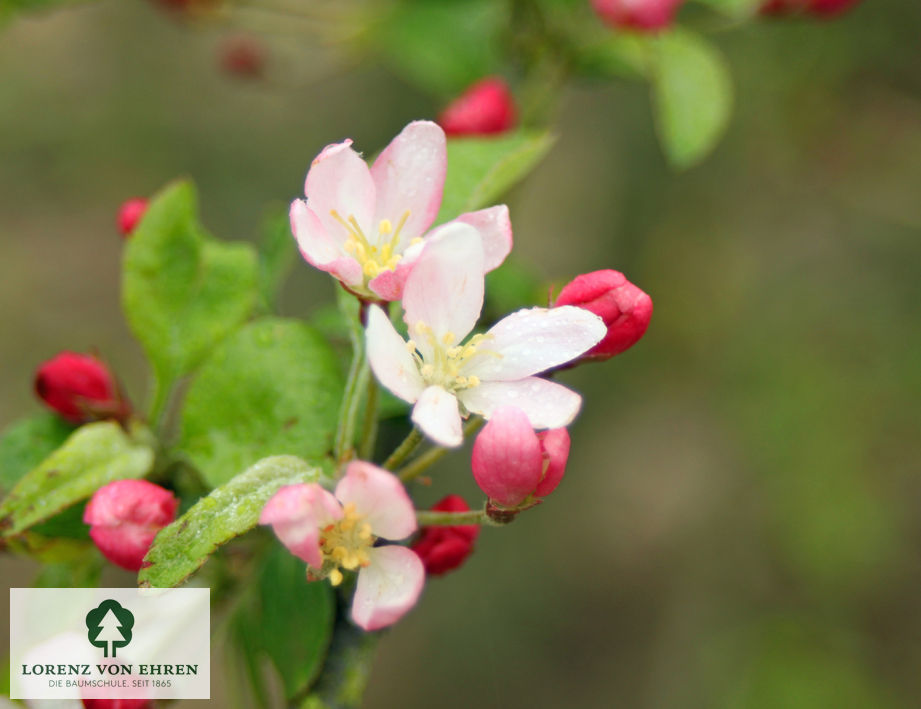
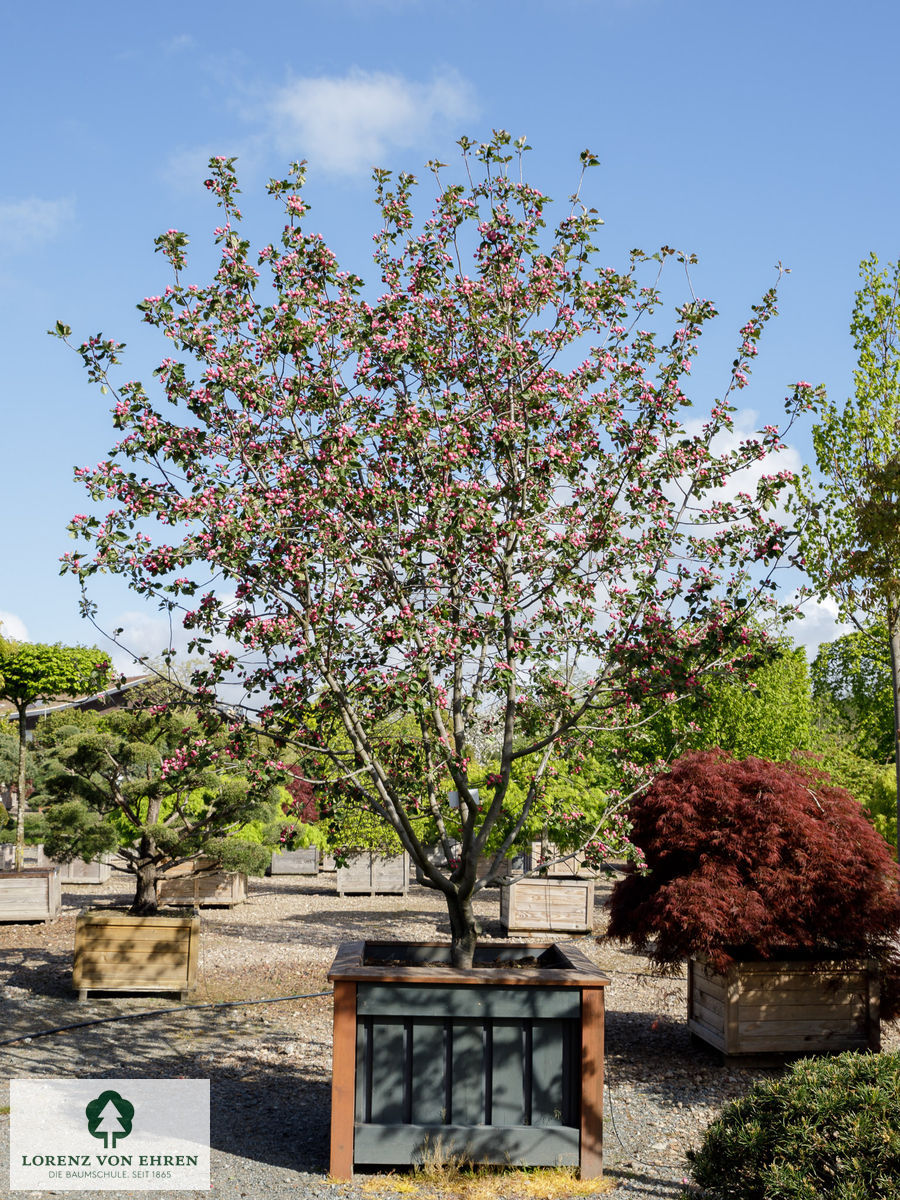


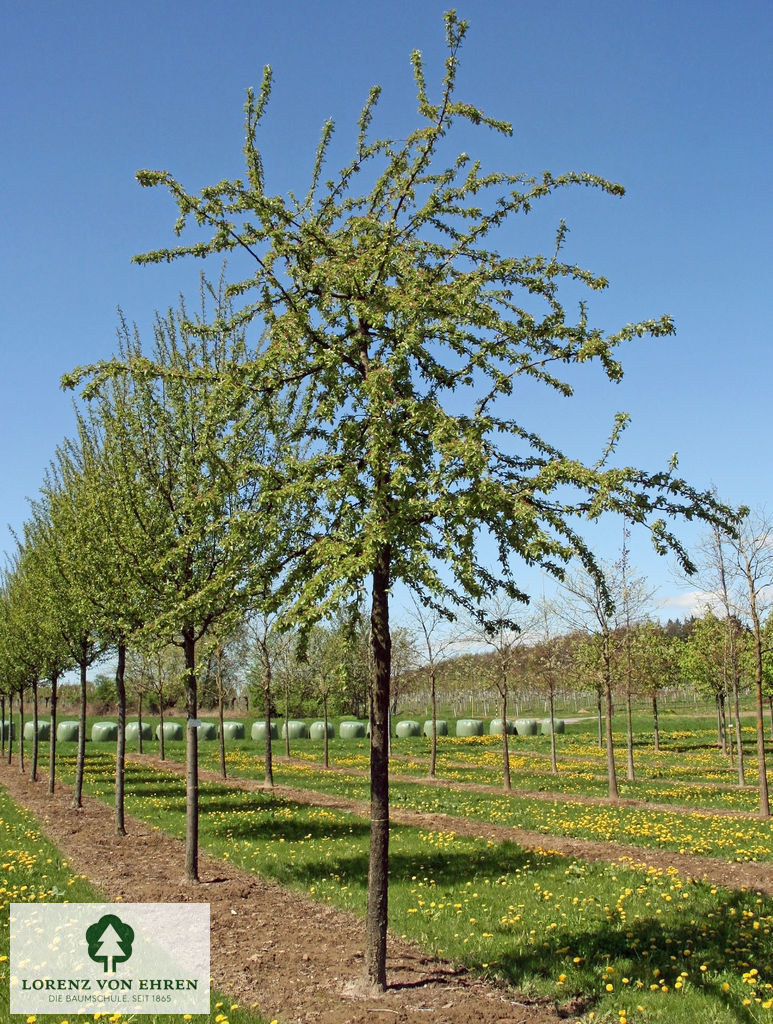
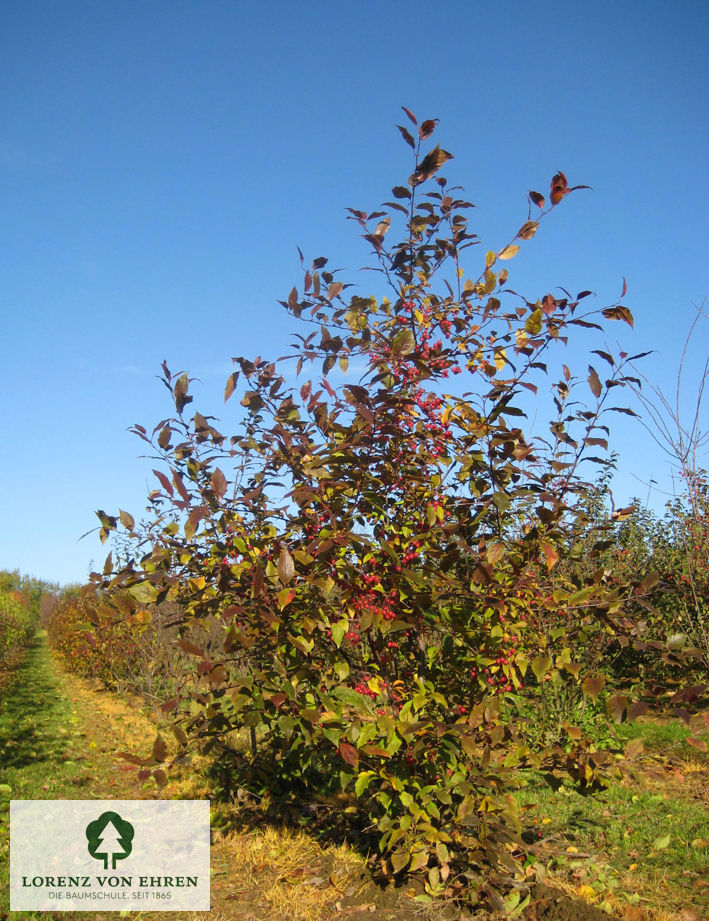

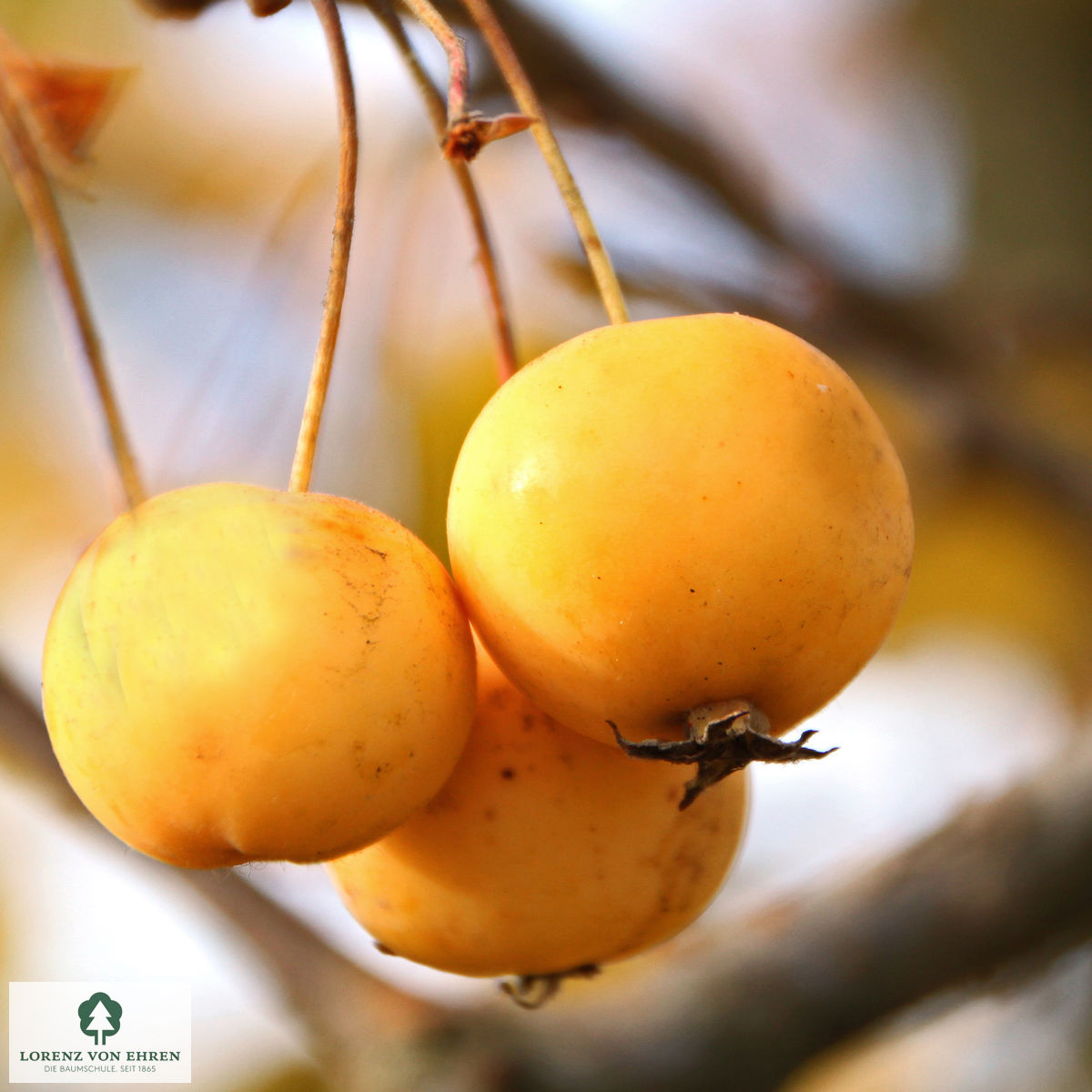
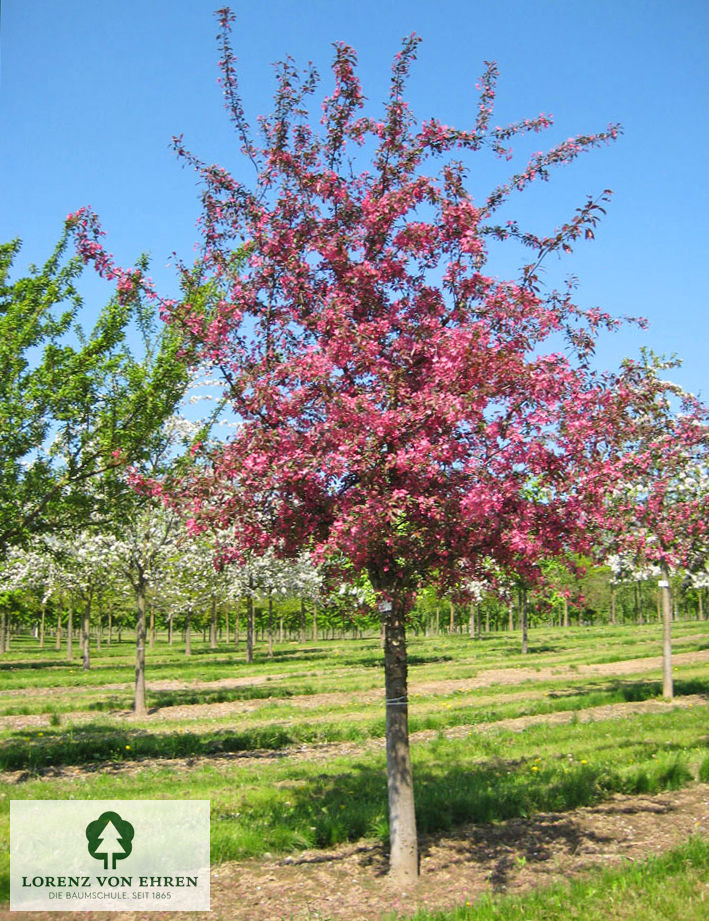
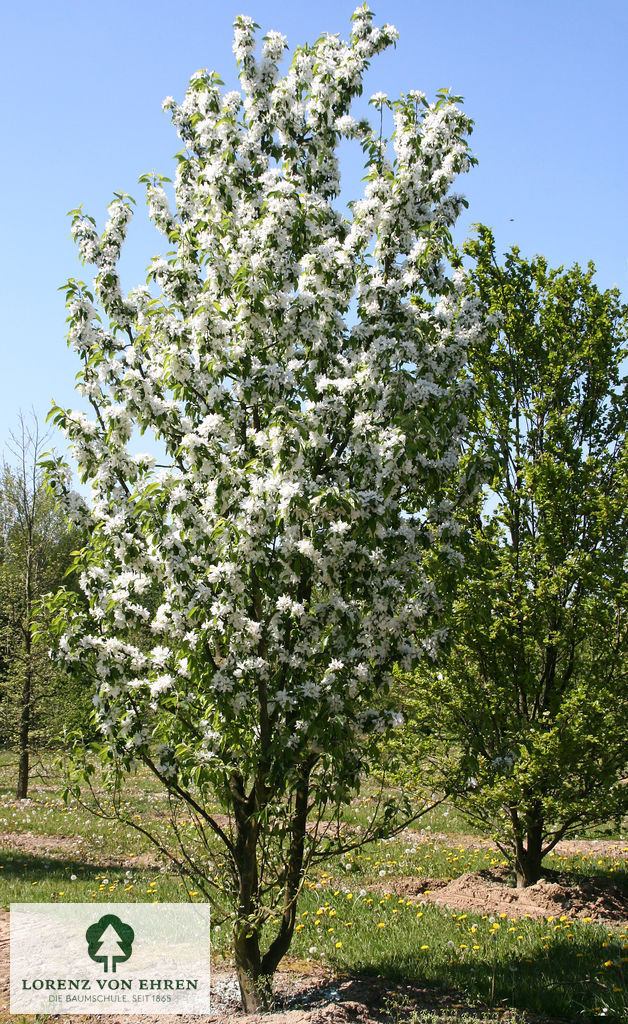
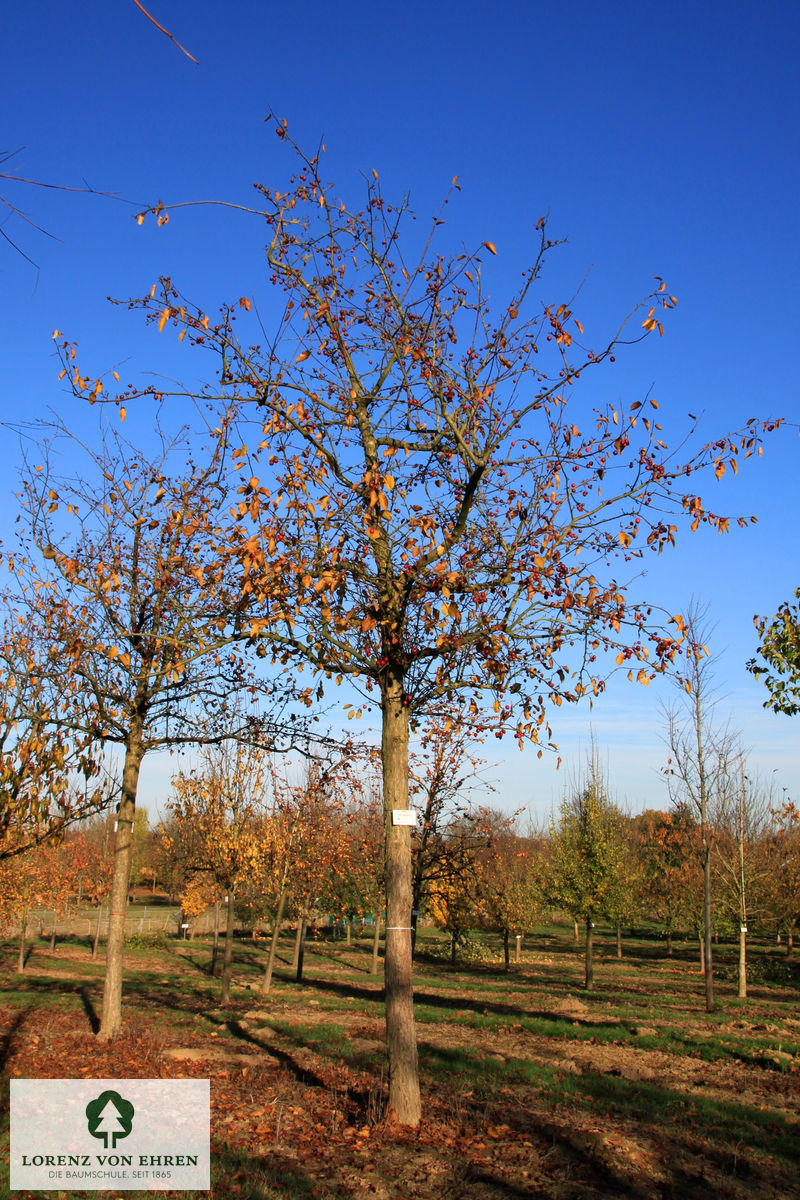

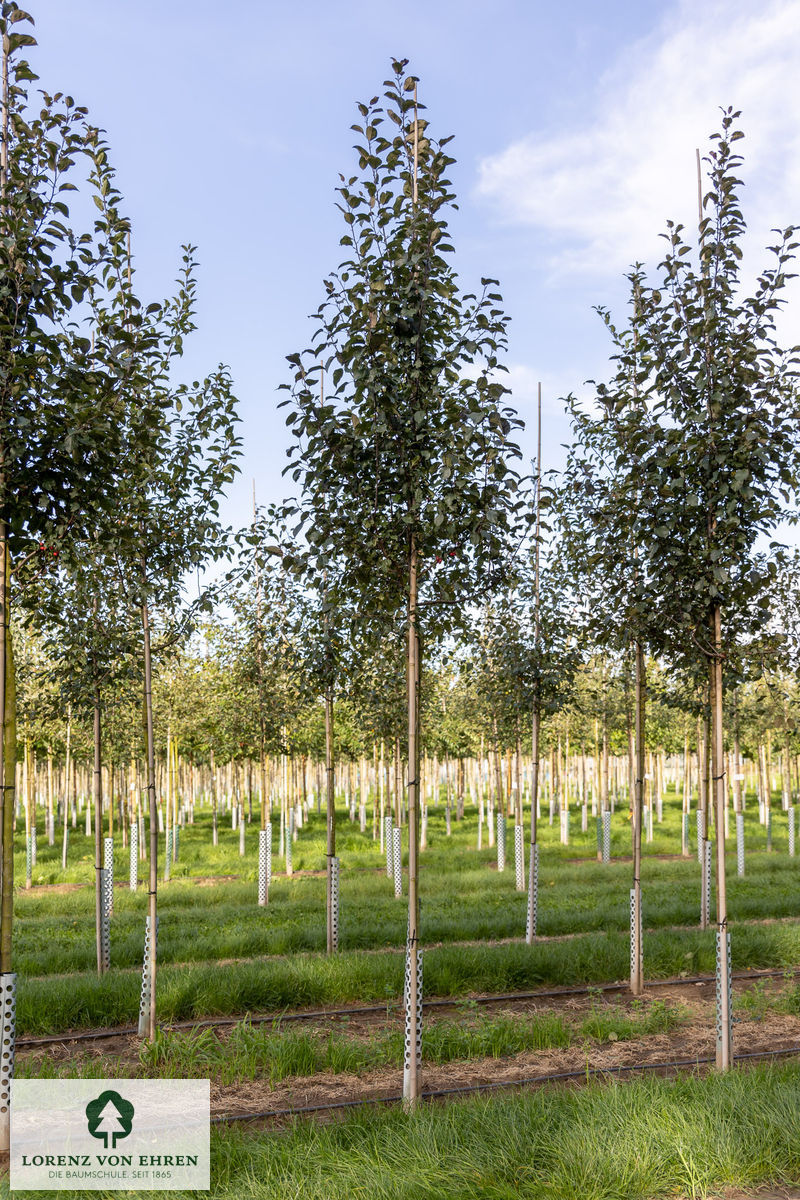
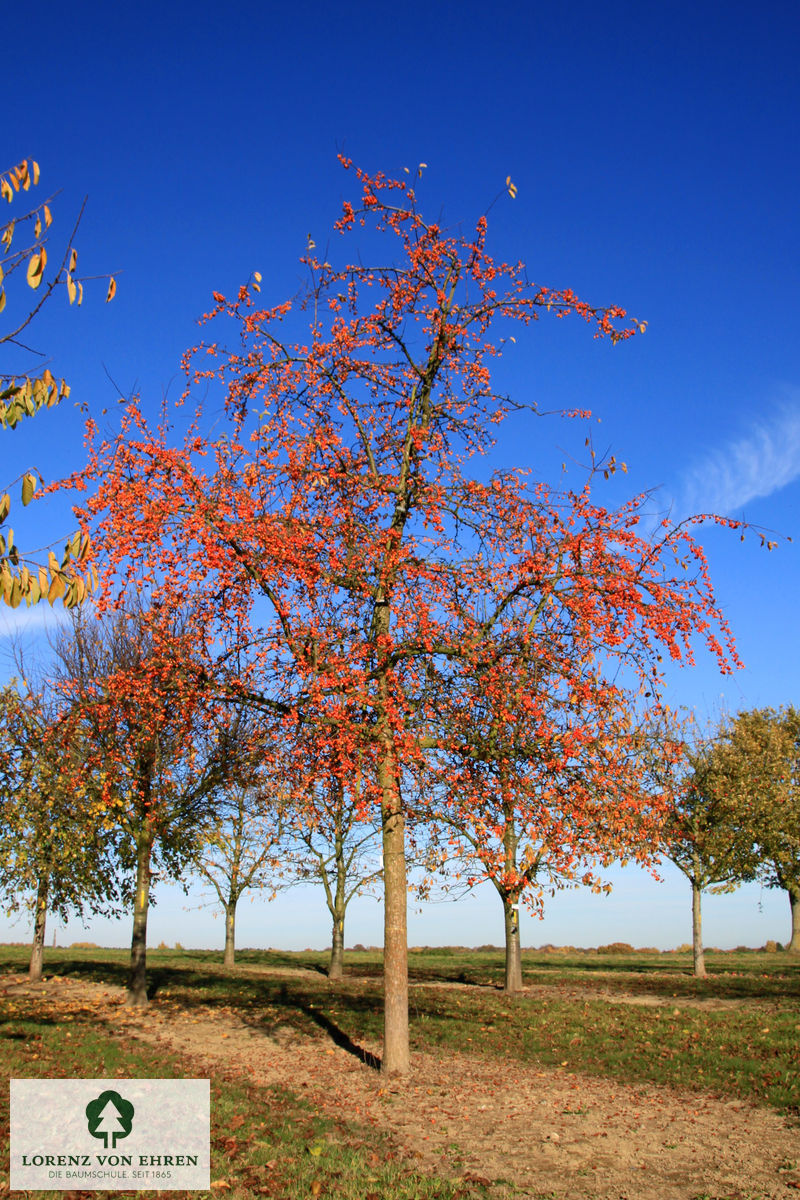
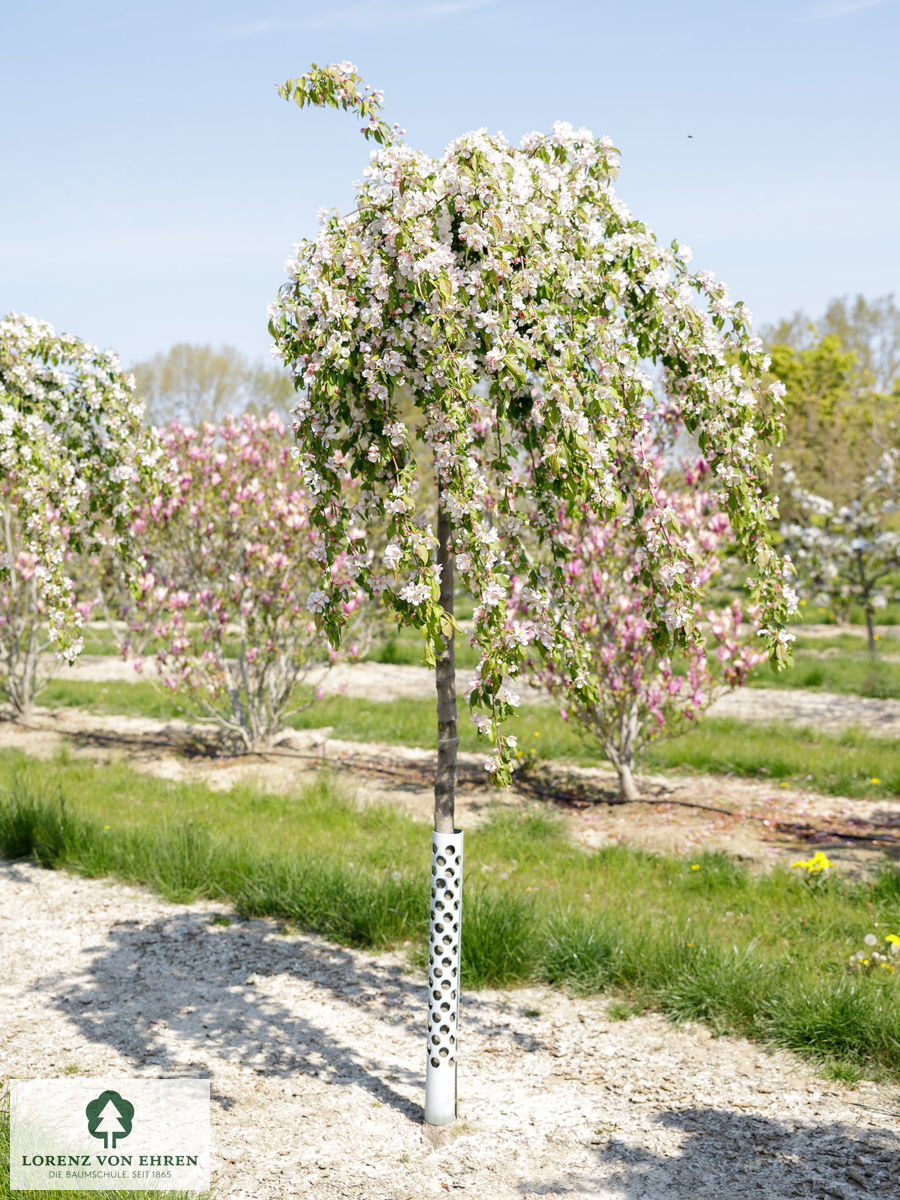
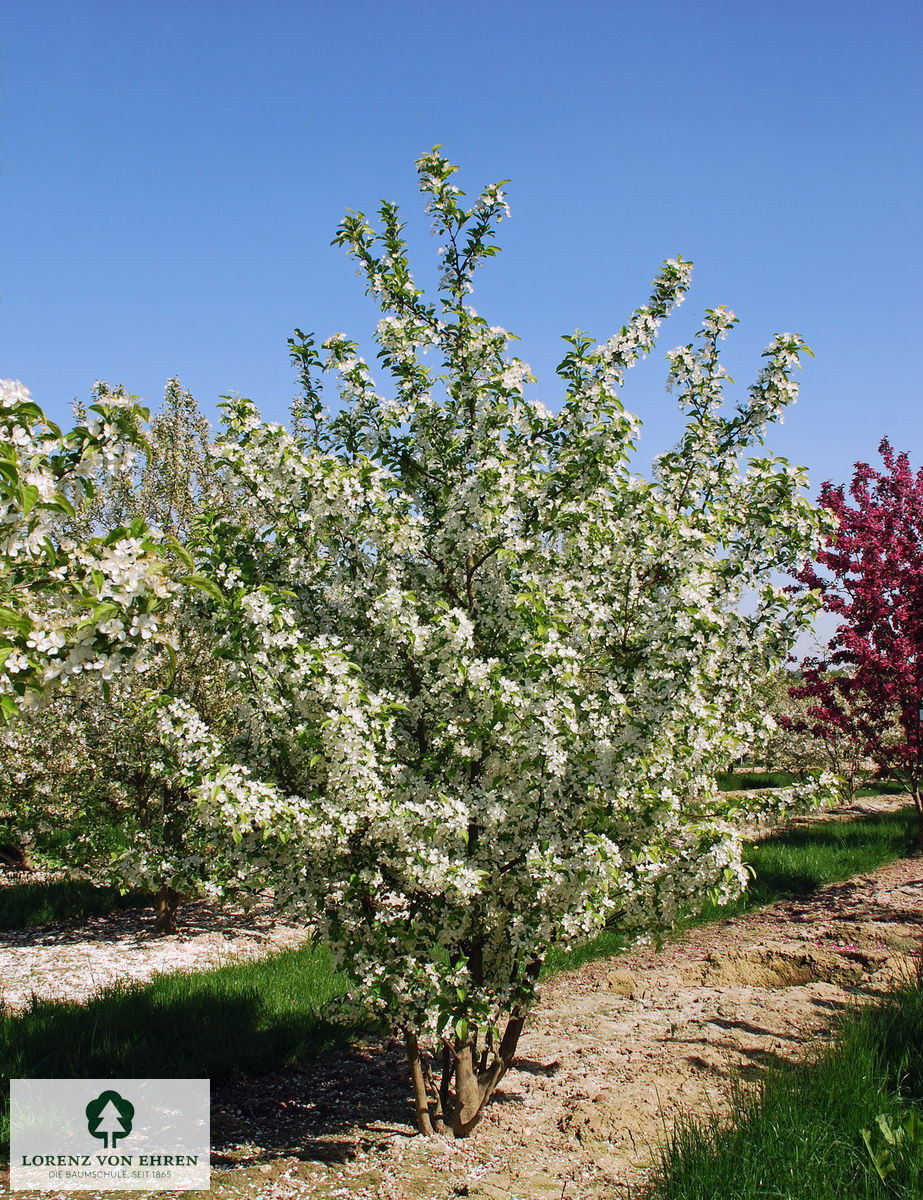
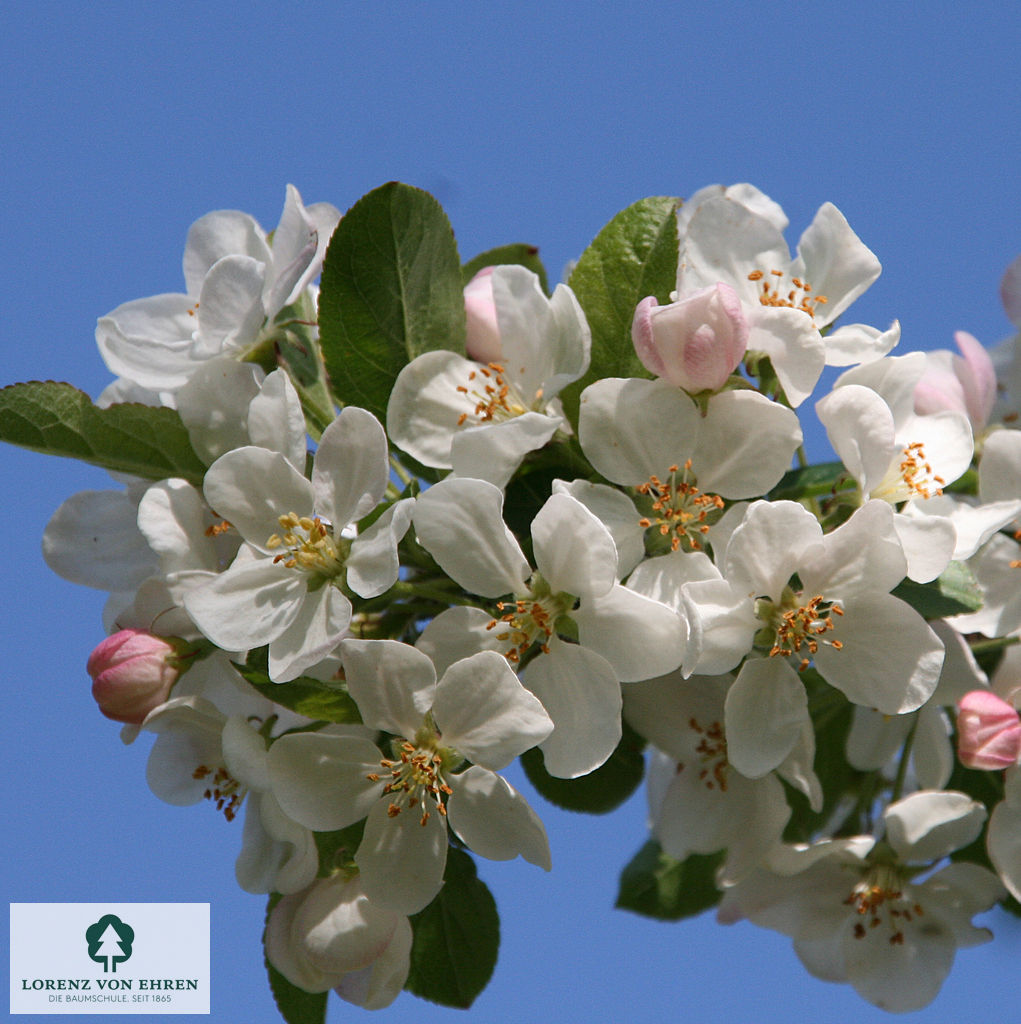
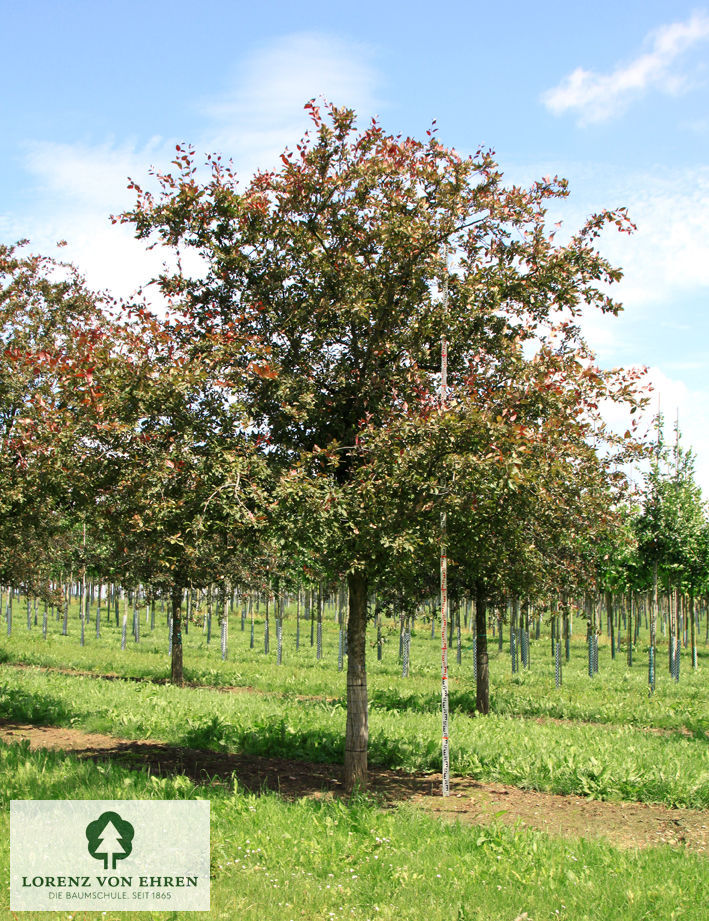
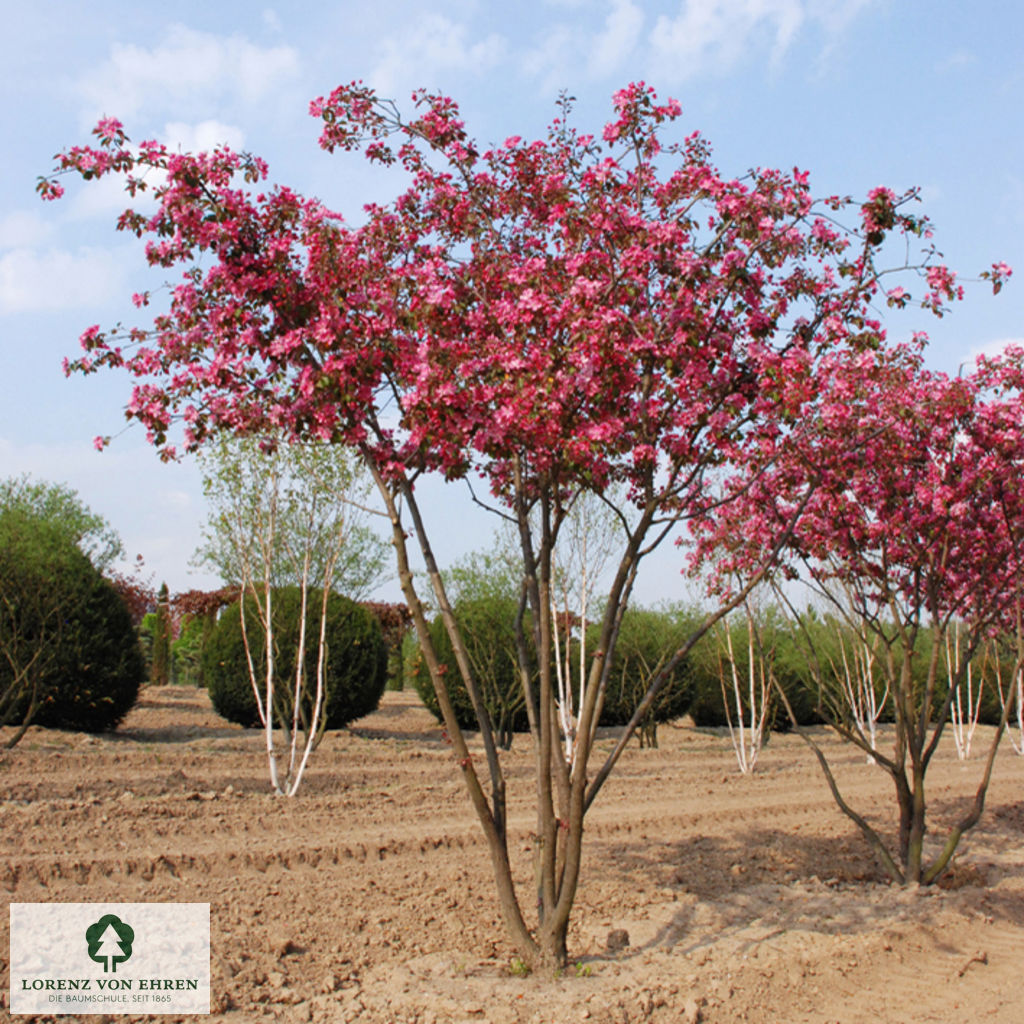
FAQ - Frequently asked questions
What are Malus hybrids?
Malus hybrids are cultivated forms of ornamental apple trees that have been developed from various apple species. Unlike traditional fruit apple trees, their main characteristics are their ornamental value, robustness and diversity. They are characterised by abundant blossoms, different flower colours and colourful fruits that often remain on the tree for a long time.
Are crab apples reliable trees with high design value?
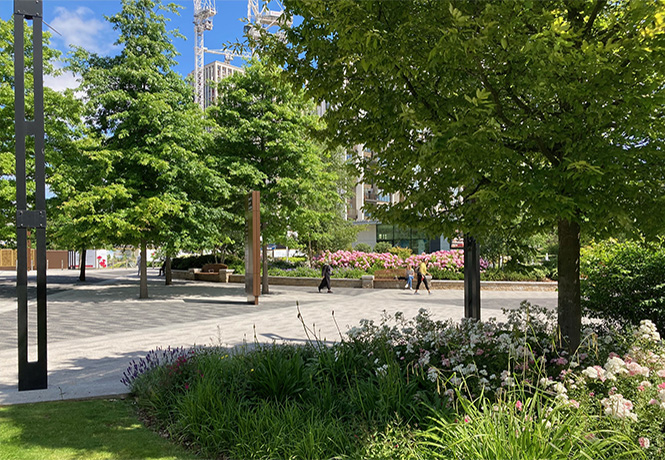
Crab apples impress with their reliable development and clear, variety-specific growth habit. The intense spring blossom in shades of white, pink and red creates a strong visual impact in parks, streets and prestigious grounds. Many varieties also have decorative foliage, which further enhances their design quality.
Are ornamental apples suitable for sustainable and ecological concepts?
Ecological aspects play a central role for local authorities and planners. Ornamental apples offer:
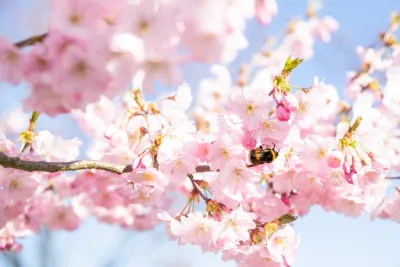
• valuable food sources for bees and pollinators
• long-lasting fruit as bird food
• high biodiversity with low maintenance
This makes Malus ideal for ecologically oriented planting concepts, climate-adapted green spaces and natural urban greening.
How can ornamental apples be used?
Thanks to the wide variety of species and cultivars, Malus species and cultivars can be used specifically for different requirements:
• Street and avenue trees
• Parks and green spaces
• School and nursery grounds
• Residential and neighbourhood greening
• Solitary or grouped plantings
Depending on the variety, different final heights, crown shapes and fruit colours can be achieved – ideal for differentiated planning concepts.
What advantages do Malus hybrids offer in professional use?
Thanks to the wide variety of species, Malus hybrids can be used specifically for different requirements:
• High ornamental value over several seasons
• Reliable varieties with defined growth forms
• Low care and maintenance requirements
• High ecological benefits
• Suitable for large public and private projects
Malus hybrids (ornamental apples) are a reliable, economical and high-quality solution for professional use in landscaping, landscape architecture and municipal green spaces.