





_400x400.webp "Gehölztrends 2025: Kaiser-Linde, Vogelkirsche, Hainbuche und mehr")




 Contact
Prunus domestica
Plum, mirabelle plum and damson
flowering in spring - fruit throughout the year
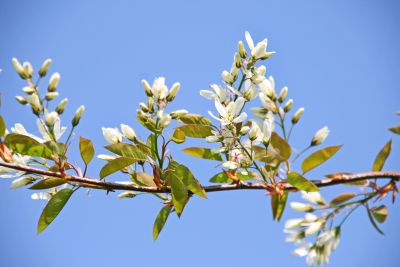
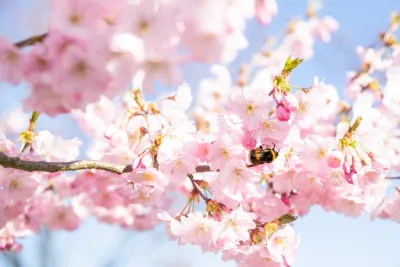
Plums, mirabelle plums and damsons are traditional fruit trees. In spring, the breathtaking white blossoms characterise the appearance of the tree and mark the beginning of spring. Over the course of the year, these blossoms develop into delicious fruits. This interplay of blossom and fruit makes Prunus a permanent fixture in many gardens, parks and orchards.
Your advantages at a glance:
- Growth habit: Balanced growth with a broad crown
- Ecology: The early, beautiful flowers are an important source of food for bees and insects
- Fruit: The juicy, delicious fruits ripen in a wide variety of colours until August and September
- Use: This proven fruit tree is suitable for a wide range of plantings
Pro tips:
- Light intensity: In order to develop abundant and particularly sweet fruit, plum, damson and mirabelle trees prefer a sunny to semi-shaded location. Shaded locations would result in less flavour.
- Planting distance: The ideal distance is 3-5 metres. The trees need enough space to benefit from the light. If the crowns grow together, the trees will block each other's light, which can lead to bare branches inside the tree.
- Whitewash: To prevent Prunus domestica from suffering frost damage in the form of bark cracks, you can paint the trunks white with lime paint in autumn. This protects the sensitive bark of the plum tree in particular.
- Water: Prunus domestica needs a lot of water. It needs large amounts, especially during fruit formation in summer. A layer of mulch helps to retain moisture in the soil. Shortly before harvesting, watering should be reduced so that the fruit does not become waterlogged.
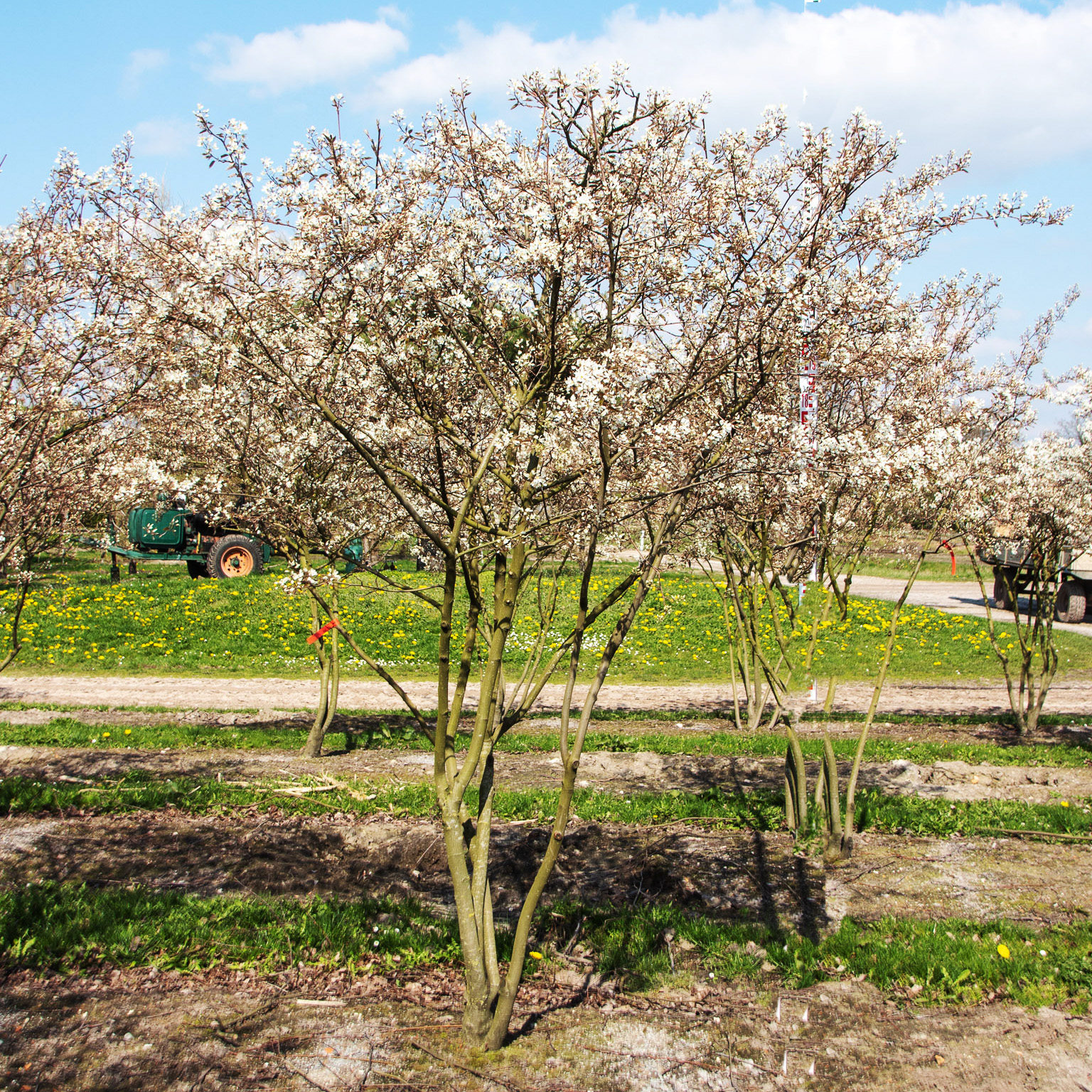
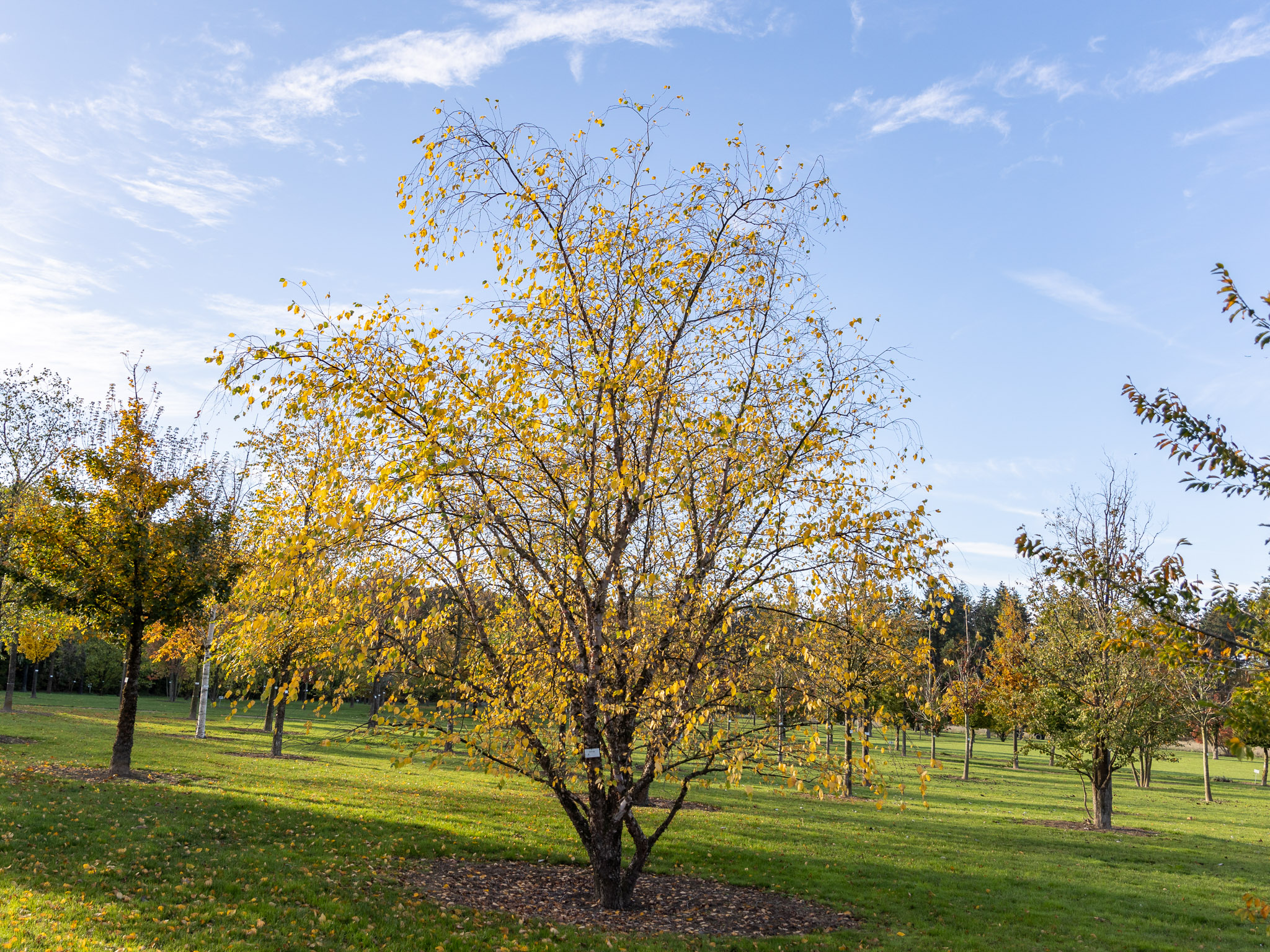
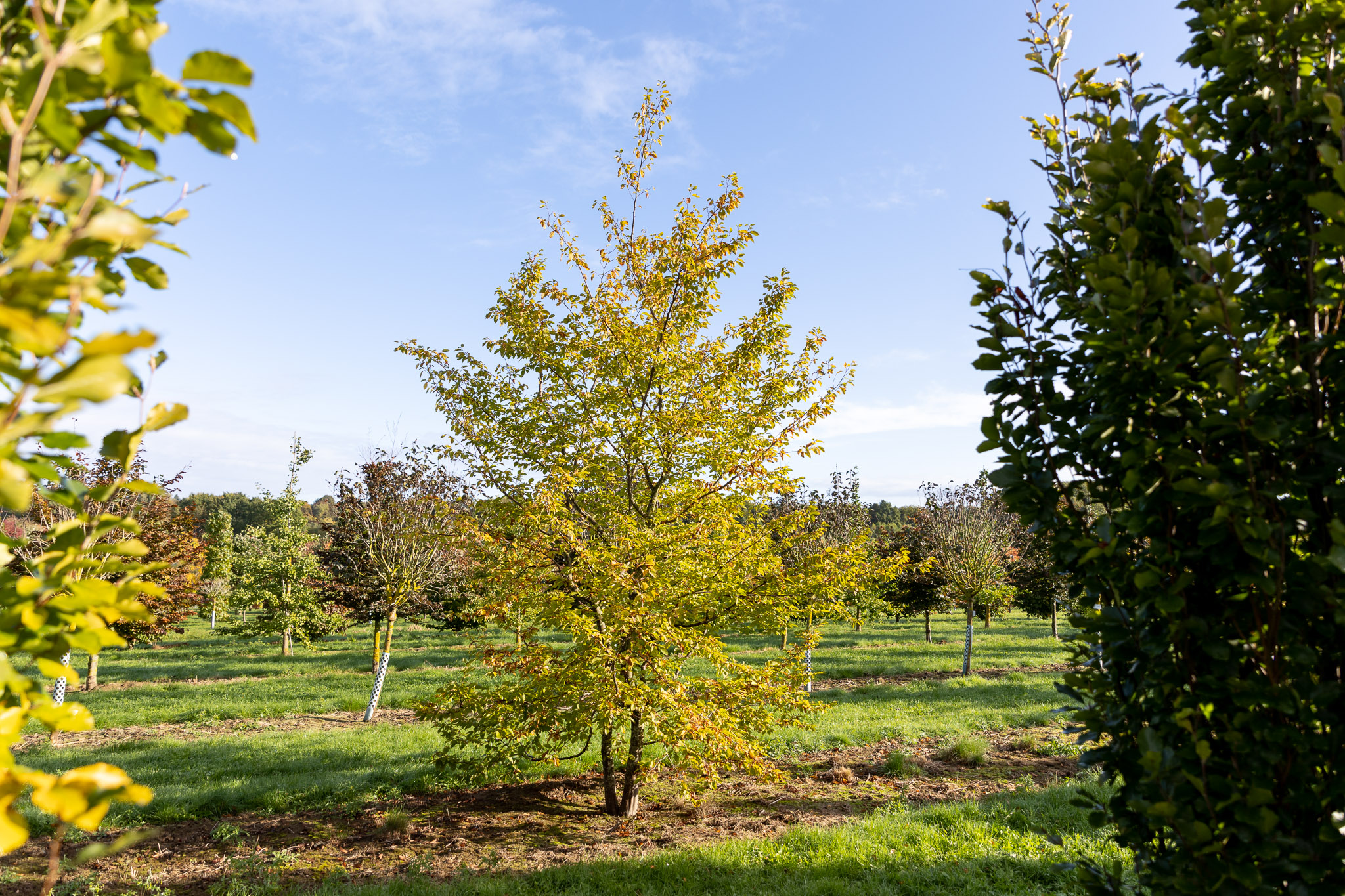
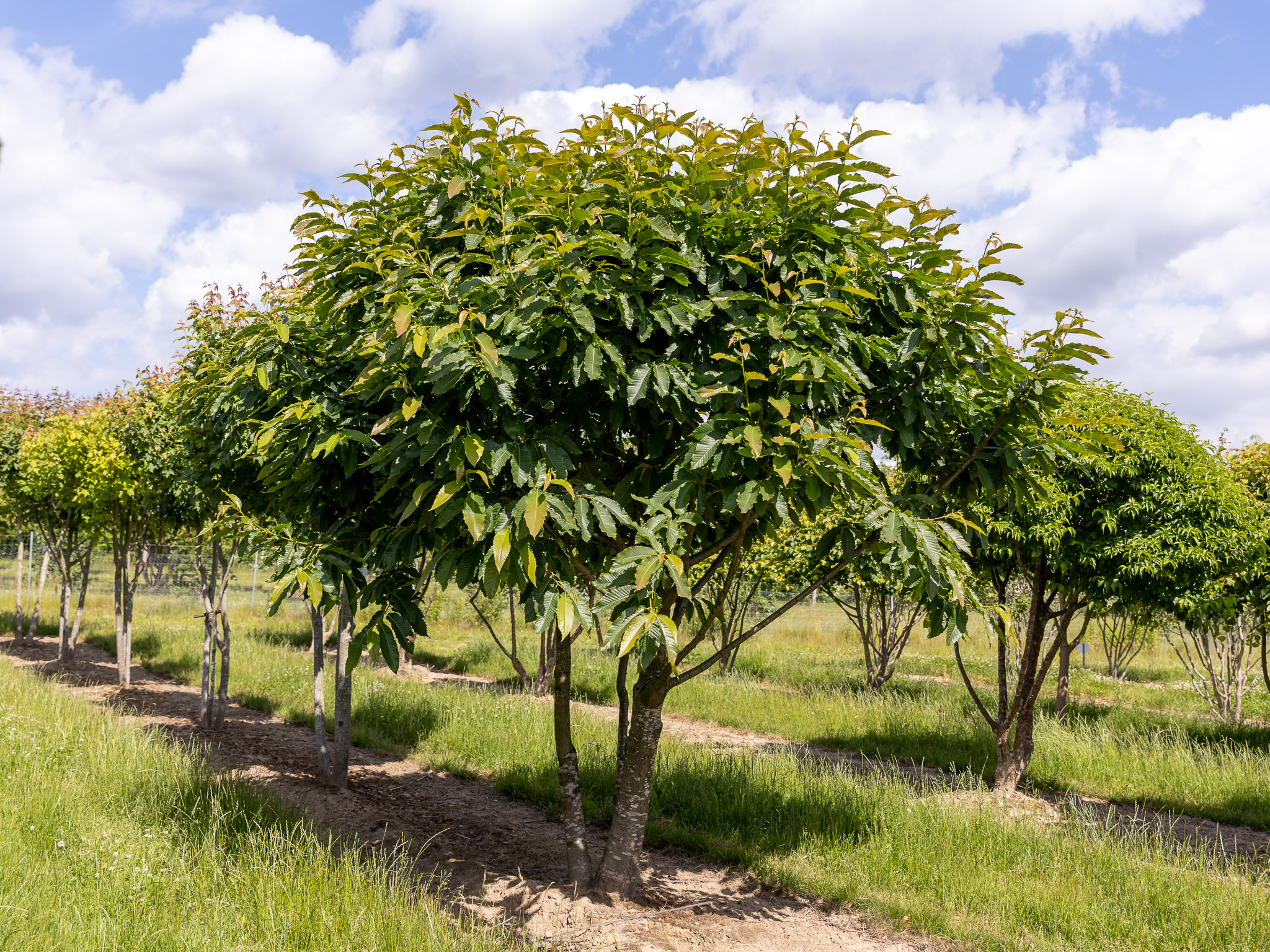
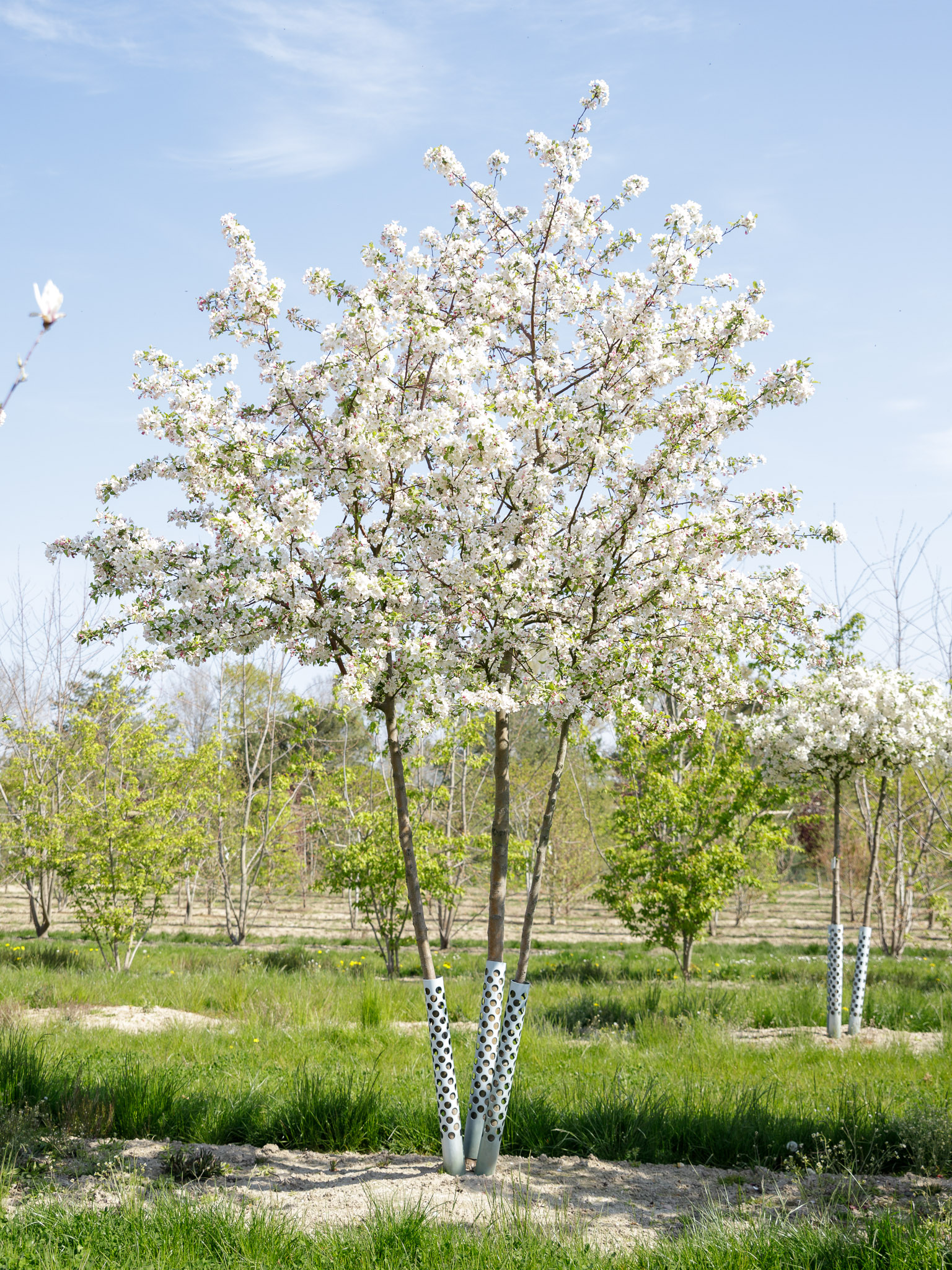
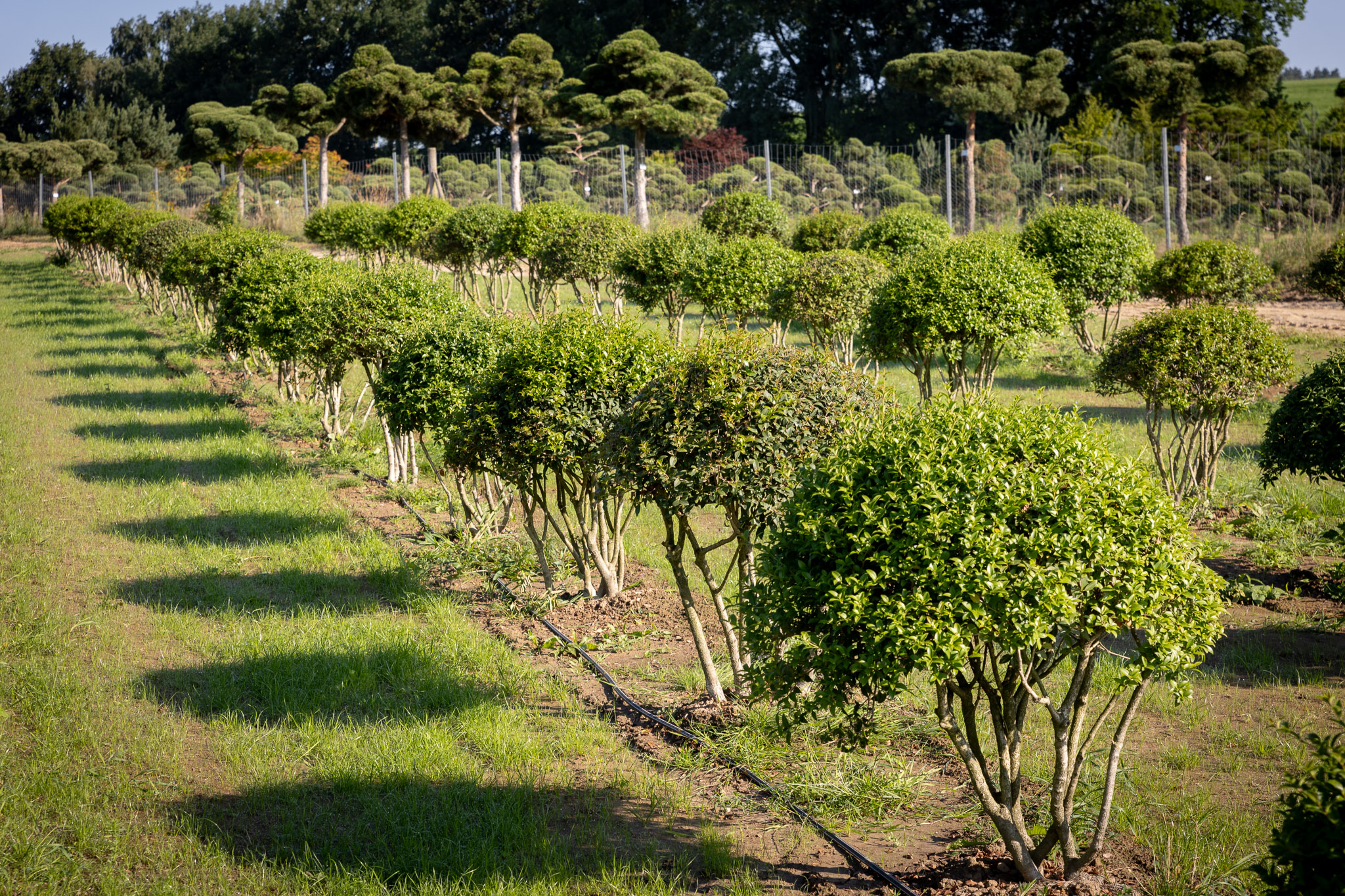
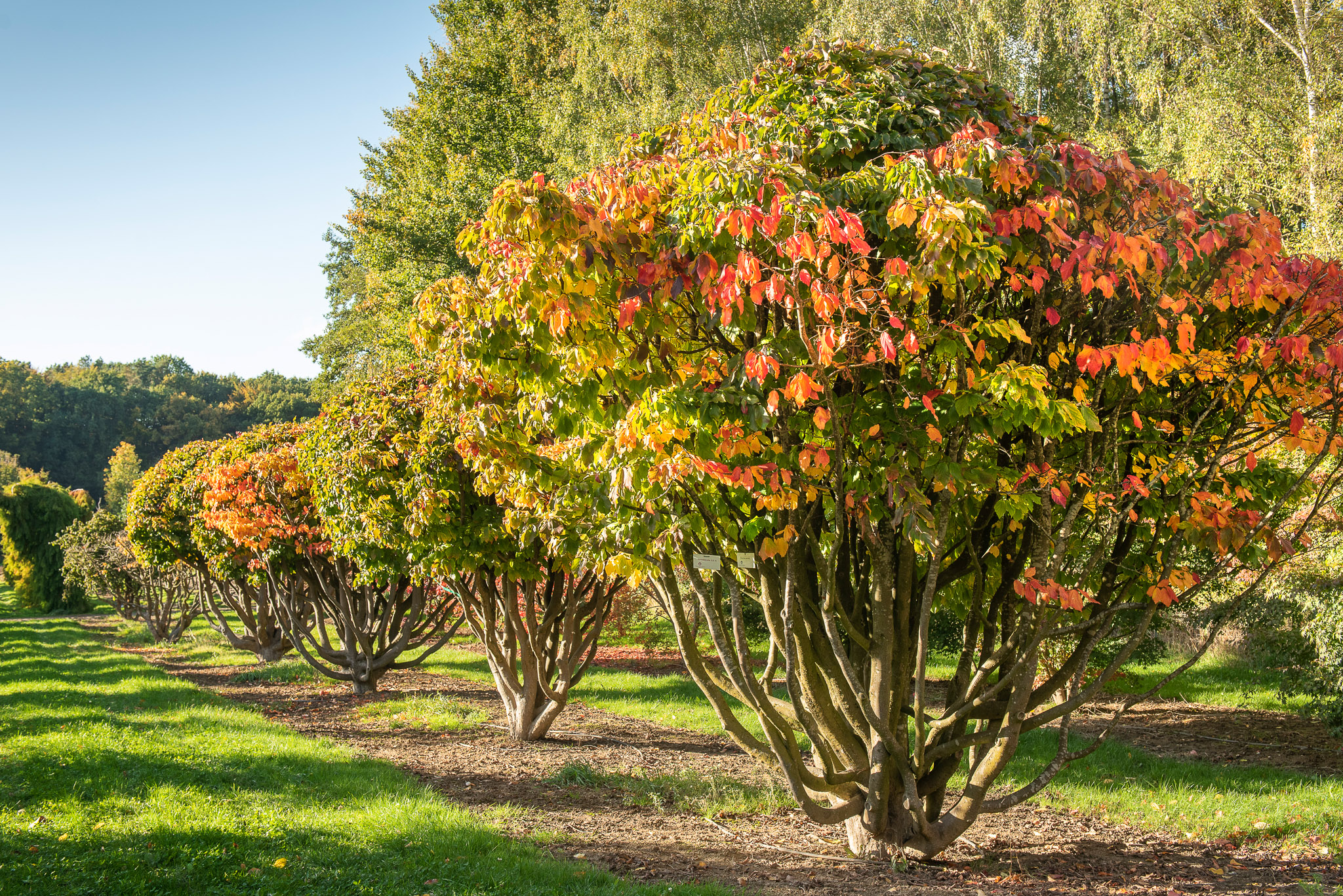
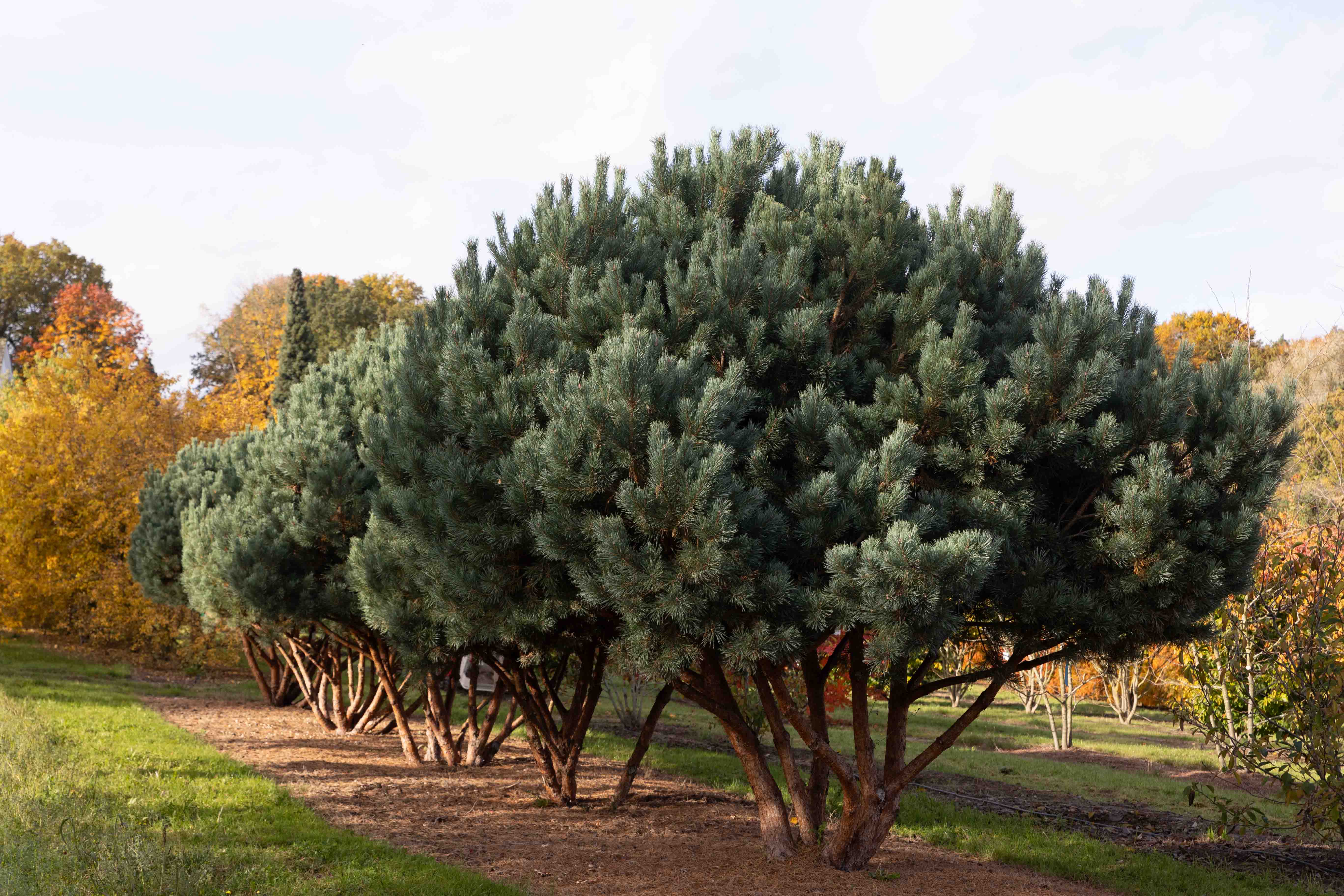
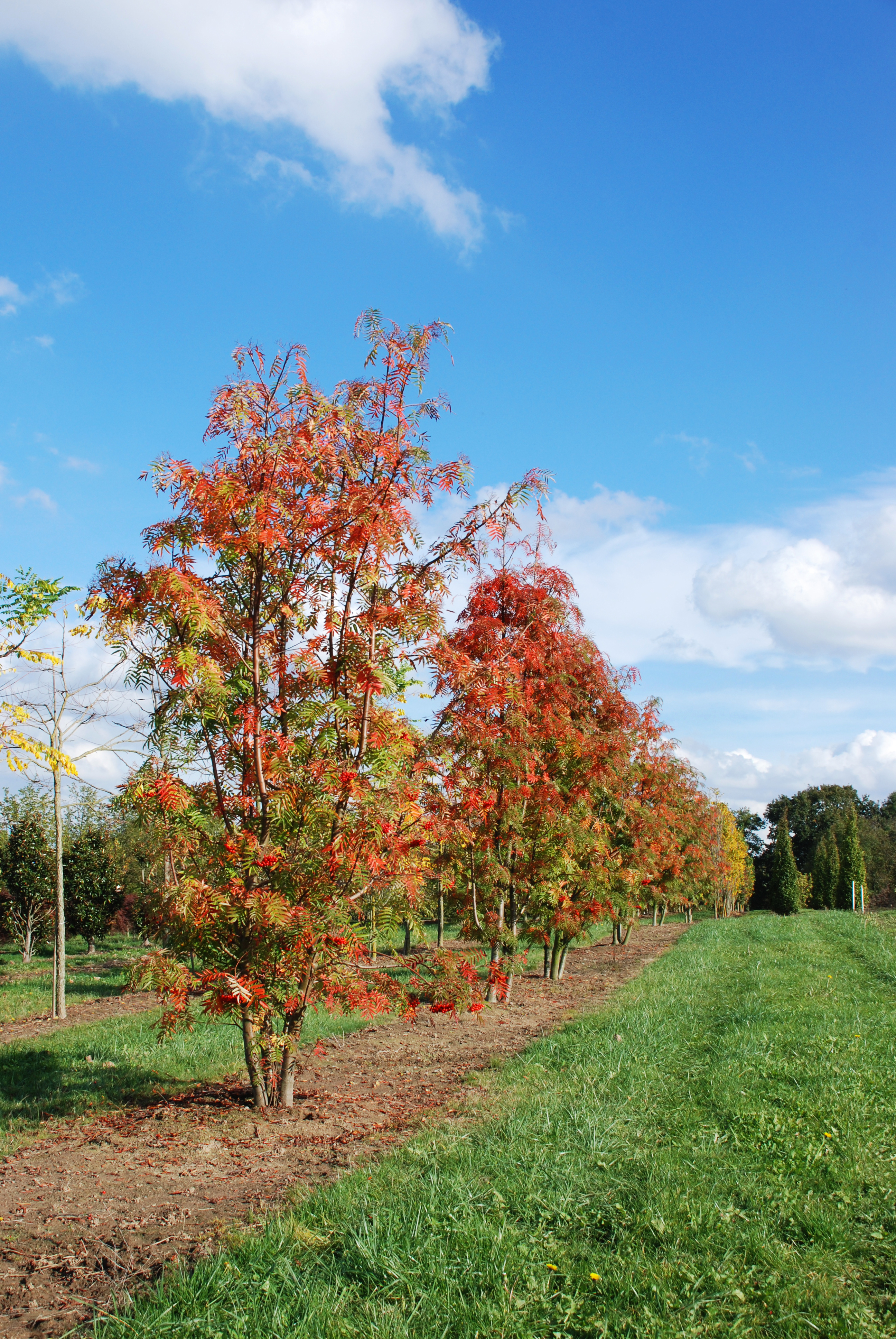

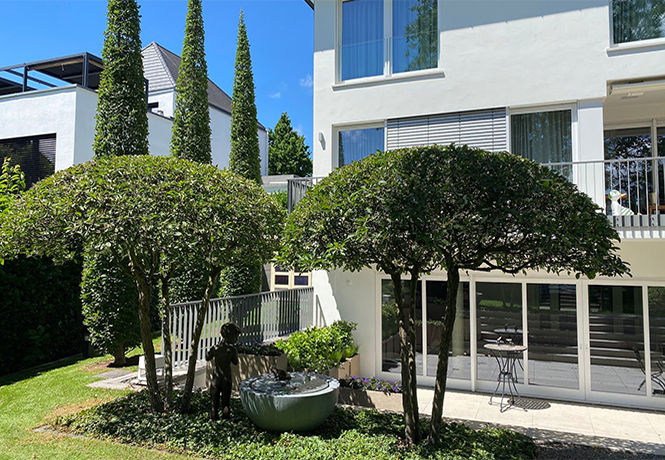
„Mehrstämmige Bäume wurden bei der Aufzucht bereits in jungem Alter so geschnitten, dass direkt am Boden mehrere Stämme entstanden sind. Sie besitzen meist einen vasenförmigen Kronenaufbau: unten etwas schmaler und nach oben hin breiter“.
Thomas Dieckmann, Spezialist für Klimabäume, Baumschule Lorenz von Ehren
Unikate
Einige unserer Unikate sind ebenfalls mehrstämmig. Entdecken Sie unsere einzigartigen, mehrstämmigen Unikate.
FAQ - Frequently asked questions
Why is my tree not bearing fruit even though it blossomed in spring?
There could be several reasons for this. On the one hand, the tree may not have enough nutrients, meaning it does not have the strength to bear fruit. On the other hand, fruit development may fail due to a lack of pollination. There may not have been enough insects flying around or there may not have been a suitable partner tree (in the case of non-self-pollinating trees).
When is the best time to harvest?
The harvest time varies depending on the variety and species. As soon as the fruit yields to light pressure and can be removed from the branch, you can harvest your tree.
Why do my plums taste bland?
This may be due to a lack of sunlight. Insufficient light results in less sweet fruit. In addition, you should not water the tree too much before harvesting. This ‘dilutes’ the flavour.
Why does my tree only bear fruit every two years?
The tree exhausts itself with fruit in one year, so it cannot form flower buds the following year. Tip: Remove 30-50% of the small fruits early on. This encourages the tree to save energy for bud formation the following year.
Can I plant the trees next to each other?
Yes, that shouldn't be a problem. However, you should make sure you plant them at the correct distance apart. The distance should be 3-5 metres. This gives the trees enough space and prevents them from shading each other.
What is the difference between plums and damsons?
External characteristics: Plums can be recognised by their round shape and softer skin. Damsons are more oval and have pointed ends.
Internal characteristics: The flesh of plums is juicier. In addition, the stone is slightly more difficult to remove than with damsons.