






_400x400.webp "Gehölztrends 2025: Kaiser-Linde, Vogelkirsche, Hainbuche und mehr")



 Contact
Alnus - Alder
Betulaceae
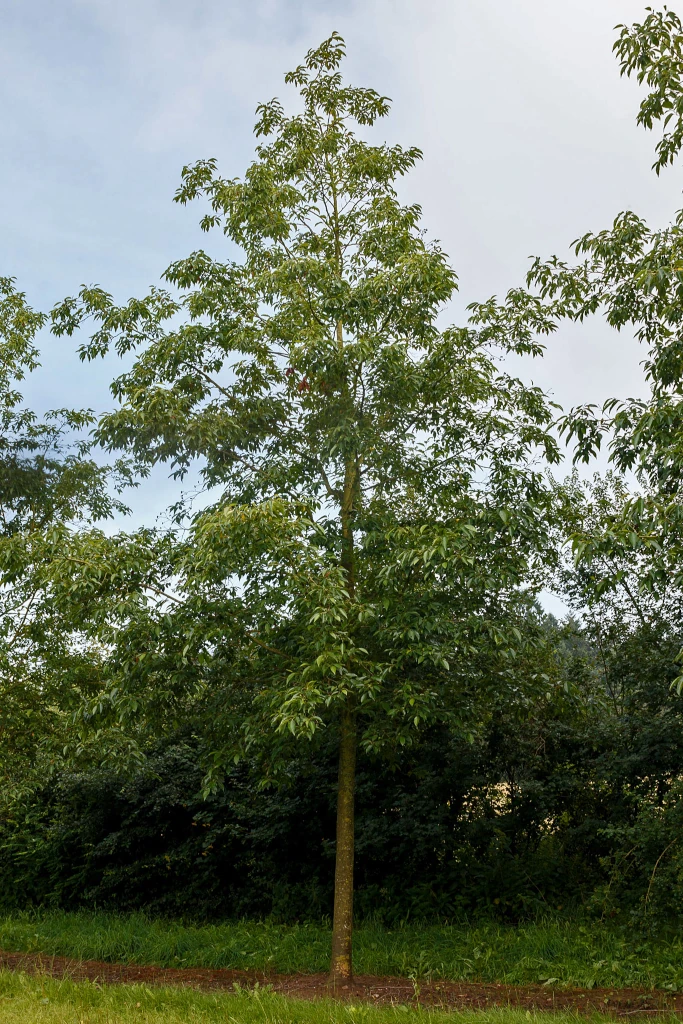
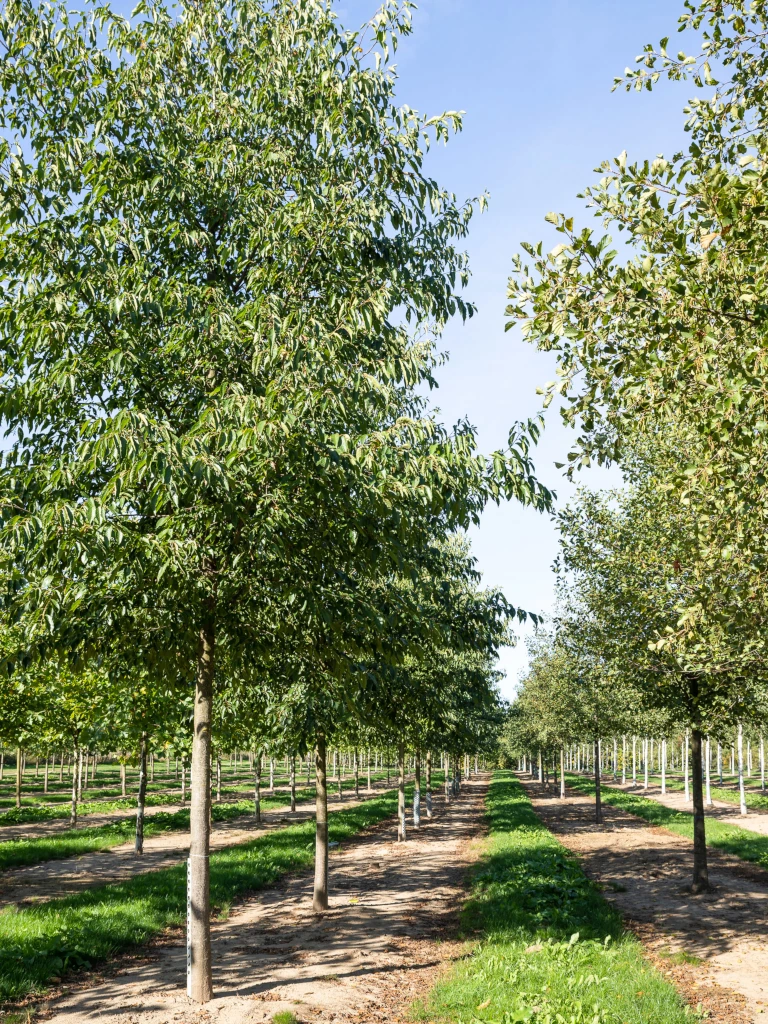
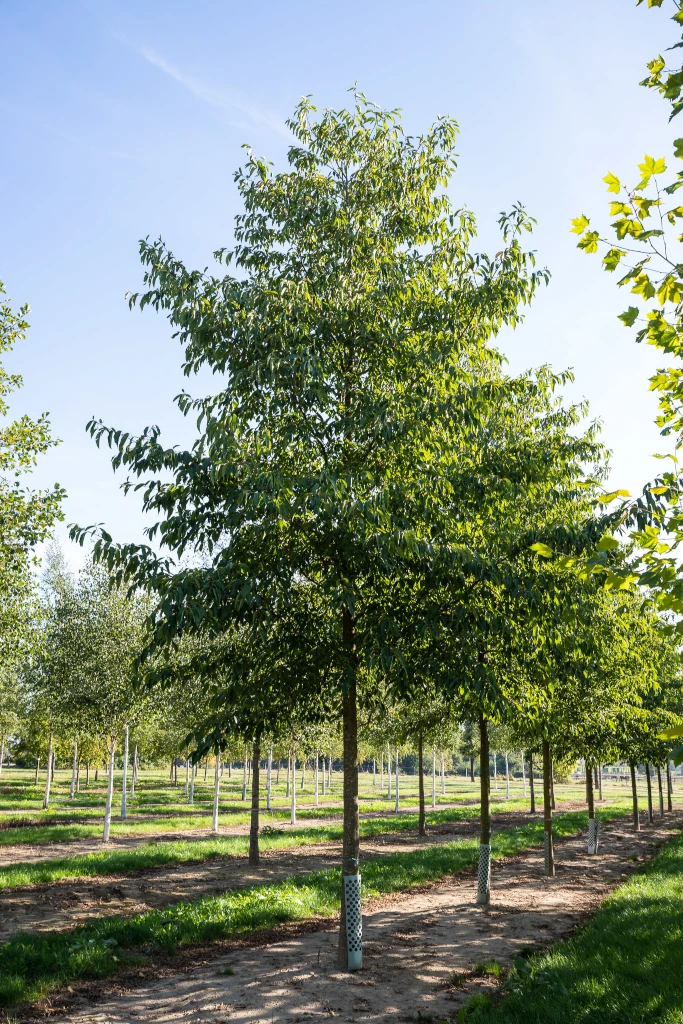
Our Alnus
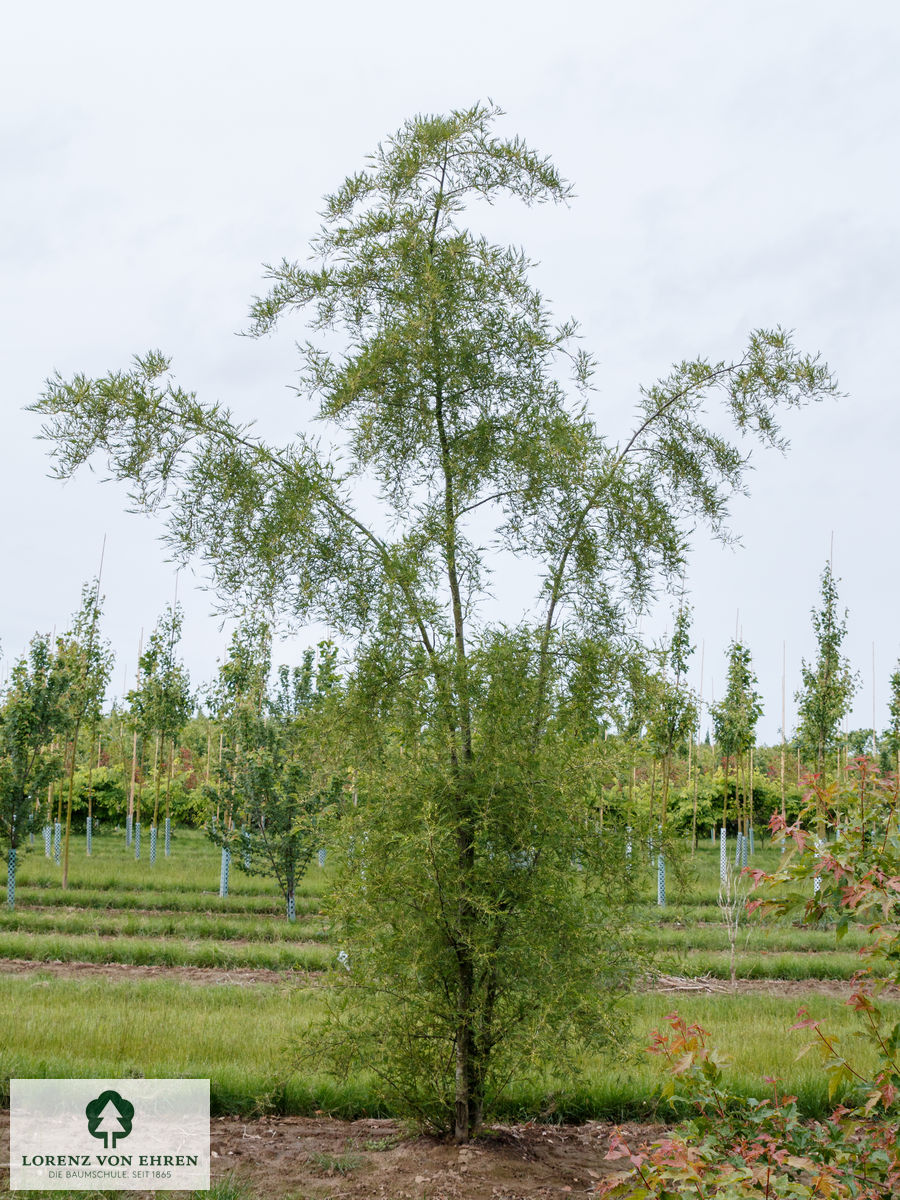
The genus Alnus, also known as alder, belongs to the birch family (Betulaceae) and comprises around 30 different species worldwide. These deciduous trees and shrubs are known in particular for their preference for moist locations and have an important ecological significance. Due to their ability to bind nitrogen, they contribute to soil improvement and play a decisive role in the renaturalisation of riverbanks and wetlands.
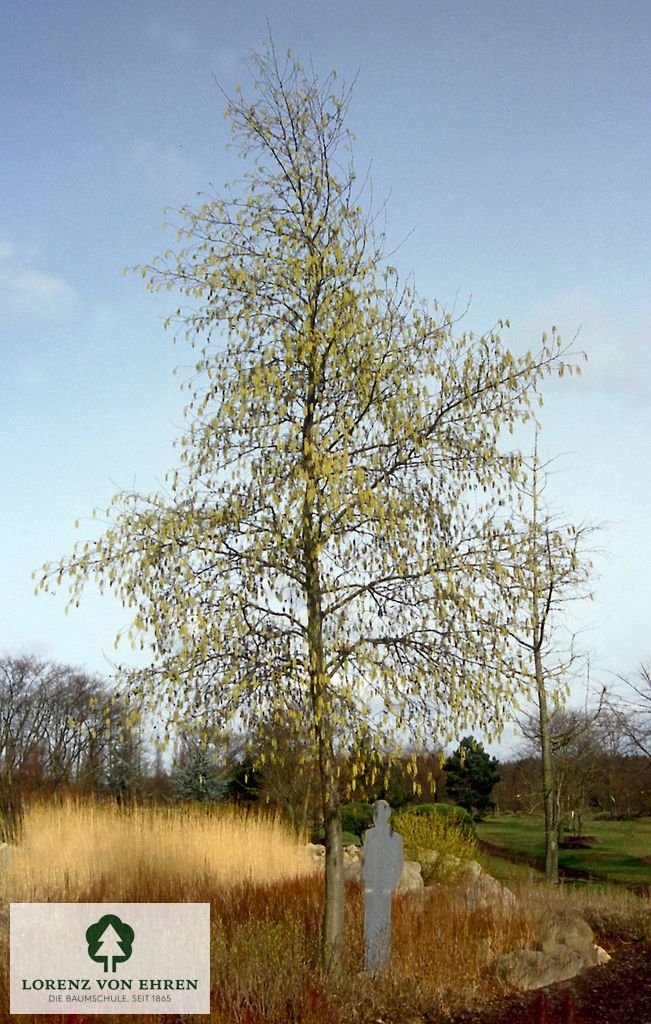
Alnus species can be recognised primarily by their catkins and cones. The male catkins, which flower in winter or early spring, are elongated and drooping, while the female flowers grow into inconspicuous, woody cones. Many species of the genus are light tree species and prefer open, sunny locations.
Alnus glutinosa – Common Alder
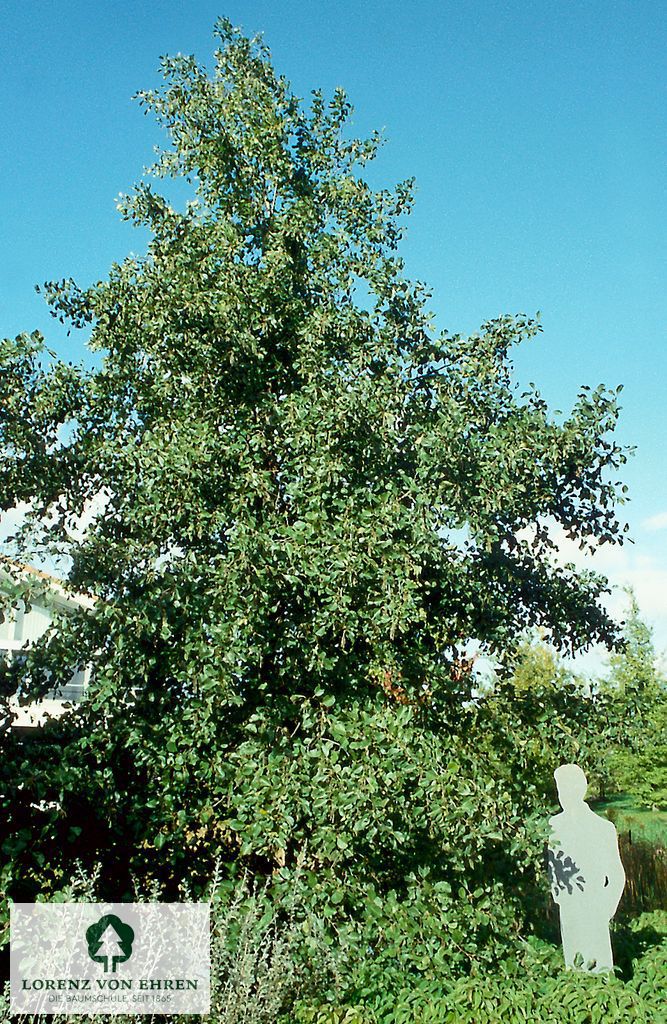
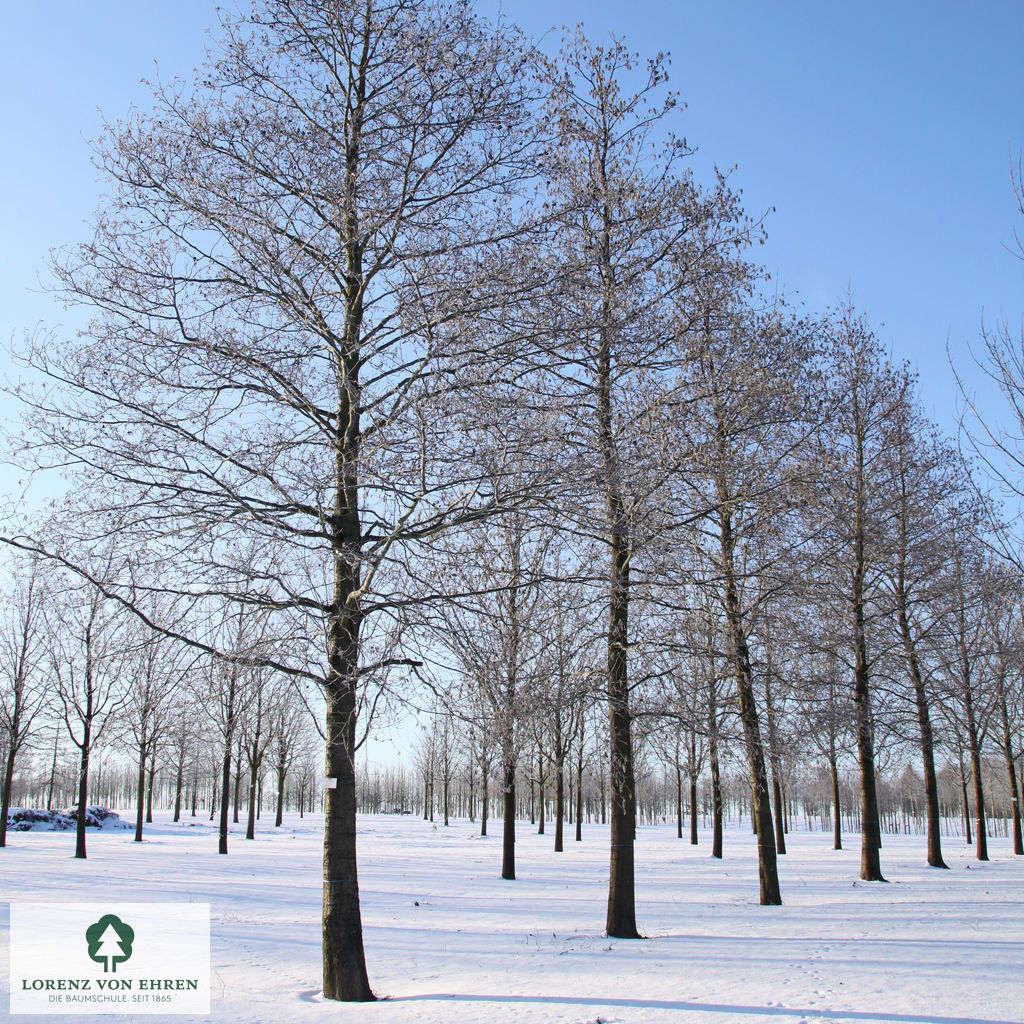
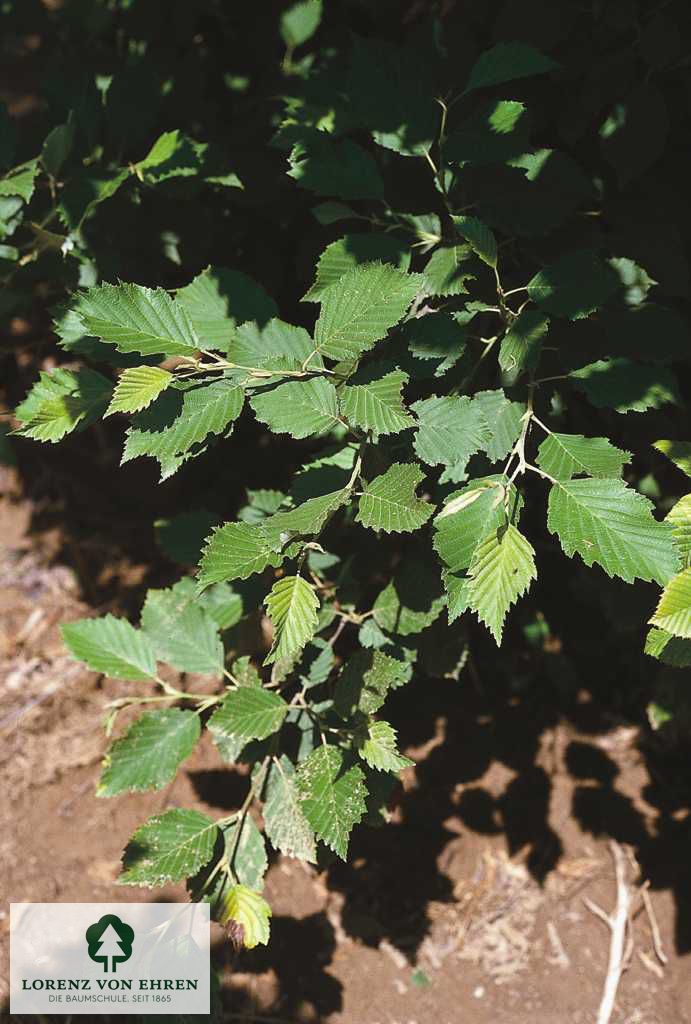
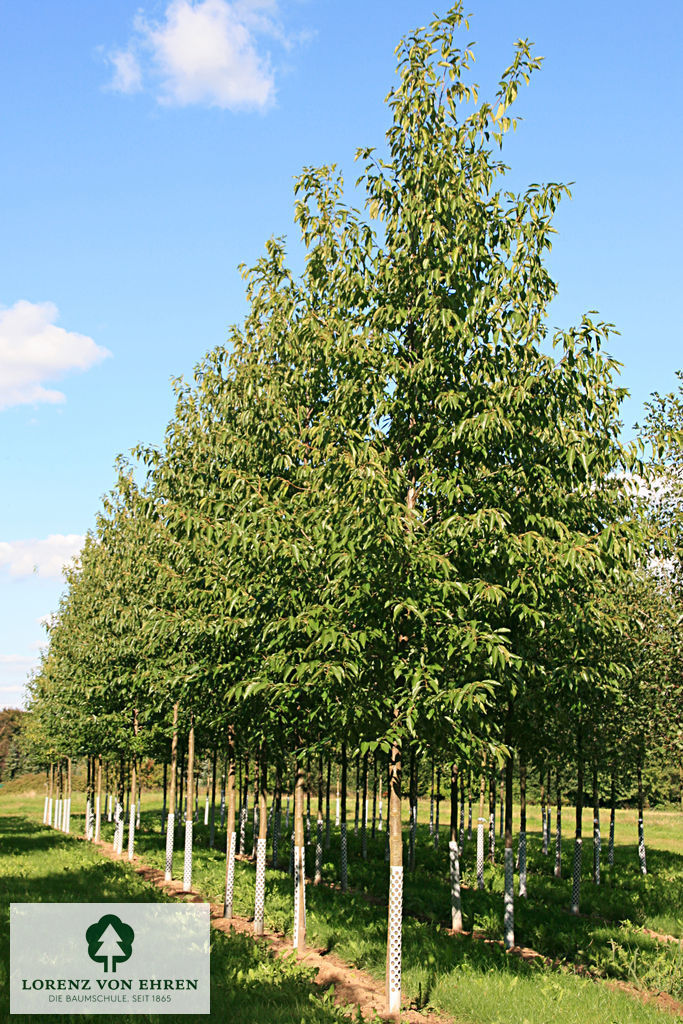
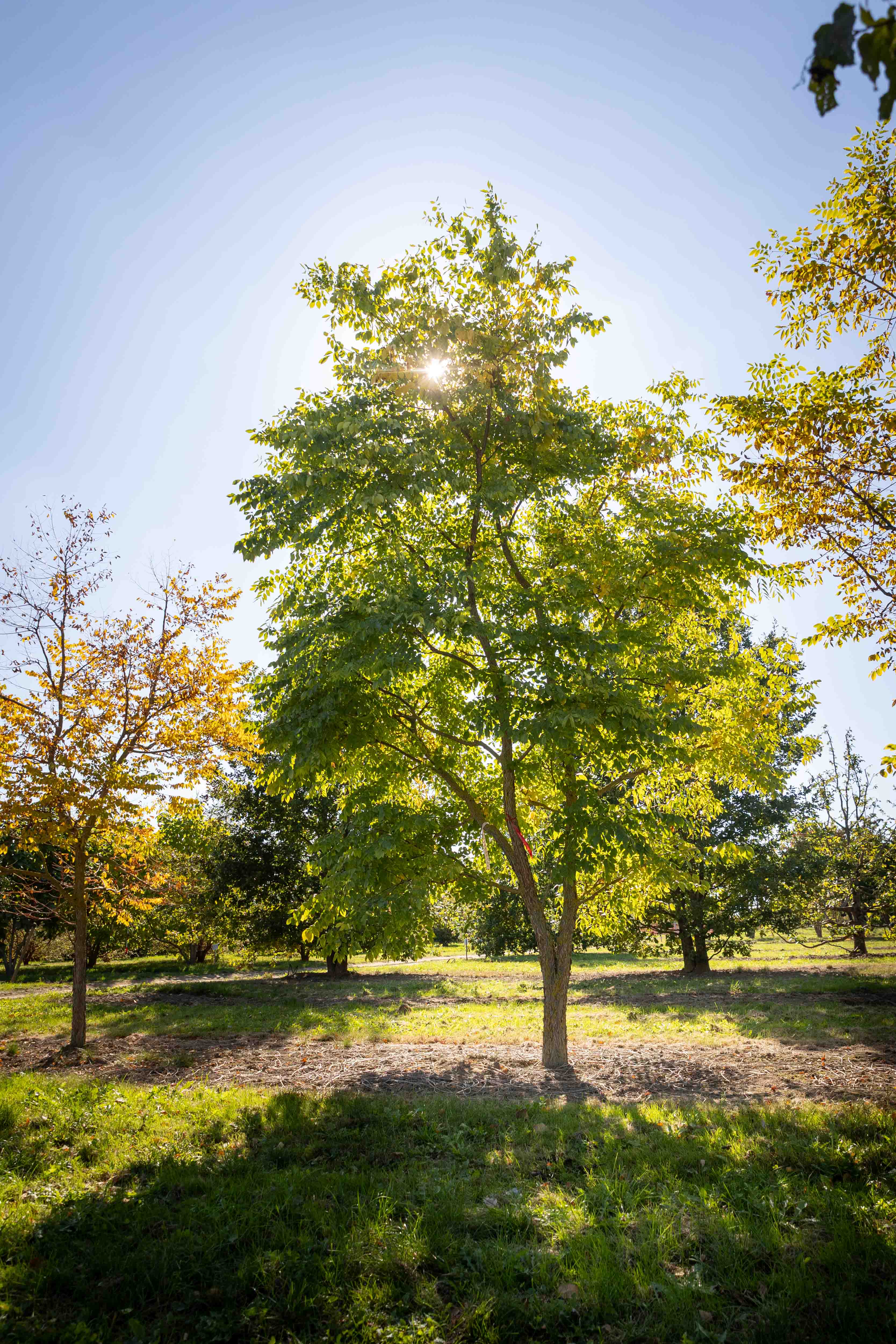
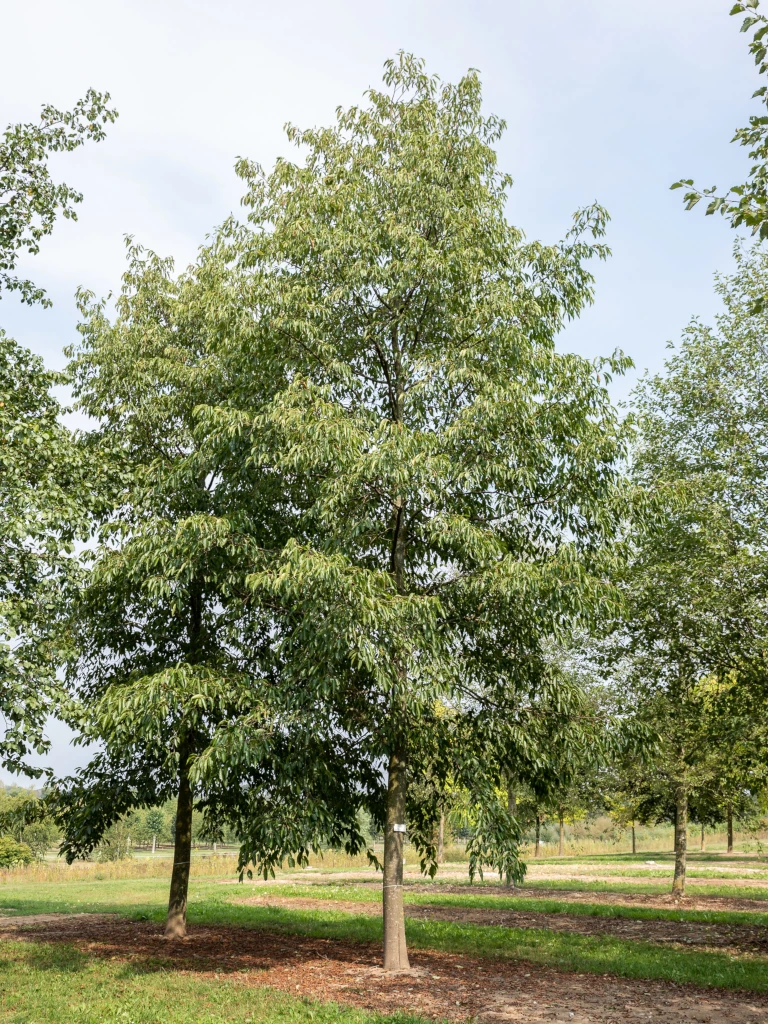
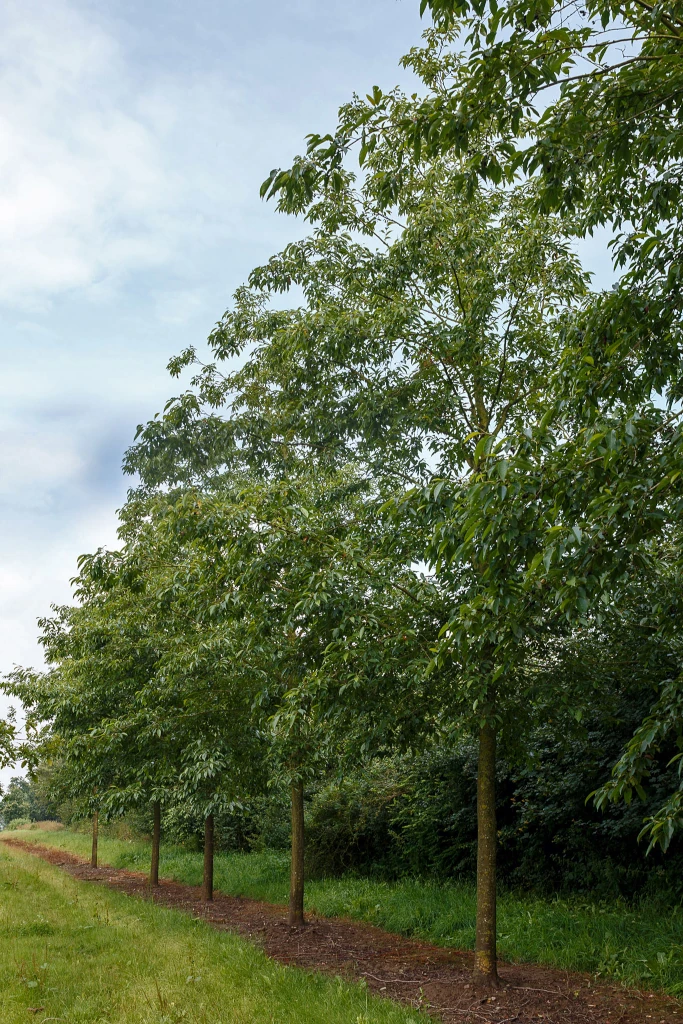
The common alder, often referred to as black alder, is one of the best-known native alder species. It grows to a height of 15 to 20 metres and is characterised by a pyramid-shaped crown and a continuous leading shoot. Its flowering period begins as early as February, making it one of the earliest flowering native trees. The male catkins, which grow up to 7 cm long, form a striking contrast to the small, 0.5 cm female catkins and the dark brown cones from the previous year. The common alder prefers moist to wet locations and can even thrive in partially flooded areas. It needs nutrient-rich, acidic soil and plenty of light. The wood of the black alder shows a striking red colour on freshly felled trunks, which earned it the nickname red alder.
Alnus × spaethii – Speckled Alder
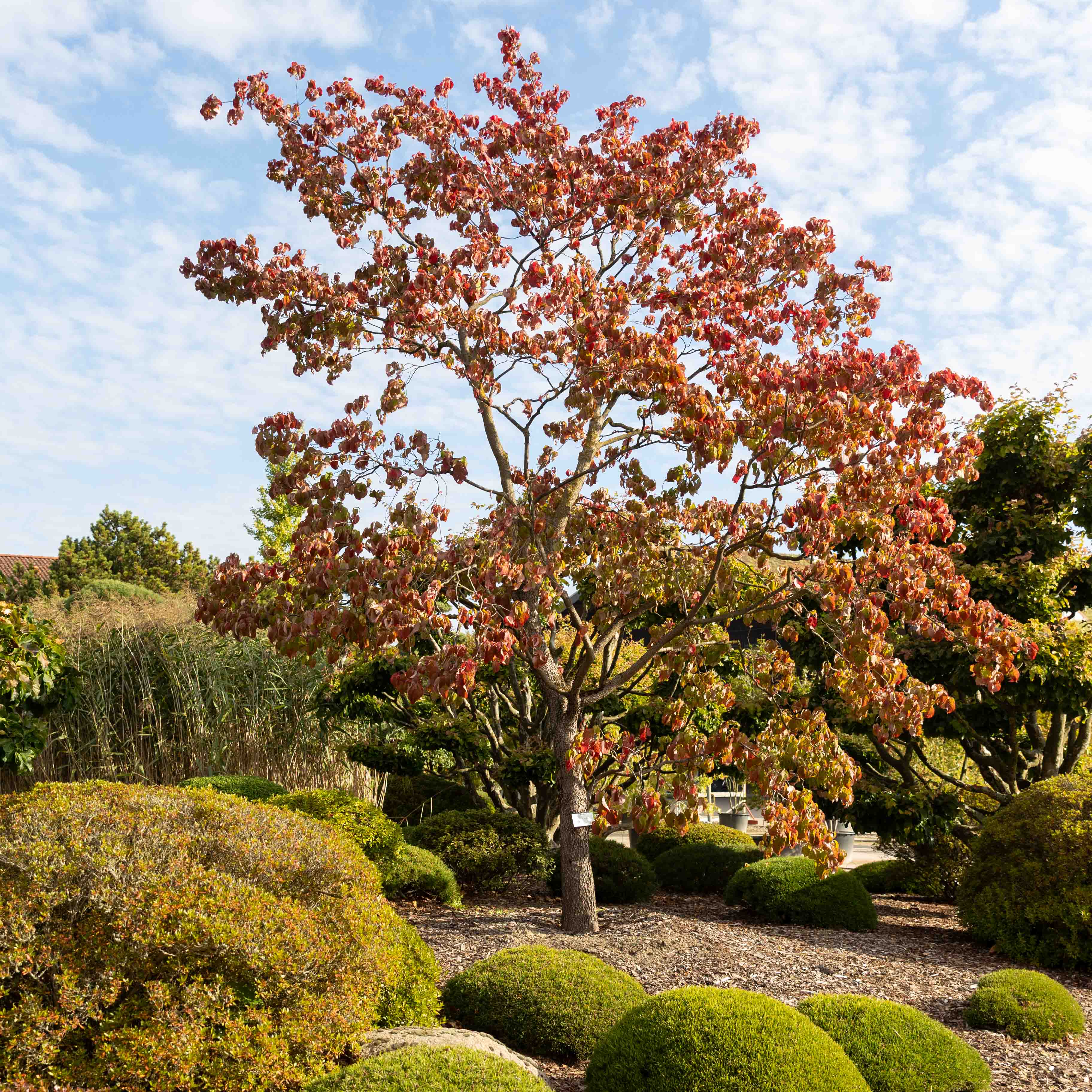
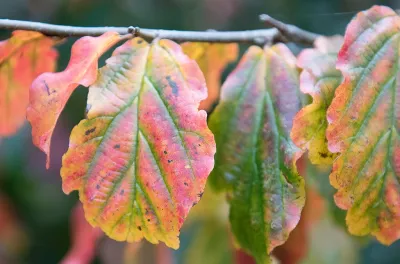
The speckled alder, sometimes gray alder, originated at the beginning of the 20th century from a cross between the Japanese alder (Alnus japonica) and the Caucasian alder (Alnus subcordata). It is known for its purple-violet shoots in spring and its striking purple-red autumn colouring. The leaves of the speckled alder are matt dark green and remain on the tree until November. In contrast to most European alder species, the speckled alder also thrives on dry soils, which makes it very adaptable. It grows on soils ranging from moderately dry to moist and is even tolerant of lime. This tree species is considered undemanding and wind-resistant, which makes it a promising species for the future.
Ecological importance of alders
Alders play a central role in the ecology of wetlands. Thanks to their symbiosis with nitrogen-fixing bacteria in their roots, they are able to colonise even nutrient-poor soils and improve them sustainably. On riverbanks in particular, alders help to stabilise the soil and promote biodiversity in their surroundings. The Alnus genus is therefore not only aesthetically pleasing, but also of great ecological value.