







_400x400.webp "Gehölztrends 2025: Kaiser-Linde, Vogelkirsche, Hainbuche und mehr")



 Contact

Our Taxodium
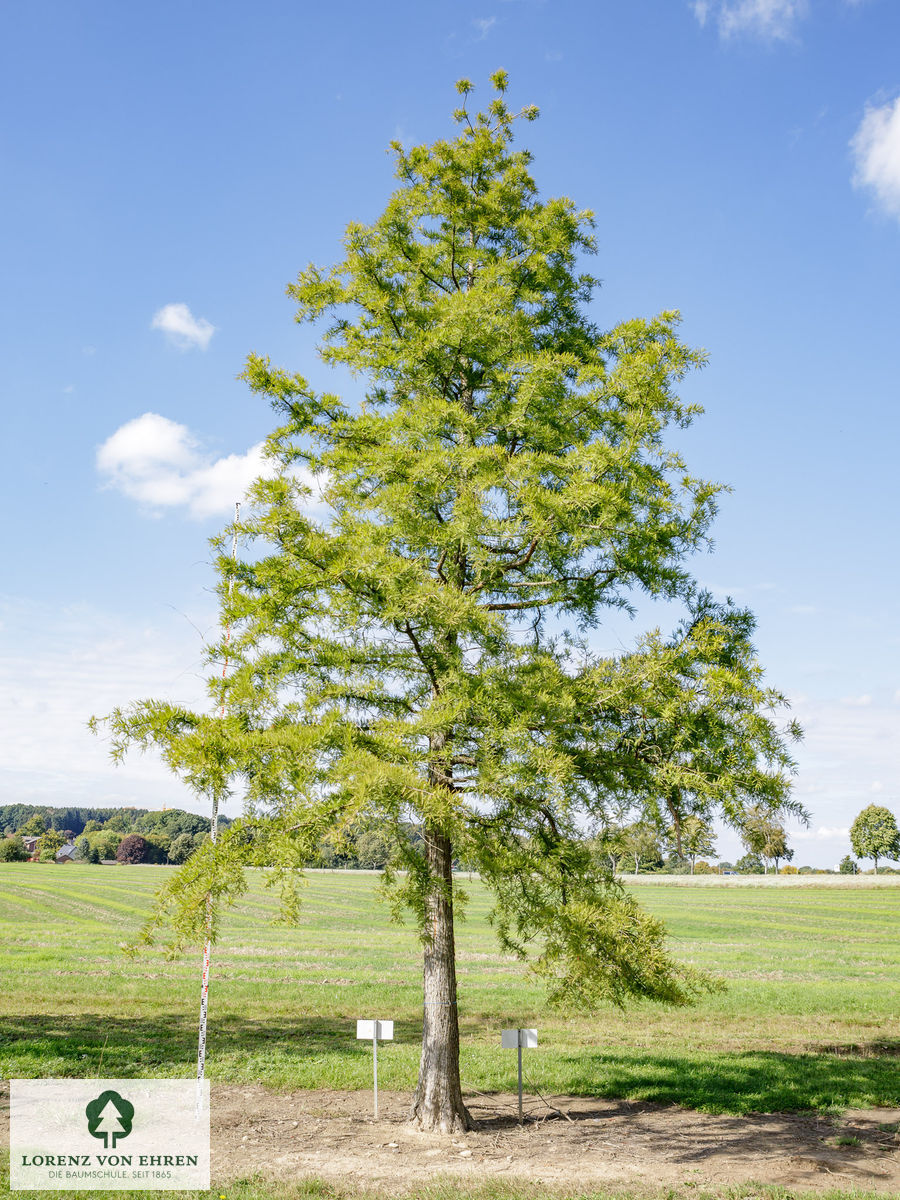
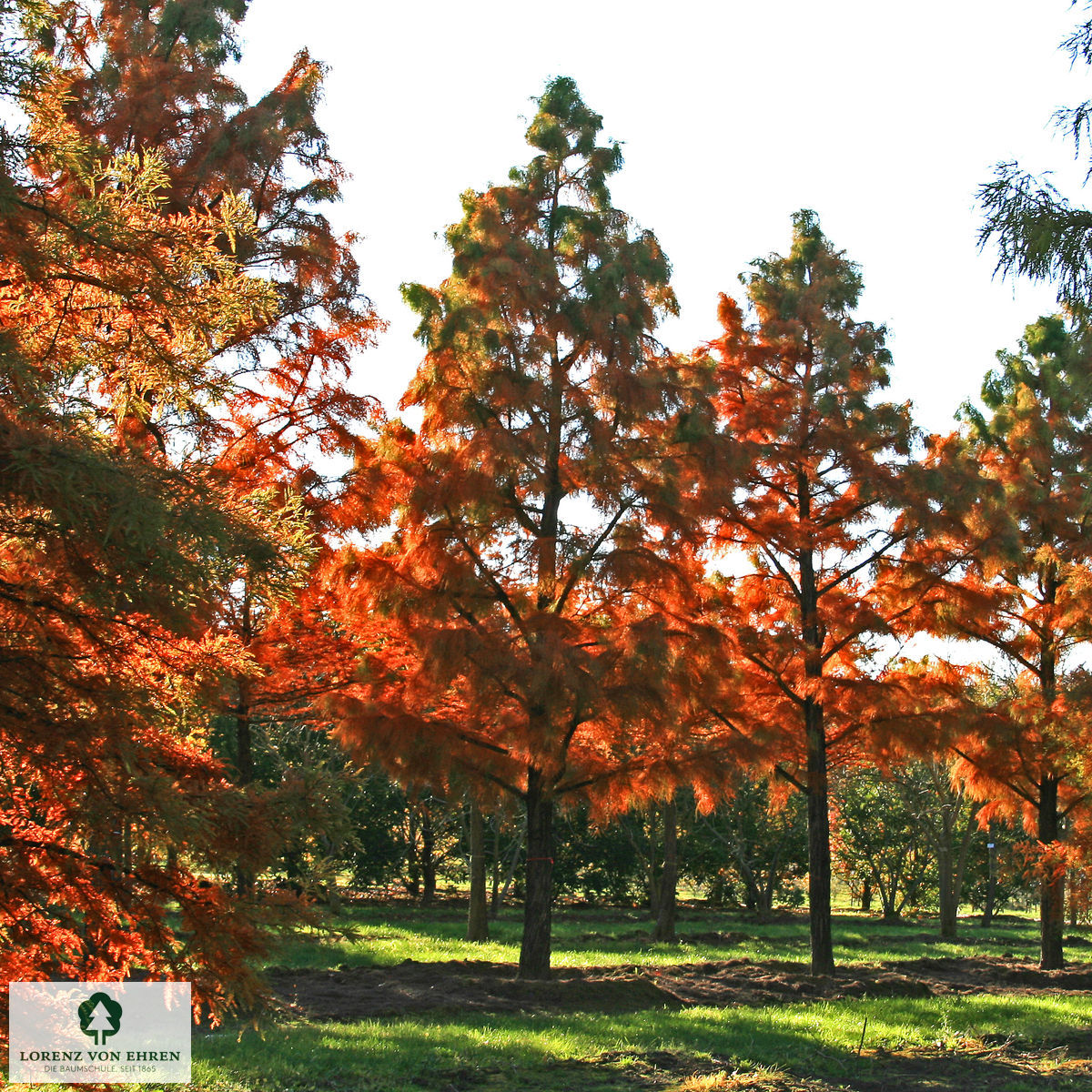
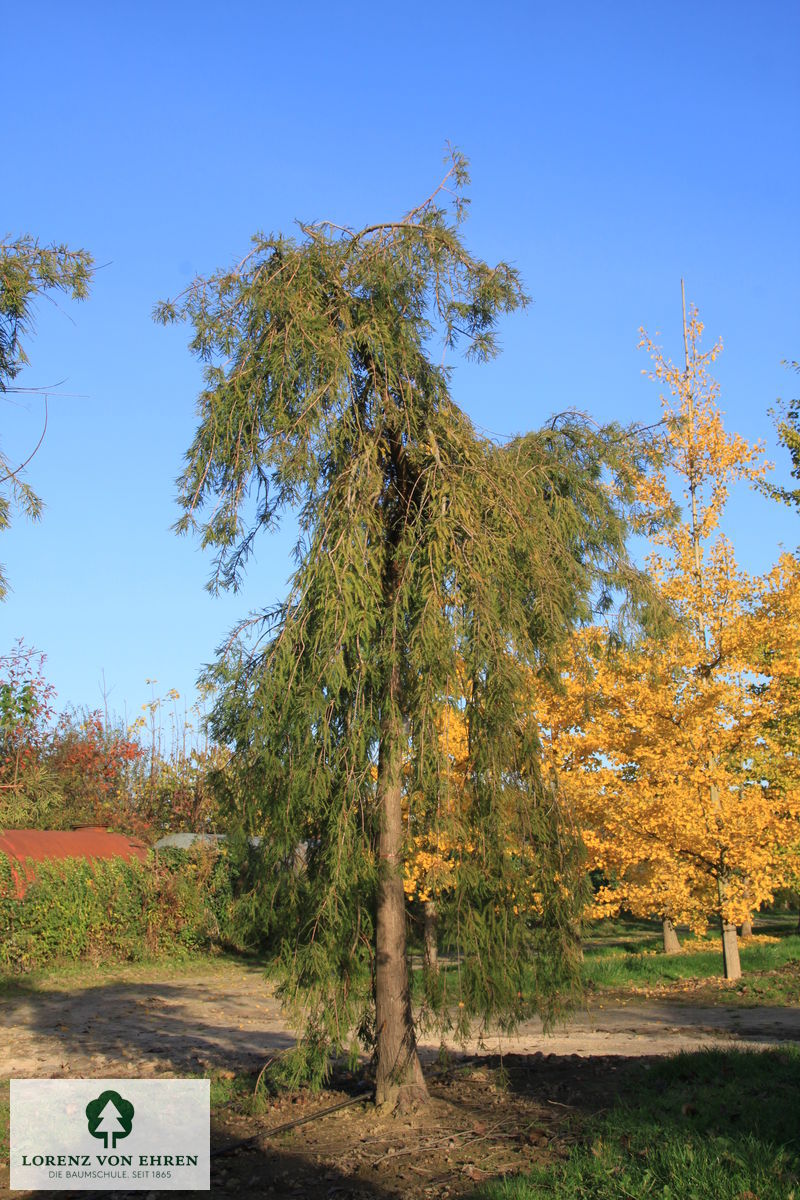
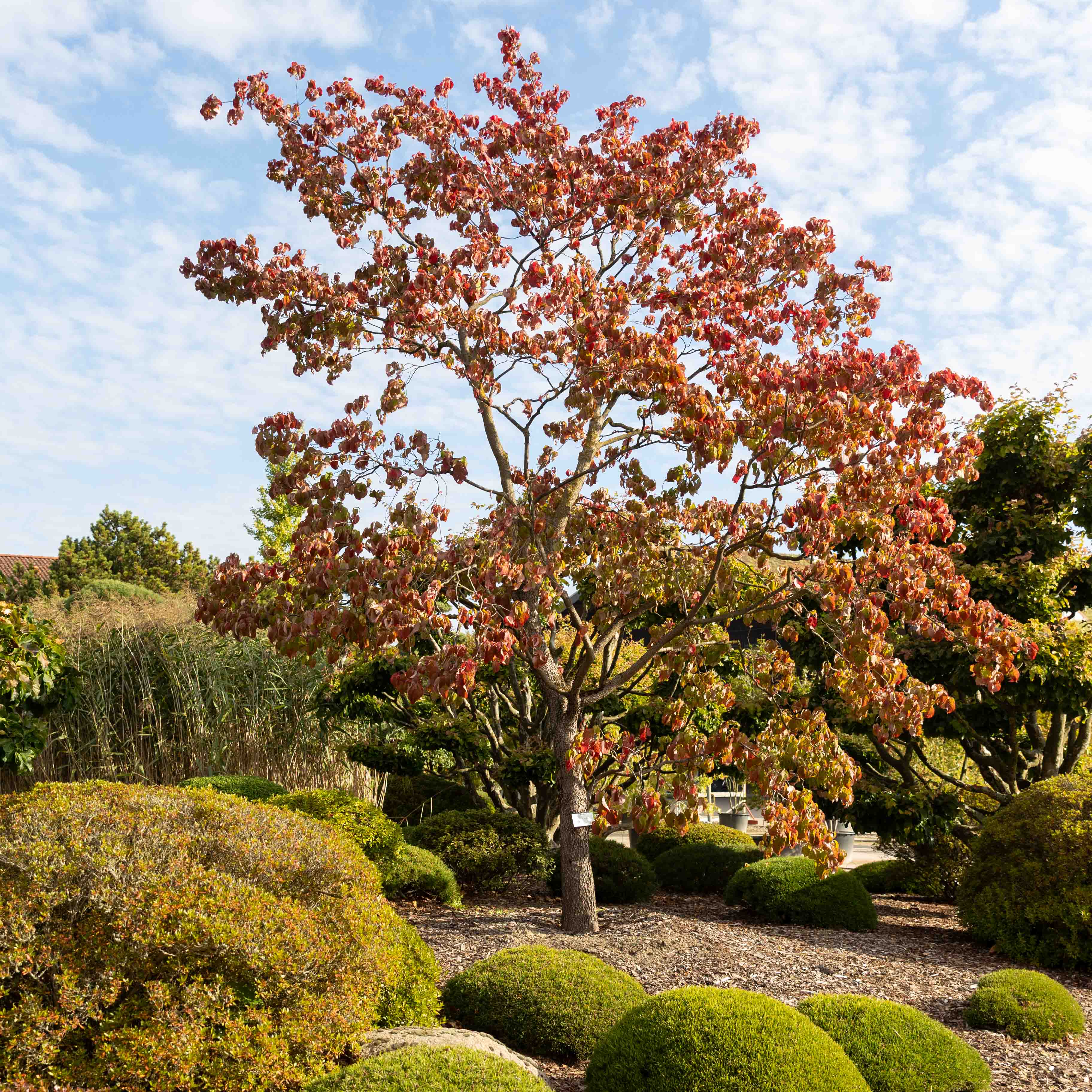
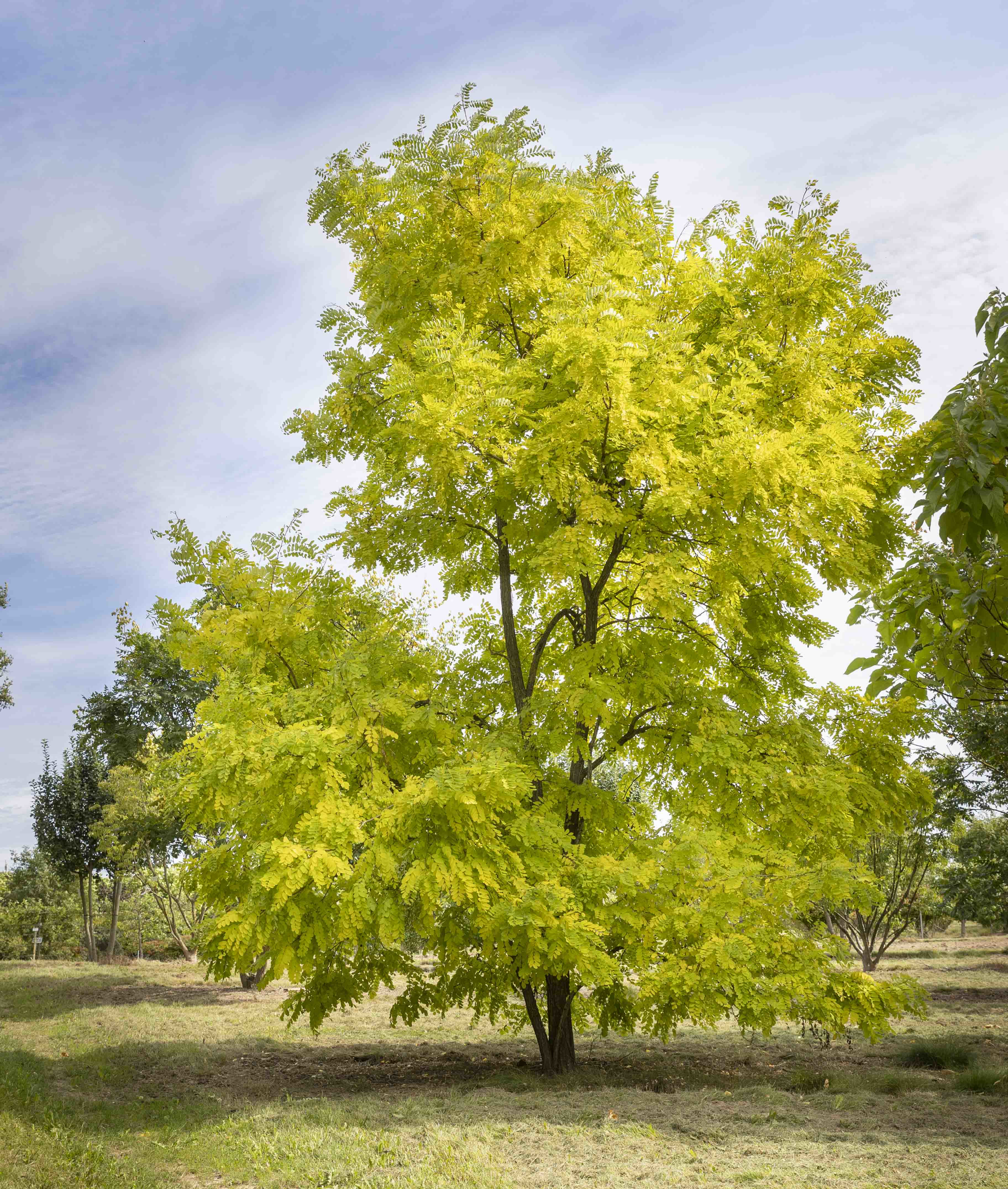
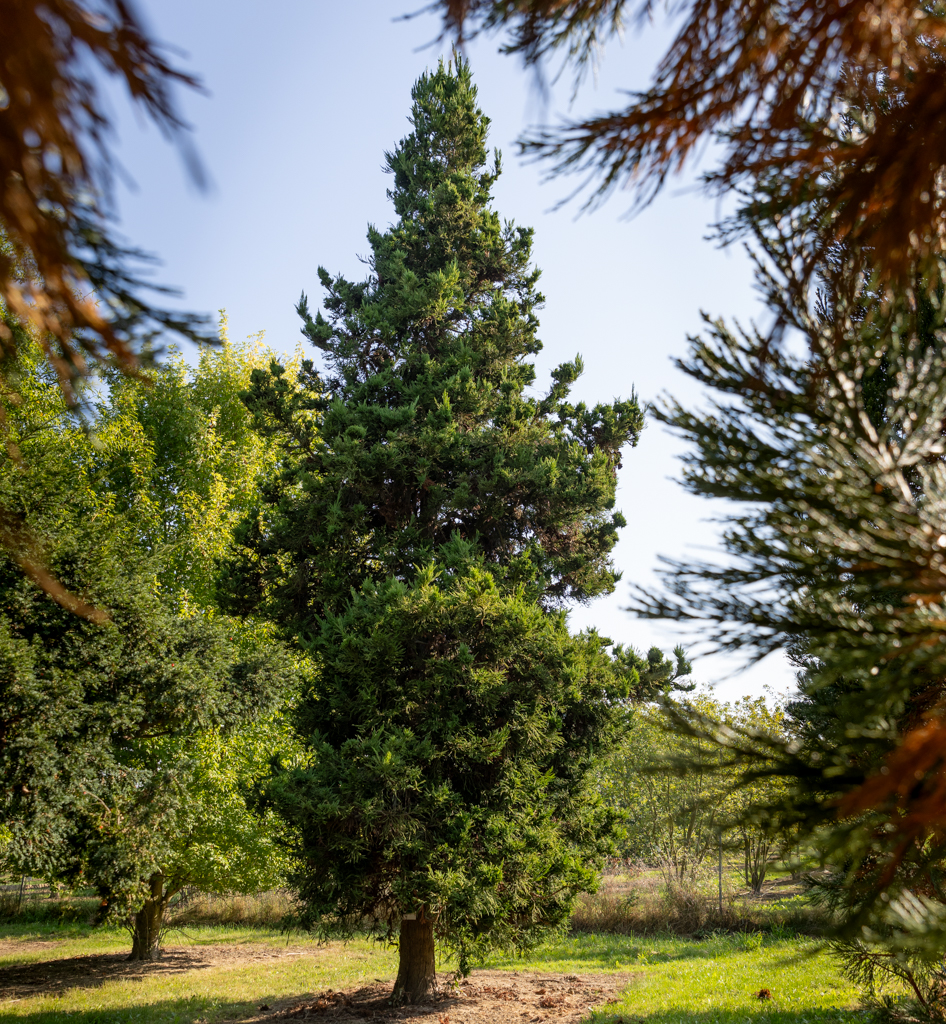
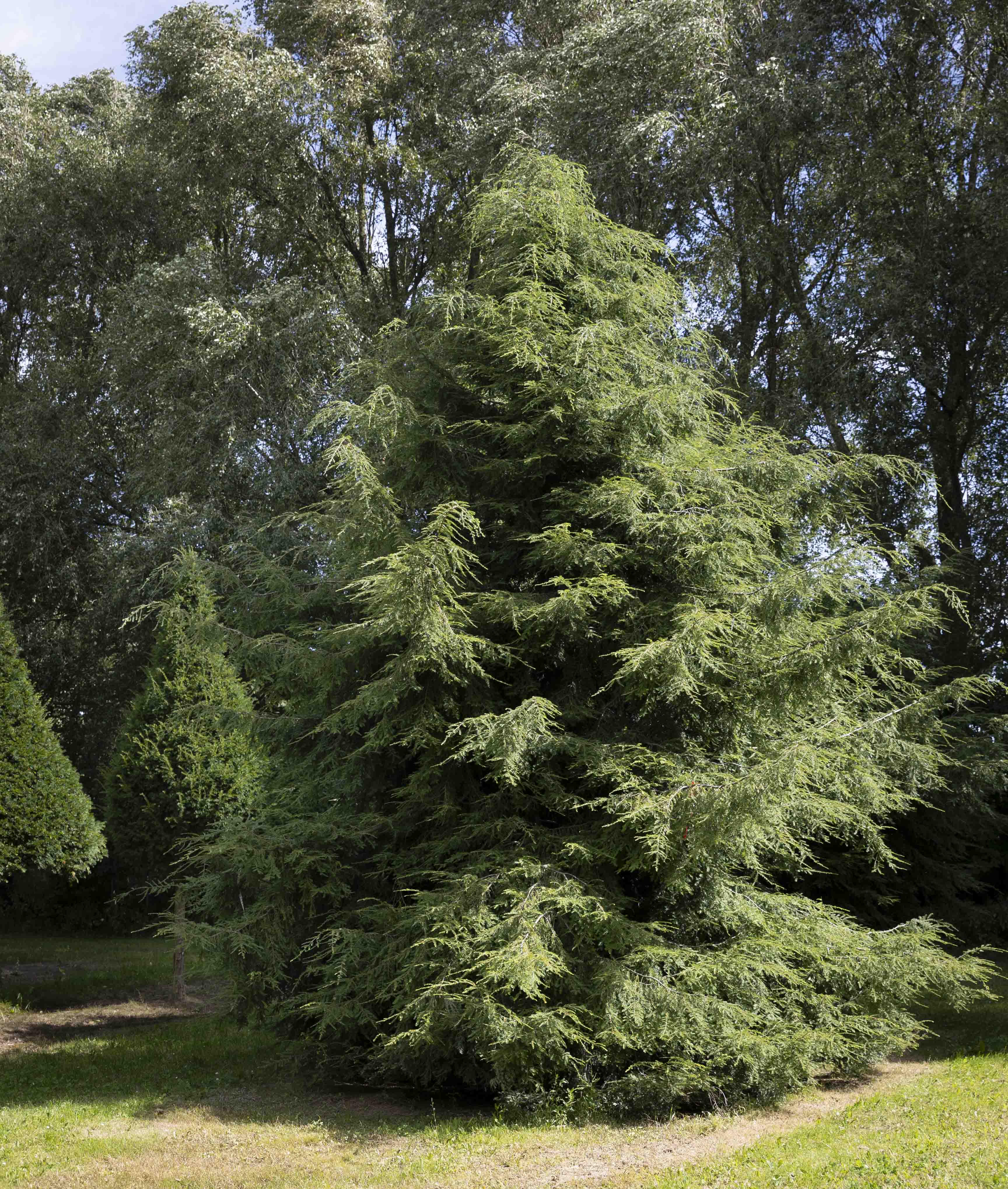
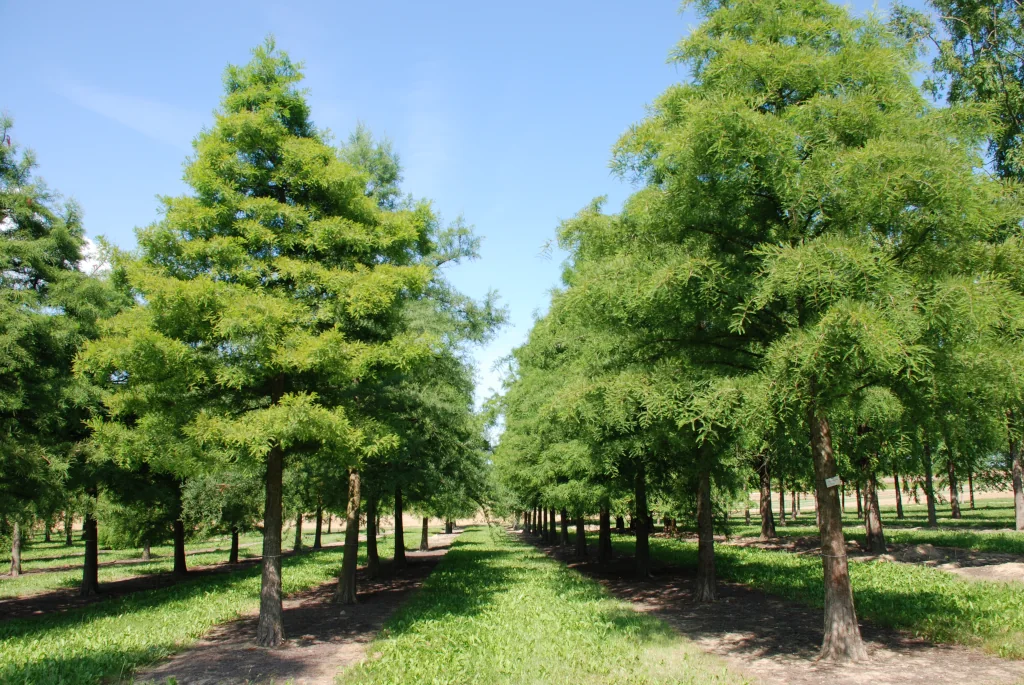
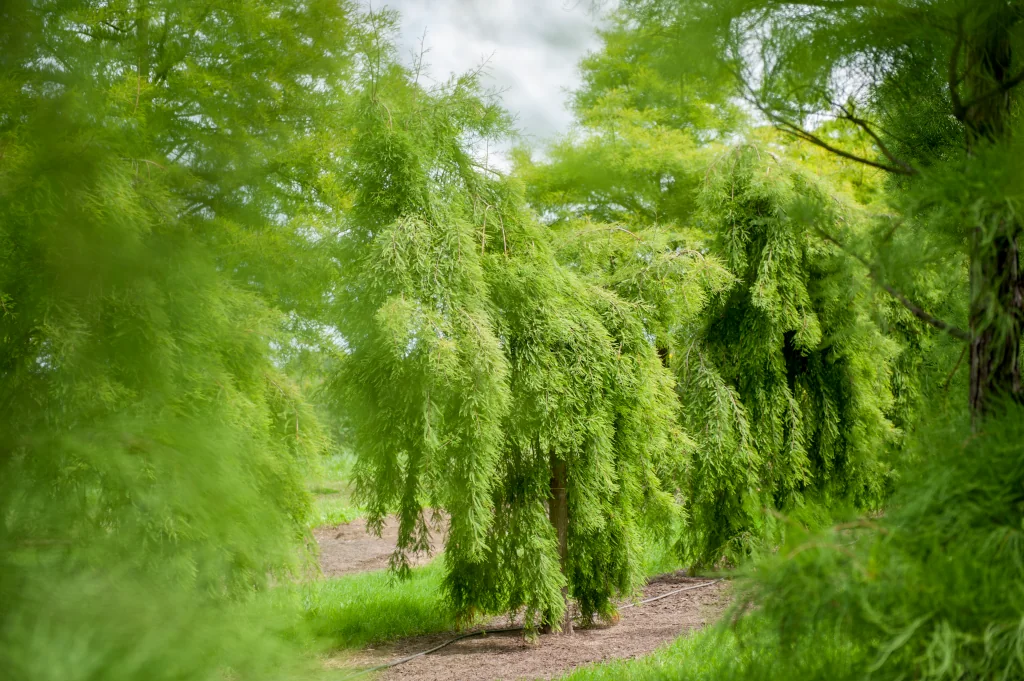
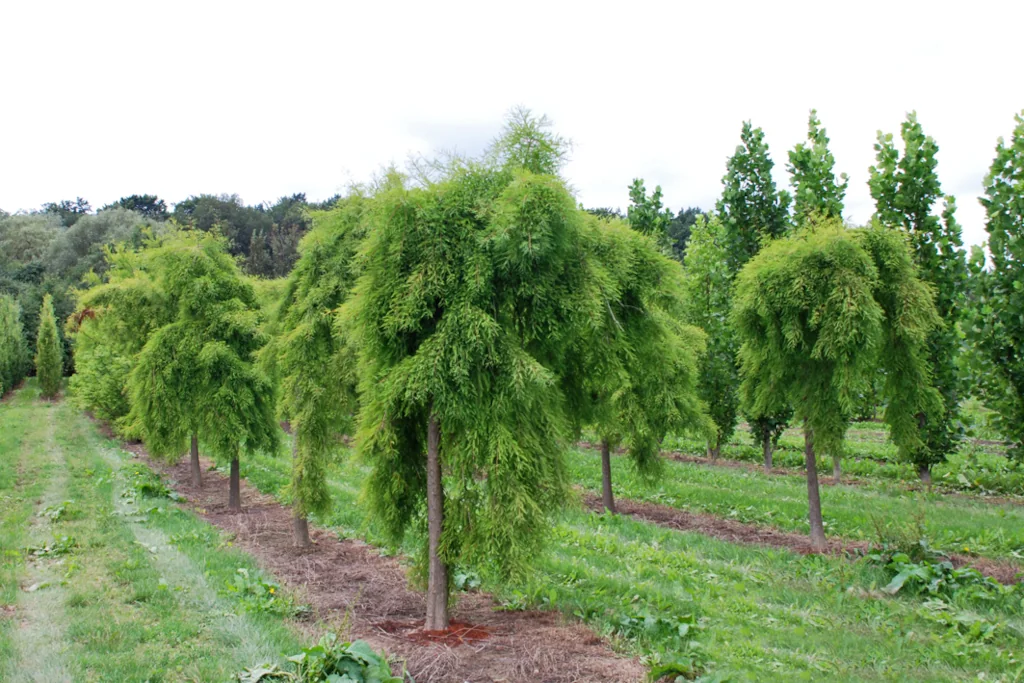
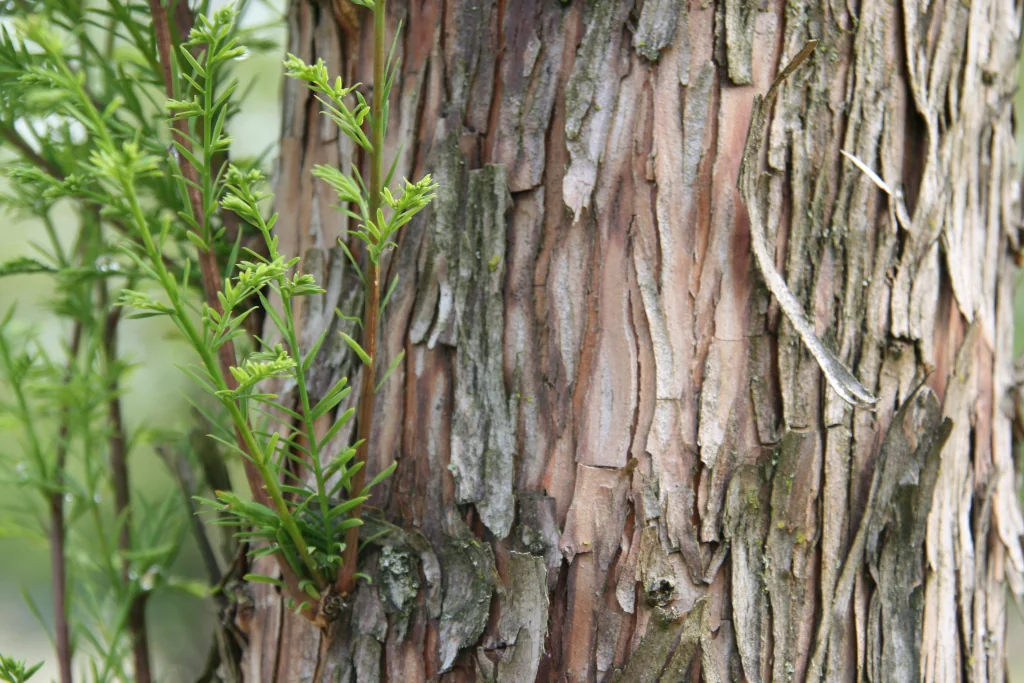
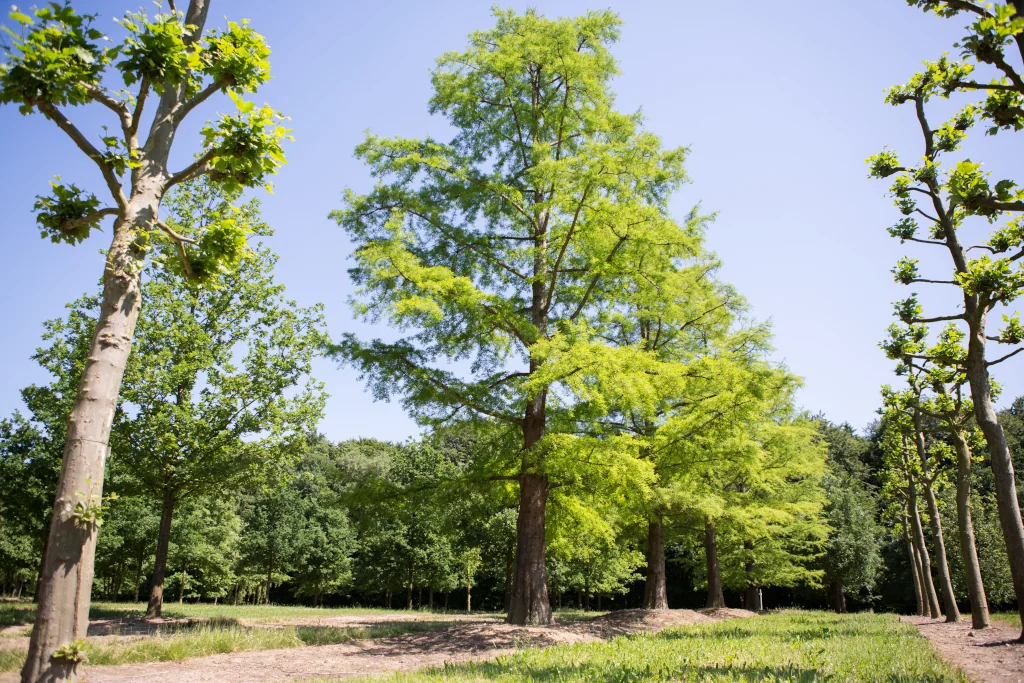
The bald cypress also known as swamp cypress or deciduous cypress is a sparse, picturesque tree that can reach a height of up to 20 metres. This deciduous conifer initially has a broad pyramidal crown, which later becomes semi-open, and impresses with its pale green needles. In autumn, the fine foliage turns orange to reddish-brown late in the season. The decorative, fibrous bark is also red-brown in colour. Taxodiums originally come from the river valleys of North America and thrive near bodies of water on moderately dry to wet soils, even tolerating flooding well. In order to better aerate the roots in swampy terrain and for stabilisation, they form so-called ‘breathing knees’ up to 1 m high, which gives them high wind resistance. They prefer acidic to neutral soils in sunny locations.
The bald cypress (Taxodium distichum) is not only known for its aesthetic appearance, but also for its remarkable ability to adapt to different environmental conditions. In humid areas, it makes a significant contribution to stabilising the soil and provides a habitat for numerous animal species. Its root system, which reaches up to one metre deep into the soil, improves the soil structure and supports water retention. During its flowering period in late spring, the bald cypress develops inconspicuous but ecologically valuable flowers that serve as a food source for numerous insects. Its wood, which is valued for its resistance to decay and insect infestation, is used in a wide range of applications in the construction and furniture industries. Despite its robustness, the bald cypress is a low-maintenance plant that requires little attention, making it a popular choice for gardens and parks.